Where Should You Place a Fan in a Hot Garage?
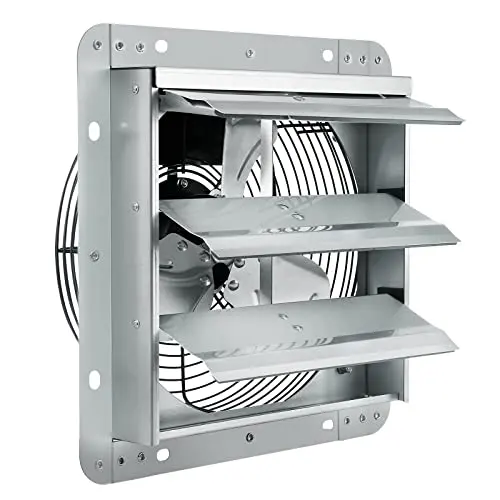
Where Should You Place a Fan in a Hot Garage?
Quick Answer: Place the fan where it can draw relatively cooler, cleaner air and send it through the occupied zone toward a clear destination. For personal comfort, put airflow across the worker. For room air exchange, create separated intake and discharge points. Avoid walls, blocked storage, loose dust, cords in traffic paths, and hazardous work.
Placement often changes the result more than buying a larger fan. A good location gives the inlet open space, aims the outlet through the area people use, and does not interfere with vehicles, doors, shelves, or electrical safety. The best direction can change with outdoor temperature, sun exposure, and whether you need comfort or actual air exchange.
Compare adjustable garage fans on Amazon
At-a-Glance Comparison
| Decision | Best fit | Watch for |
|---|---|---|
| Across a workbench | Focused comfort during stationary work | Loose papers, dust and close-range noise |
| Along a vehicle bay | Longer circulation path | Cars and open doors blocking the stream |
| Near a shaded intake | Bring in favorable outdoor air | Outdoor heat, rain and security |
| At an exterior discharge | Assist air leaving the space | Short-circuiting and lack of makeup air |
Map the Garage Before Moving Air
Draw the garage with vehicles parked, cabinet doors open, stools pulled out, and the overhead door in motion. Mark the main work position, walking routes, windows, exterior doors, receptacles, shelves, and heat sources. Air must travel around those objects, so an empty floor plan is misleading.
Identify the occupied zone first. A fan does not need to sweep every corner to make one bench comfortable. Conversely, a fan pointed directly at a person may provide excellent comfort without improving the hot pocket above a vehicle or behind cabinets. Placement follows the chosen job.
Create an Intake-to-Destination Path
The inlet side needs breathing room. Pushing the rear grille against a wall, box, or hanging tarp can restrict the air the fan can draw. The outlet side needs a clear path through the target zone. Aim across the length of the space when possible rather than directly into a nearby wall.
For circulation, the destination may be the far side of the garage, where air can turn and return around the room. For assisted air exchange, the destination is an exterior opening, with replacement air entering elsewhere. Separate intake and discharge points so the moving air crosses useful space.
Review portable garage fan options
Place for Personal Cooling
At a workbench, aim the stream through the upper body rather than only across the floor or at the ceiling. Set enough distance to avoid an uncomfortable blast and reduce noise at ear level. An adjustable floor fan can aim upward; a wall fan can point down while keeping the floor clear.
Consider what the fan may disturb. Strong airflow can move sanding dust, labels, fasteners, solvent vapor, or spray. Turn the fan off or relocate it when the task makes uncontrolled air movement unsafe or damaging. Comfort placement must yield to the requirements of the work.
Use Doors and Windows With the Weather
An open shaded doorway or window can provide useful intake when outdoor air is cooler than indoor air. In the afternoon, a sun-exposed opening may bring hotter air into the garage. Wind direction can either support or oppose the intended flow, so a fixed recipe does not work every day.
Test a portable fan in two or three positions during the hottest normal hour. If pulling air in feels worse, change to person-level circulation or reverse the path when another opening permits. Protect the fan and electrical connection from rain and damp conditions.
Compare wall and floor fan placement choices
Avoid Short-Circuiting the Airflow
Short-circuiting occurs when incoming air goes directly to the nearby exhaust or discharge point without crossing the room. Two openings side by side can create a small loop that leaves the main work zone hot. Move the intake farther away or aim the circulation fan so the path reaches the occupied area before exiting.
Vehicles and tall storage can also split the stream. Raising a wall fan above a hood may extend reach, while a floor fan can sometimes direct air beneath or around an obstruction. Confirm that the chosen path still works after the car returns.
Protect Clearances, Cords, and Controls
Keep portable fans stable on a level surface outside tire paths and door swing. Route cords where people will not step on them and vehicles cannot crush them. Keep them away from water, hot surfaces, sharp edges, and moving garage-door hardware.
A wall-mounted fan needs structural support and clearance for its full tilt and oscillation range. Place controls where they can be reached without climbing or reaching near moving blades. Follow the mounting and electrical instructions; use qualified help for permanent wiring or uncertain structural work.
Check garage fans with useful speed control
Handle Upper-Level Heat Realistically
Warm air can collect near the ceiling, especially in a tall or poorly insulated garage. A high fan can help mix that layer, but mixing is not the same as removing heat. If the objective is exhaust, a suitable high discharge point combined with lower replacement air may be useful when the complete system is designed for it.
Do not aim a powerful fan into ceiling storage, loose insulation, or dusty rafters. Check conflicts with lights, openers, tracks, racks, and tall doors before choosing an overhead or high-wall position.
Recheck Placement as the Garage Changes
Seasonal storage, a second vehicle, a new cabinet, or a moved workbench can break an airflow path that once worked. Reassess the placement whenever the layout changes. Portable fans make this easy; fixed fans may need their tilt or oscillation limits adjusted.
Clean guards and blades as directed because buildup reduces performance. Preserve access around the fan rather than packing storage up to the inlet. A location that cannot be maintained is not a durable solution.
Fit the Fan Into the Working Garage
Coordinate airflow with the rest of the workspace: browse Garage Fans, keep workbenches and shop stools in the useful air path, and avoid creating conflicts with garage lighting, electric garage heaters, or garage floor mats. The broader Garage Equipment & Car Care hub and Garage Products catalog connect the surrounding workshop categories.
Continue the Garage Airflow Series
- Fan sizing
- Wall-mount versus floor fans
- Fans for a two-car garage
- Circulation fans versus exhaust fans
Browse fans for garage placement
Placement Mistakes That Waste Airflow
A common mistake is placing the fan flush against a wall or a pile of boxes, starving its inlet. Another is aiming a powerful stream into the nearest solid surface, where it turns into a small turbulent loop. Keep the intake clear and give the discharge a purposeful route through the occupied area.
Do not assume higher is always better. Warm air can collect near the ceiling, but a high fan may never reach the person at the bench. Likewise, a fan on the floor may be blocked by a vehicle. Check the actual tilt and reach. Avoid using loose paper, sanding dust, paint mist, or small parts as airflow indicators; a ribbon or other safe, controlled visual check can show direction without scattering project material. Recheck the position after every major layout change.
Pre-Purchase Checklist
- Identify the occupied zone and primary airflow job.
- Map vehicles, door swing, windows, storage, outlets, and overhead equipment.
- Give the inlet open space and the outlet a clear route.
- Use separated intake and discharge points for air exchange.
- Keep cords, bases, controls, and moving parts out of traffic paths.
- Reevaluate direction when weather, projects, or the garage layout changes.
Frequently Asked Questions
Should a fan blow into or out of a hot garage?
It depends on outdoor conditions and the goal. Bring air in when it is cooler and cleaner outside, or use a separated intake-to-discharge path for exchange. If outdoor air is hotter, direct indoor airflow across the occupied zone for comfort.
Is the doorway always the best fan location?
No. A doorway can provide a useful opening, but a fan there may block traffic, interfere with closing the door, face unfavorable wind, or create a short airflow loop.
How far should a fan be from the workbench?
Use enough distance for a comfortable, useful stream without excessive noise or a harsh draft. The right distance depends on fan design, speed, angle, and the work being performed.
Should a wall fan be mounted high?
High mounting can clear obstacles and move upper air, but it may miss the person-level zone. Check the full angle, reach, mounting support, and maintenance access before fixing the height.
Can a fan safely clear paint or gasoline fumes?
Do not rely on an ordinary fan for flammable vapor or hazardous contaminants. Eliminate ignition and exposure hazards, follow product and material instructions, and use properly rated ventilation and qualified guidance.
Final Verdict
Place a garage fan to serve one defined path: through the person, along the occupied bay, or from a separated intake toward an exterior discharge. Give both sides of the fan clear space, keep cords and moving parts out of traffic, and test the location under the actual hot-weather conditions. Repositioning a well-chosen fan can deliver more benefit than buying a larger unit for a blocked corner.
Before fixing the position, use the Garage Ventilation and Fan Selection Guide to define the airflow job, intake and exhaust path, make-up air, environmental limits, controls, and maintenance plan.