Best Garage Fans for a 2-Car Garage: Sizing and Placement Guide
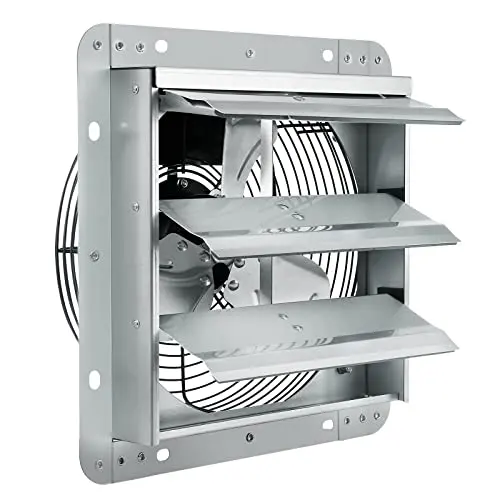
Best Garage Fans for a 2-Car Garage: Sizing and Placement Guide
Quick Answer: For a two-car garage, choose by zones and purpose rather than the label “two-car.” One adjustable portable or wall fan may handle a single occupied bench; two smaller fans may cover separate bays; an exhaust fan serves air exchange. Measure room volume, obstacles, openings, airflow distance, noise, and electrical locations before deciding.
Two-car garages vary widely in ceiling height, door layout, insulation, sunlight, parked vehicles, storage, and work zones. A fan selected from floor area alone can be too loud near the bench yet still fail to reach the second bay. A zone plan helps determine whether one fan, two coordinated fans, or a dedicated exhaust arrangement is the practical answer.
Compare fans for two-car garages on Amazon
At-a-Glance Comparison
| Decision | Best fit | Watch for |
|---|---|---|
| One movable fan | One occupied zone at a time | Setup time and cord routing |
| One wall fan | Permanent bench or shared central path | Coverage behind vehicles |
| Two smaller fans | Two separate active zones | Competing streams and extra outlets |
| Exhaust fan | Removing hot indoor air outdoors | Makeup air and installation |
Divide the Garage Into Real Zones
Mark each vehicle bay, the primary bench, storage walls, door openings, exercise equipment, and any area used for drying or detailing. Then identify where people remain for more than a few minutes. Those occupied zones deserve priority over empty corners.
A nominal two-car footprint does not reveal how the space functions. One vehicle may stay parked while the other bay is a workshop. Both bays may be occupied only at night. The fan plan should match the common arrangement rather than the garage’s marketing label.
Measure Room Volume and Obstructions
Record length, width, and ceiling height. Tall ceilings increase volume and can collect warmer air above the occupied level. Vehicles, cabinet banks, shelving, partitions, and an open overhead door can redirect or block the fan stream.
Stand at the proposed fan location and trace a clear route to the work zone. If a vehicle blocks it, consider a higher wall position, a portable unit placed beyond the vehicle, or a second fan for the isolated bay. Never assume maximum CFM will overcome a solid obstruction.
Review adjustable fans for two-car garages
When One Fan Is Enough
One fan is often enough when only one zone is occupied at a time. A portable floor or pedestal fan can move from the bench to the vehicle bay. A wall fan can serve a fixed central bench if its tilt and oscillation reach the expected positions.
Start with the smallest practical system that creates useful airflow. A single fan means one cord, one control set, less storage, and less competing noise. Test placement before adding equipment; better direction may solve what initially looks like insufficient size.
When Two Fans Make Sense
Two fans can be useful when people work in separate bays, tall storage splits the room, or the desired path needs a relay around a major obstruction. One fan can draw air into the space while another continues the flow toward the occupied zone or a discharge opening.
Do not point two strong streams directly against each other. Give them a shared direction or separate service zones. Confirm that outlets and circuits are appropriate, cords remain out of traffic, and the combined noise is acceptable.
Compare broad-airflow garage fans
Portable, Wall, Pedestal, or Drum
A portable floor fan offers the most flexibility. A pedestal raises airflow to body level but uses more floor area. A wall fan protects traffic lanes and creates a consistent path. A drum fan may move broad volumes of air for short-duration cooling or drying but can be large and loud near a workbench.
Choose type after locating the fan, not before. The same model can be useful at the open door and ineffective behind a parked vehicle. Compare handles, wheels, bases, brackets, tilt, oscillation, speed range, and cleaning access.
Place for Comfort Versus Air Exchange
For personal comfort, aim moving air through the occupied zone. For whole-room circulation, send air along a long, open path and reduce dead pockets around storage. For air exchange, indoor air must leave through an exterior discharge while replacement air enters from a separated opening.
A portable fan near an open door may assist exchange when outdoor conditions cooperate, but it is not the same as a properly installed exhaust fan. Sun, outdoor temperature, wind, and opening locations affect the result.
Check current fan sizes and controls
Plan for Noise and Control
Two-car garages often combine quiet tasks with power tools. Maximum airflow may be welcome during cleanup but intolerable during detailed bench work. Multiple speeds let one fan serve both periods. Consider control location, remote operation when provided, and how noise changes with distance.
Published sound values are useful only when measurement methods and distances are comparable. When data is limited, prioritize speed range and the ability to place a larger fan farther from the user while retaining useful reach.
Respect Electrical and Environmental Limits
Use the fan according to its nameplate and instructions. Keep cords away from tires, doors, wet floors, sharp edges, and hot equipment. Wall installations need correct structural support, clearance, and electrical routing. General-purpose fans are not automatically rated for wet, dusty, corrosive, or hazardous locations.
An ordinary fan is not a remedy for vehicle exhaust, flammable vapor, hazardous dust, or dangerous fumes. Prevent the source, never idle a vehicle in a closed garage, and use suitable ventilation and professional guidance for hazardous conditions.
Make the Plan Seasonal
In cooler evening conditions, bringing outdoor air through a shaded opening may help. During a hot afternoon, focused airflow across a person may be more useful than drawing hotter outdoor air inside. In winter, the fan may be stored or used only for brief circulation.
Leave room for future changes. A portable unit offers adaptability, while a wall fan requires the work zone to remain stable. Clean blades and guards as directed before seasonal storage or restart.
Fit the Fan Into the Working Garage
Coordinate airflow with the rest of the workspace: browse Garage Fans, keep workbenches and shop stools in the useful air path, and avoid creating conflicts with garage lighting, electric garage heaters, or garage floor mats. The broader Garage Equipment & Car Care hub and Garage Products catalog connect the surrounding workshop categories.
Continue the Garage Airflow Series
- Fan sizing
- Hot-garage fan placement
- Wall-mount versus floor fans
- Circulation fans versus exhaust fans
Browse additional two-car garage fan options
Example Two-Car Layouts
In a side-by-side garage with one permanent workbench on the back wall, a wall fan above or beside the bench may serve the occupied zone without sending air through both vehicle bays. In a tandem or deep garage, a portable fan aimed along the long dimension can establish a more useful path than a central fan aimed across the narrow width.
If the second bay is an open project area, one movable floor fan may cover detailing, workouts, and drying at different times. If two people regularly work in separate bays, two moderate fans with independent controls can avoid an excessive central blast. When the garage has a high window opposite a lower door, a properly planned exhaust-and-intake arrangement may help remove warm air under favorable outdoor conditions. Each layout begins with obstacles and use patterns, not an arbitrary product size.
Pre-Purchase Checklist
- Map the two bays, occupied zones, storage barriers, openings, and outlets.
- Measure room volume and the distance of each proposed airflow path.
- Start with one fan when only one zone is active at a time.
- Use two fans only for separated zones or a deliberate shared path.
- Compare speed range, reach, noise, portability, mounting, and maintenance.
- Separate circulation from true exhaust ventilation and hazardous-air control.
Frequently Asked Questions
What fan size is best for a two-car garage?
There is no universal diameter or CFM. Choose from the occupied zones, ceiling height, obstacles, distance, desired airflow breadth, speed range, and whether the job is comfort, circulation, drying, or exhaust.
Are two fans better than one large fan?
Two fans can serve separate bays or route air around obstructions. One well-placed adjustable fan is simpler when only one area is occupied. Compare layout and noise before multiplying equipment.
Where should a fan go between two garage bays?
A central location can work if the stream reaches the occupied zone without being blocked by vehicles. Test a floor position, higher wall position, or diagonal path with the normal garage setup.
Can I exhaust hot air through the open garage door?
A portable fan may assist air movement through an open door when replacement air and outdoor conditions are favorable. It is not equivalent to a designed exhaust system, and the doorway must remain safe and unobstructed.
Does a ceiling fan solve a hot two-car garage?
It can support circulation without using floor space, but it may not remove heat or provide focused airflow. Check clearance from doors, openers, lights, racks, and tall vehicles.
Final Verdict
The best fan arrangement for a two-car garage starts with zones, not a generic size chart. Use one adjustable fan when one area is occupied at a time, consider two coordinated fans for genuinely separate bays or blocked paths, and choose a purpose-built exhaust installation when the goal is outdoor discharge. Measure with vehicles and storage in place, protect cords and clearances, and select a speed range you will actually use.
Use the Garage Ventilation and Fan Selection Guide to connect the two-car layout with circulation, air exchange, make-up air, installed resistance, mounting, controls, and safety boundaries.