Extension Cord and Reel Capacity Guide: Amps, Gauge, Length, and Safety
Quick Answer: Size an extension cord or powered reel from the equipment nameplate, then verify the complete path: supply voltage, equipment amperage, cord conductor size, total cord length, plug and receptacle rating, reel rating, wound or unwound limit, environmental rating, and the equipment manufacturer’s instructions. The usable capacity is never higher than the lowest-rated component. Do not treat “heavy duty,” outlet count, or a breaker button as proof that a reel can run a particular tool.
A garage power setup often fails at an interface rather than at the most obvious component. A tool may have an adequate branch circuit yet be connected through a long undersized cord. A reel may use a robust housing but carry a lower rating while cable remains on the drum. A three-outlet head may accept several plugs even though all outlets share one total limit. This guide turns those moving parts into a repeatable capacity check for garage users choosing a cord, reel, or storage-only organizer.
This is editorial planning guidance, not a replacement for an electrician, product manual, listing information, or local electrical requirements. My Garage Products is a discovery site; the manufacturer and marketplace seller supply current specifications, availability, warranty, shipping, and return terms.
Start With the Five Parts of the Power Path
Do not size the cord in isolation. Trace power from the wall receptacle to the equipment and write down the rating at each stage. The path normally includes the branch circuit and receptacle, the reel’s inlet lead or plug, the cable on the reel, the reel’s outlet or outlet block, and the connected tool or appliance. An adapter, splitter, power strip, extra extension cord, or temporary connector adds another interface and another limit.
Use the lowest applicable rating as the ceiling. A 15-amp receptacle does not make every cord plugged into it a 15-amp cord. A 15-amp reel does not make a tool suitable for extension-cord use. A 20-amp circuit does not authorize a 15-amp attachment device to carry more than its marked limit. The overcurrent device protects the circuit under defined conditions; it is not a substitute for matching each portable component to its load.
| Checkpoint | What to record | Reason to reject a candidate |
|---|---|---|
| Connected equipment | Nameplate voltage and amperage, duty, motor or heating load, extension-cord restrictions | The manual prohibits extension-cord use or the required load is unclear |
| Cord or reel cable | Conductor count and gauge, total length, jacket and environmental designation | Gauge, length, or location rating is missing from the product documentation |
| Reel assembly | Overall voltage and amp rating, wound and extended limits, thermal protection | The seller highlights the cable but omits the complete reel rating |
| Connections | Plug, receptacle, grounding, outlet count, strain relief, fit | Loose fit, damaged pins, improvised adapters, or altered grounding |
| Work area | Dry, damp, wet, indoor, outdoor, traffic, temperature, and mounting conditions | The product is not approved for the actual location or installation |
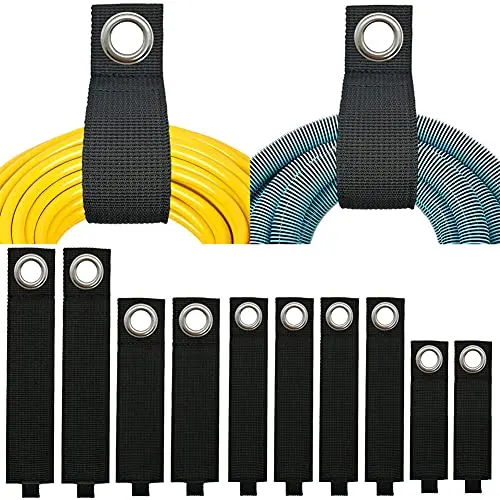
Use the Extension Cord Reels collection to compare powered reels with holders, hooks, straps, and wraps. A storage organizer does not carry electrical load, so it may be the better answer when you already own several correctly sized cords.
Read the Equipment Nameplate Before Calculating
The equipment manufacturer gets the first word. Find the exact model’s nameplate and instructions. Record voltage and amperage, and note whether the load is a motor, heating element, battery charger, light, or electronic device. If the instructions specify a minimum conductor size, maximum cord length, grounded connection, dedicated receptacle, or no-extension-cord rule, that direction outranks a generic chart.
Amperage is the most direct comparison when both the tool and reel publish it at the same voltage. Wattage can help explain a simple resistive load, but the familiar relationship—watts equal volts multiplied by amps—is not a complete motor-sizing method. Motor starting current, power factor, control electronics, and duty cycle can make a running-watt estimate an unreliable buying shortcut. Use calculations to identify questions, not to override a nameplate or manual.
When several devices share one outlet head, add the loads that can operate at the same time and compare the total with the reel’s complete rating. Do not count receptacles as separate capacity. A three-outlet head is still supplied by one cable. If a tool cycles automatically, include it in the simultaneous-load plan rather than assuming it will remain off while another device runs.
High-draw equipment needs special skepticism. Portable heaters often require direct wall connection; compressors and saws can have motor-start demands; welders and large shop equipment may have dedicated supply requirements. The site’s garage-heater cord and power-strip guide addresses heaters specifically, while the Portable Air Compressors collection provides a path for equipment whose manuals permit an extension setup.
Understand Gauge Without Using a One-Number Shortcut
American Wire Gauge runs opposite to intuition: a smaller AWG number represents a larger conductor. That does not create one universally “best” garage gauge. Capacity depends on the complete listed cord assembly, conductor material, insulation and jacket, length, ambient conditions, number of current-carrying conductors, reel construction, and the load’s instructions.
Length matters because conductors have resistance. A longer run can create more voltage drop and heat than a shorter run carrying the same current. Weak motor performance, difficult starting, dimming, or abnormal cycling can be symptoms of a poor supply path, but they are not diagnostic permission to keep experimenting. Disconnect the setup and verify the requirements.
Compare products at their full supplied cable length. Pulling out only part of a 50-foot reel does not turn it into a different 15-foot cord, and leaving extra cable on the drum may introduce a separate wound-capacity limit. If the planned reach is 24 feet, a cord long enough to route safely may be useful; buying far more length than the job needs can add resistance, storage, and traffic problems without adding capacity.
A useful shortlist therefore begins with documented combinations, not slogans: exact gauge, total length, conductor count, jacket designation, voltage, amp rating, and wound or unwound limits. Current Southwire cord-reel listings, for example, distinguish reels by conductor size, cable type, length, and configuration. That is the level of model detail a shopper should demand from any manufacturer.
Treat Wound and Unwound Ratings as Different Operating Modes
Cable packed on a drum may retain more heat than cable extended through open air. Some powered reels address this with separate ratings for wound and fully extended operation. Others give an instruction to deploy the full cable above a stated load. Do not borrow a rule from a different reel; read the label and manual for the exact model.
If two ratings are published, select the one that matches the way the reel will actually be used. A workbench task that needs only ten feet may still require the remaining cable to be extended if the wound rating is below the load. Plan where that cable can lie without creating a trip, tire, door, or tool hazard. If the required deployment cannot be managed safely, the reel is a poor fit even when its electrical numbers look adequate.
Thermal protection is a backup, not an operating target. Repeatedly resetting a breaker or thermal cutout without identifying the cause can conceal overload, a damaged connection, or unsuitable operating mode. The detailed guide Do Extension Cord Reels Need to Be Fully Unwound? explains how to read the product-specific instructions.
Match the Jacket and Assembly to the Environment
“In a garage” does not always mean dry indoor use. An open door can expose the cable to rain. Snowmelt and washing can wet the floor. Driveway work adds sunlight, temperature swings, abrasion, and vehicle traffic. Choose a complete cord or reel approved for the actual environment rather than assuming a bright color or thick-looking jacket is weather resistant.
Keep energized plugs and connectors out of standing water. Use dry hands for connection and disconnection. Grounding-type equipment requires continuity through a grounding conductor and compatible plug and receptacle; never remove a grounding pin or use an adapter that interrupts grounding. Ground-fault protection and receptacle requirements depend on the location and applicable rules, so verify the garage installation rather than assuming a protective device built into one reel corrects the rest of the path.
OSHA’s 29 CFR 1910.334 workplace rule requires flexible cord sets to be handled without jacket damage, inspected for external defects, removed from service when damage could expose a worker to injury, used with grounding continuity where required, and approved for highly conductive locations. OSHA governs workplaces, not every private home garage, but its inspection and handling principles form a conservative checklist for any workshop.
Do Not Turn Temporary Wiring Into Permanent Wiring
An extension cord or portable reel is a temporary way to bring power to a task. It is not a substitute for adding a properly located receptacle when the same cord remains routed indefinitely. Do not conceal a cord in a wall, ceiling, or floor, run it through a hole, pinch it in a door or window, fasten it with staples, cover it where heat cannot escape, or place it where tires and equipment cross it.
Repeated need is a design signal. If a bench always needs a cord across the walking lane, or the reel’s inlet lead cannot reach a receptacle without another extension, ask a qualified electrician about a permanent solution. Adding a second cord, splitter, or adapter may make the geometry look solved while increasing connections and uncertainty.
Mounting a retractable reel does not make its portable cord part of the building wiring. The bracket, orientation, pull direction, garage-door clearance, and structural attachment still follow the reel manufacturer. See How to Mount an Extension Cord Reel in a Garage before choosing a wall or ceiling location.
Choose the Reel Mechanism After Capacity Is Settled
Retraction style changes convenience, not electrical capacity. A spring-retractable reel can keep cable off the floor and speed cleanup at a fixed bay. A manual crank reel can provide simple control and portability. A portable spool can serve changing work areas. A holder or strap may be the least complicated option for a separate cord.
Evaluate the motion from plug-in to storage. A retractable reel needs a controlled return path, positive locking positions, an accessible cord stop, and a bracket that allows the intended pull. The outlet end should not be released to whip toward the housing. A manual reel should be disconnected and unloaded as instructed before winding. Any reel needs space for inspection, ventilation, and service.
The retractable-versus-manual comparison focuses on mechanism and workflow. If you are unsure whether a powered reel is needed at all, use the reel-versus-regular-cord guide.
Inspect Every Connection Before Use
Start de-energized. Look along the full accessible cable for cuts, crushing, flattened sections, hard kinks, exposed conductors, melted areas, discoloration, swelling, or repairs not permitted by the manufacturer. Check the plug and receptacles for missing or bent pins, cracks, looseness, heat marks, debris, and damaged strain relief. Confirm that the rating label remains readable.
Test the mechanical parts without a connected load. The latch should hold and release as documented. The guide rollers and swivel should move without binding. The cord stop should not slip. The cable should feed without scraping a sharp edge. Mounting fasteners should remain secure in suitable structure.
During use, stop for abnormal warmth, odor, smoke, buzzing, arcing, flicker, repeated tripping, softening insulation, or weak tool performance. Disconnect by gripping the plug rather than pulling the cable. Remove damaged equipment from service instead of taping over the symptom. Repairs involving electrical conductors, grounding, spring mechanisms, or protective devices belong with the manufacturer or qualified service.
Use This Capacity Worksheet
- Name the job: Identify the exact tool or device and whether any other load will operate at the same time.
- Read the equipment instructions: Record voltage, nameplate amps, grounding, duty, and every extension-cord restriction.
- Measure the safe route: Include vertical travel, swing, and connection points while avoiding doors, tires, heat, liquids, and walkways.
- Screen the cable: Verify conductor gauge, count, total length, jacket, and location approval for the full assembly.
- Screen the reel: Compare the complete reel’s wound and extended limits, not only the cable specification.
- Check every interface: Confirm plug and receptacle configuration, grounding continuity, strain relief, and secure fit.
- Plan deployment: Decide where required unwound cable will go and how retraction will be controlled.
- Inspect and monitor: Remove damaged parts from service and stop for heat, odor, arcing, or protective-device operation.
Keep the finished worksheet near the reel or photograph the rating label after installation. Another household member should be able to identify the allowed load without guessing. If the job changes, repeat the worksheet rather than assuming yesterday’s setup covers a different tool.
Reject a Cord or Reel When Any of These Remain Unknown
- The equipment’s extension-cord instructions or nameplate load cannot be found.
- The product omits conductor gauge, length, complete assembly rating, or environmental approval.
- Only a cable rating is published while the plug, outlets, reel, or wound limit is unclear.
- The planned load is higher than any component’s rating or depends on repeatedly resetting protection.
- The route crosses a doorway, tire path, garage-door mechanism, sharp edge, hot surface, or standing water.
- The setup requires a grounding pin to be removed, an incompatible adapter, or another extension cord to reach the source.
- The cable, plug, receptacle, housing, strain relief, latch, spring, bracket, or label is damaged.
- The reel cannot be mounted in an approved orientation or the structure and hardware are uncertain.
- Required unwound cable cannot be placed without creating a new hazard.
For product-format comparisons after these questions are resolved, use Best Extension Cord Reels for Garage and Workshop Use. Keep the surrounding bay usable with stable workbenches and appropriately placed garage lighting.
Frequently Asked Questions
How many amps can an extension cord reel handle?
There is no universal answer. Use the exact reel’s marked rating and manual, including any separate limits for wound and fully extended cable. Then compare that limit with the cord, plug, receptacle, supply circuit, and connected equipment. The lowest applicable rating controls.
Can I size a reel from watts alone?
Not reliably for every load. Watts and voltage can estimate current for a simple resistive load, but motor starting demand, power factor, controls, duty, and manufacturer restrictions can change the decision. Use the equipment nameplate amperage and manual whenever available.
Is 12-gauge always the best extension cord for a garage?
No. A larger conductor can reduce resistance, but the best choice must also match the equipment, length, jacket, location, plug configuration, reel assembly, and operating instructions. A conductor size alone cannot prove that a product fits the job.
Can I run two tools from a three-outlet reel?
Only if simultaneous operation is allowed and their combined load stays within every applicable rating. Three outlets do not provide three separate circuits. Include equipment that cycles automatically and follow each tool’s instructions.
Does a built-in breaker make overloading safe?
No. A breaker or thermal protector is a protective feature, not extra capacity. Repeated operation means the setup needs to be disconnected and evaluated. Never bypass or replace protection with a higher rating.
Should a reel always be fully unwound?
Follow the exact reel’s label and manual. Some publish different wound and extended ratings; some require more cable to be deployed above a stated load. There is no single instruction that safely replaces model-specific documentation.
When is a new receptacle better than a reel?
Consider permanent electrical work when the cord follows the same route continuously, crosses a traffic path, requires another extension to reach the source, or serves a fixed high-demand workstation. A qualified electrician can evaluate the branch circuit, receptacle placement, protection, and local requirements.
Final Verdict
The right extension cord or reel is not the one with the most outlets, the longest cable, or the strongest marketing label. It is the assembly whose documented voltage, amperage, conductor size, length, wound or extended mode, environment, grounding, and mounting conditions match the exact job.
Begin with the equipment manual, measure the route, and reject every candidate with a missing decisive specification. Keep the load below the lowest applicable rating, inspect before use, remove damaged parts from service, and treat repeated trips or heat as a reason to stop. If the same temporary path has become permanent, improve the garage’s fixed power plan rather than adding another cord.
Start with the Extension Cord Reels collection, then return to the Garage Power, Cords & Reels hub to plan the rest of the work zone.