Extension Cord Reels Buying Guide
An extension cord reel should make temporary power easier to deploy without hiding the electrical limits of the cord, reel, receptacle, or connected equipment. The best choice depends on the tool load, required reach, installation location, cord rating, and whether the garage needs a powered reel or simply a safe place to store a loose cord. Product titles often group reels, holders, wraps, and hangers together, but these products perform different jobs.
Powered Reels Versus Cord Storage Organizers
A powered cord reel includes electrical cable, a plug or inlet, and one or more outlets. It may retract with a spring, rewind manually, or operate as a portable spool. Its wire gauge, conductor count, length, voltage, amperage, environmental rating, and wound or unwound load limits must match the intended use.
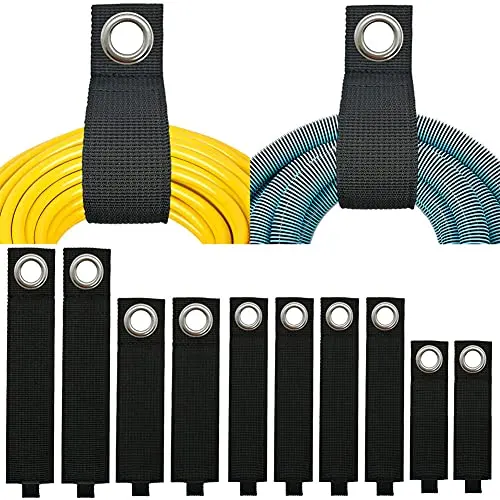
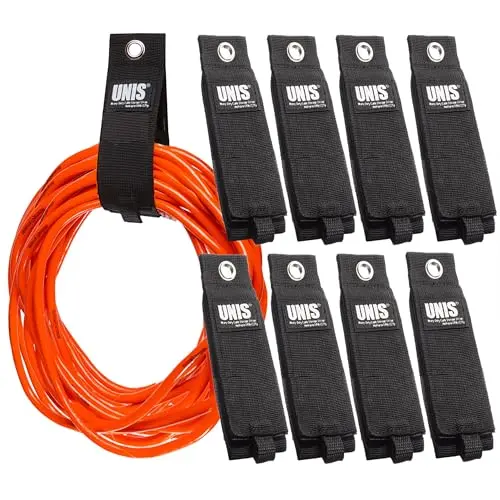
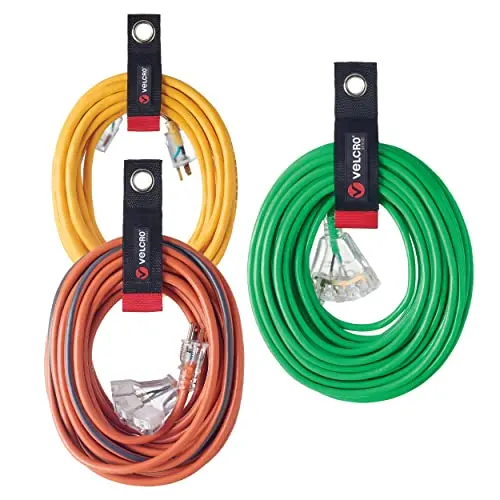
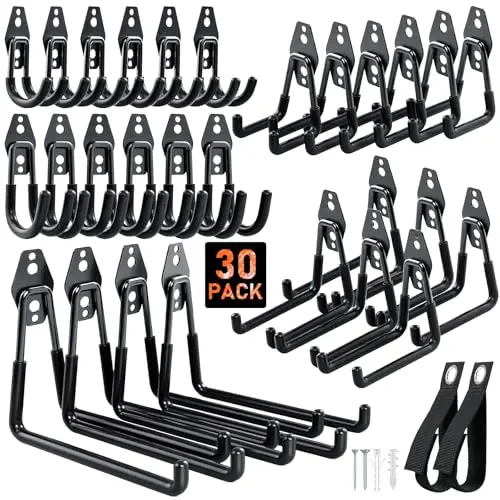
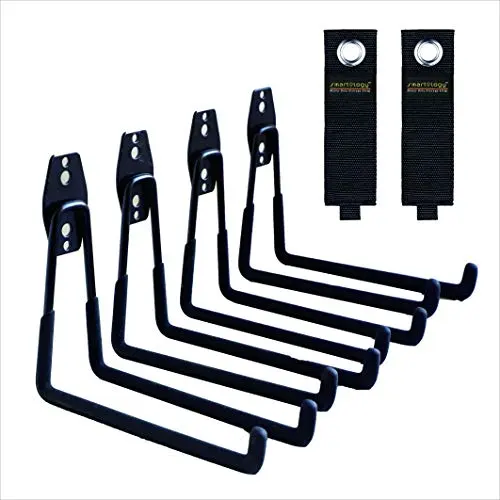
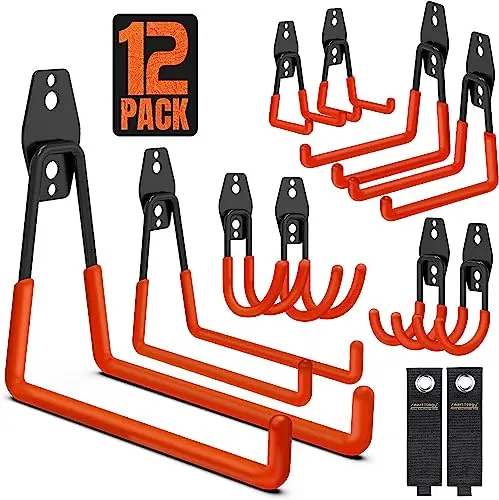
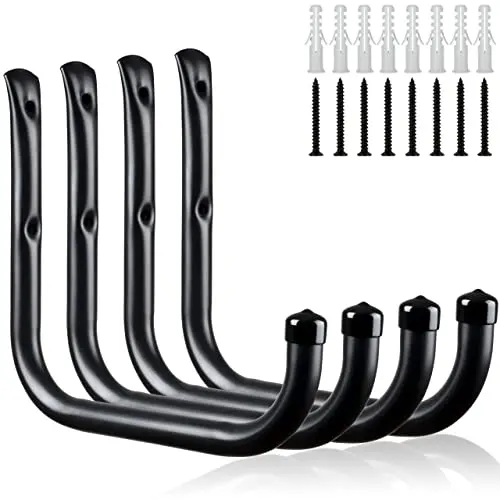
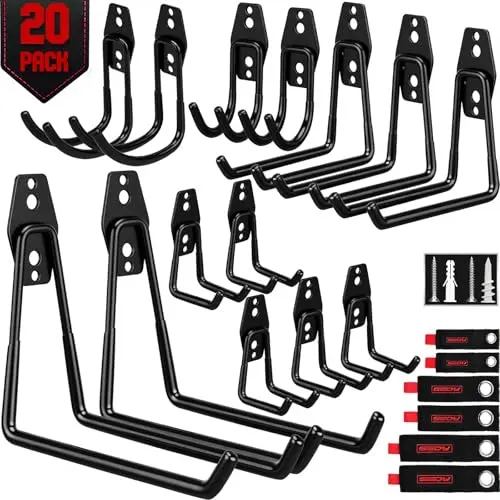
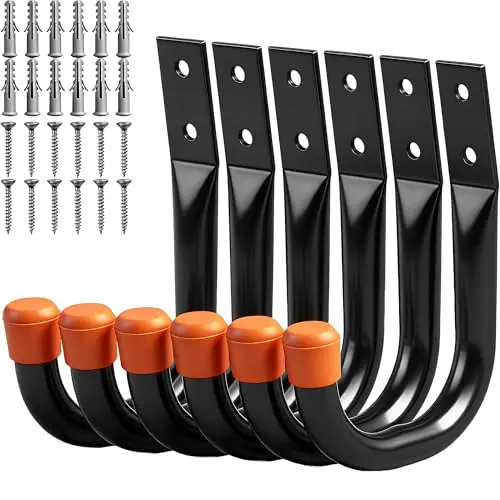
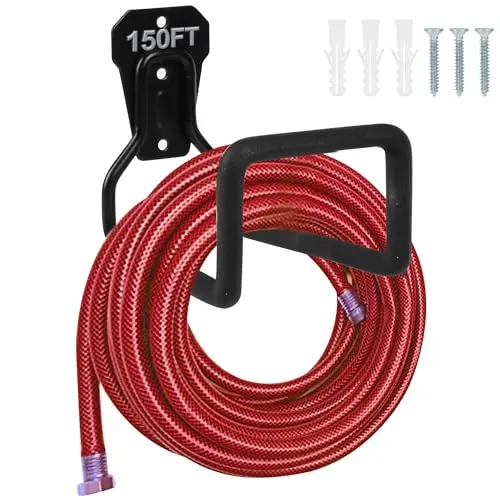
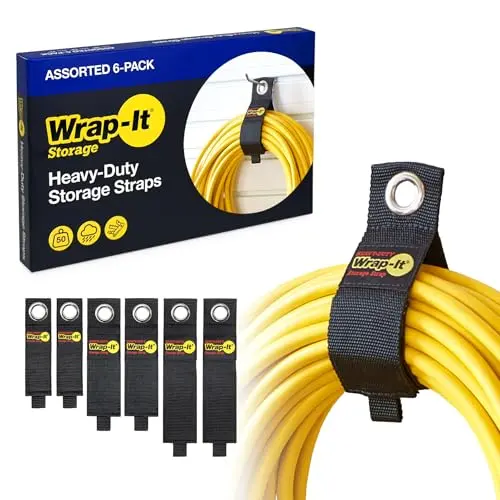
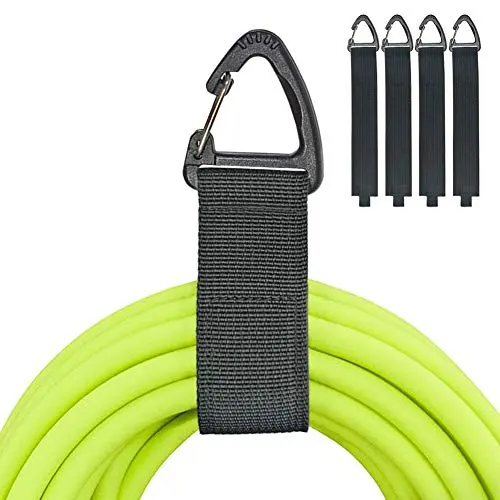
A holder, hook, strap, or wrap does not deliver electricity. It stores a separate extension cord after use and can be the better option when several cord lengths or gauges already serve the garage. Holders should support the cord without sharp bends, crushing, staple damage, or strain at either plug. This collection includes both categories so shoppers can compare complete reels with simpler extension-cord storage.
Start With the Equipment Load
Read the tool or appliance nameplate and instructions before choosing a cord or reel. Compare voltage, amperage, wattage, grounding, duty, and any manufacturer restriction on extension cords. A dramatic “heavy-duty” label is not a substitute for conductor size and a published electrical rating. The connected load cannot exceed the lowest-rated part of the path: receptacle, reel, cord, outlet block, plug, or protective device.
High-draw equipment deserves extra caution. Space heaters, welders, compressors, saws, chargers, and other motor or heating loads can have requirements that differ from their simple wattage labels, including startup current or direct-receptacle instructions. Do not assume a reel is suitable merely because the plug fits. For heater-specific guidance, read Can You Plug a Garage Heater Into an Extension Cord or Power Strip?.
Wire Gauge, Length, and Voltage Drop
In American wire gauge, a smaller gauge number represents a larger conductor. However, gauge should never be selected in isolation. Required capacity depends on length, load, conductor material, temperature, cord construction, and the product’s listed rating. Longer conductors create more resistance and can increase voltage drop, so using more cord than needed may reduce tool performance or add heat.
Compare the reel’s complete electrical label, not only a marketplace headline. Some reels publish separate amperage ratings for fully extended and wound operation. If the label, manual, or protective device sets different limits, follow them. Never alter a plug, defeat a grounding pin, bypass a breaker, or repeatedly reset protection without finding the cause.
Do Cord Reels Need to Be Fully Unwound?
There is no universal answer for every reel. A coiled conductor may retain more heat, which is why some products have lower wound ratings or direct users to extend the cable for heavier loads. Other reels are tested and labeled for specific operation while partially wound. The correct answer comes from the exact reel’s nameplate and instructions, not a general rule copied from another model.
Use the published wound and unwound ratings, stay within the lower applicable limit, and monitor for warm plugs, odor, discoloration, softening, nuisance tripping, or abnormal tool behavior. Disconnect the load if anything seems wrong. Our focused article Do Extension Cord Reels Need to Be Fully Unwound? explains the decision in more detail.
Retractable, Manual, and Portable Designs
Spring-retractable reels emphasize fast deployment and cleanup. A ratcheting mechanism holds the cord at selected lengths, while a controlled pull releases it for rewind. Compare guide-arm adjustment, retraction speed, cord stop, swivel range, latch positions, and whether the manufacturer permits the planned mounting orientation. A strong spring is useful only when rewind remains controlled.
Manual reels use a crank or hand rewind. They can be simple, portable, and easy to understand, although cleanup requires more effort. A portable spool may suit outdoor tasks, temporary work areas, or garages where permanent mounting is undesirable. Reverse-configuration reels place a long inlet lead on the spool and a short outlet at a cart or work station; confirm exactly which end moves before buying.
The article Retractable vs Manual Extension Cord Reels compares convenience, portability, mechanism complexity, and ownership tradeoffs.
Wall and Ceiling Mounting
A mounted reel should place power near the work without sending cable through a vehicle path, garage-door track, sharp edge, doorway pinch point, wet area, or hot surface. Before choosing a location, model the full swing and extension path to the workbench, vehicle, driveway, and tools. Leave access for inspection, reset controls, plug connection, and maintenance.
Mount only in the orientation allowed by the manufacturer and fasten into structure that can support the reel plus the pulling forces created during use. Drywall alone is not automatically adequate. Use the supplied or specified bracket and hardware for the substrate, and follow installation instructions. If new fixed wiring, a new receptacle, or uncertainty about the circuit is involved, use a qualified electrician rather than treating an extension cord as permanent building wiring.
See How to Mount an Extension Cord Reel in a Garage for a placement and installation checklist.
Indoor, Outdoor, and Wet-Location Ratings
A garage is not automatically a dry indoor environment. Open doors, vehicle snow, washing, condensation, and driveway work can expose cords and reels to moisture. Match the product’s environmental rating to the exact location and use. An indoor, non-weather-tight reel should not be treated as outdoor equipment because it hangs near a garage opening.
Where ground-fault protection is required or appropriate, confirm the installation and product configuration with applicable instructions and local requirements. Keep plugs and connections out of standing water, handle energized connections with dry hands, and never improvise covers that trap heat or interfere with retraction.
Outlets, Breakers, and Protective Features
Multiple outlets improve convenience but do not multiply the reel’s total capacity. Add the connected loads and remain within the reel, cord, receptacle, and circuit ratings. A built-in breaker or thermal protector is valuable, but it is not permission to run at the edge of capacity or repeatedly reset a fault.
Useful features can include a lighted outlet, reset button, GFCI protection on an appropriate model, adjustable cord stop, locking positions, guide rollers, and a swivel bracket. Evaluate each feature in the context of the load and environment. Listing or certification information should be verified on the product, packaging, or manufacturer record rather than assumed from a search title.
Extension Cord Holders, Straps, and Hooks
Loose extension cords should be stored in broad, relaxed loops that avoid kinks and tight bends. Hook-and-loop straps, padded holders, and wide hooks can keep coils together without forcing the cord jacket over a narrow metal edge. Choose a holder rated for the weight of the complete cord and mount it to suitable structure.
Do not store a cord by hanging it from the plug, knotting it, or wrapping it tightly around an undersized object. Keep cords dry, clean, and away from oils, heat, sunlight, pests, and sharp tools. A wall-storage organizer can be the simplest solution for households that use different gauges and lengths. Browse related Garage Wall Storage and Garage Tool Storage for a coordinated work area.
Reel Versus Regular Extension Cord
A reel wins when the same path is used repeatedly and faster cleanup reduces loose cable on the floor. A regular cord with a good holder wins when portability, multiple lengths, lower mechanism complexity, or storage flexibility matters more. Neither format changes the need to match the electrical rating to the connected equipment.
For a fixed workbench, a mounted retractable reel may create a repeatable power path. For yard equipment, driveway work, or changing projects, a portable cord and wall holder may be more practical. Use Extension Cord Reel vs Regular Extension Cord to compare the complete workflow.
Pre-Use and Storage Checklist
- Inspect before use: look for damaged insulation, crushed areas, missing pins, loose parts, heat marks, or deformed connections.
- Confirm ratings: check voltage, amperage, conductor size, cord length, environment, and wound or unwound limits.
- Match the equipment: follow the tool or appliance manufacturer’s extension-cord instructions.
- Protect the path: keep cable away from doors, wheels, sharp edges, heat, liquids, and traffic.
- Control retraction: guide a spring reel back rather than releasing the outlet end to snap toward the housing.
- Disconnect correctly: grip the plug, not the cable, and de-energize before inspection or adjustment.
- Store without strain: use a broad holder or strap and avoid loading the plug or bending the jacket sharply.
- Remove damaged equipment: do not tape over serious damage or keep resetting protection without identifying the problem.
Continue the Extension Cord Reel Guide Series
- Best Extension Cord Reels for Garage and Workshop Use
- Retractable vs Manual Extension Cord Reels
- Do Extension Cord Reels Need to Be Fully Unwound?
- How to Mount an Extension Cord Reel in a Garage
- Extension Cord Reel vs Regular Extension Cord
- Extension Cord and Reel Capacity Guide: Amps, Gauge, Length, and Safety
Plan the surrounding work zone with stable Workbenches, visible Garage Lighting, and the broader Garage Organization collection. The Garage Power, Cords & Reels hub consolidates these paths, while the capacity and safety guide provides a complete load-screening worksheet.
Extension Cord Reel FAQs
What gauge extension cord reel is best for a garage?
There is no single best gauge for every garage. Select a listed cord and reel whose published voltage, amperage, length, environmental rating, and wound or unwound capacity meet the connected equipment’s instructions. Smaller AWG numbers generally indicate larger conductors, but the product’s complete rating controls.
Can an extension cord reel be mounted on a ceiling?
Only if the specific reel permits ceiling mounting and the bracket is secured to adequate structure with approved hardware. Confirm reach, retraction path, garage-door clearance, outlet access, and the manufacturer’s maximum mounting height or orientation.
Can multiple tools use one reel?
Only when the combined load remains within every applicable rating and the equipment instructions permit extension-cord use. Multiple receptacles do not increase the reel’s total electrical capacity.
Should a damaged cord reel be repaired?
Disconnect it and remove it from service. Follow the manufacturer’s repair instructions and use qualified service when electrical or spring components are involved. Do not improvise a repair that changes grounding, strain relief, insulation, or protective devices.
Final Buying Perspective
Choose a powered reel when repeated deployment and controlled rewind improve the garage workflow. Choose a holder, strap, or hook when the real need is organized storage for cords already owned. In both cases, start with equipment load, cord rating, environment, inspection, and a protected path. Convenience should make safe temporary power easier to manage—not encourage permanent extension-cord use or hide an undersized electrical connection.
Disclosure:
Compare extension cord reels and organizers by electrical rating, reach, mounting, rewind method, and storage style.
Shop Extension Cord Reels on Amazon