How to Mount an Extension Cord Reel in a Garage
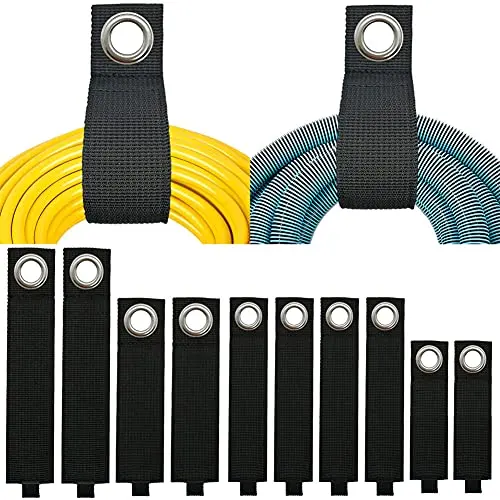
Choosing garage equipment becomes easier when the question is narrowed to the way the product will actually be used. How to Mount an Extension Cord Reel in a Garage is not answered well by one specification or a broad “best” label. The right answer comes from matching the product, installation, electrical or mechanical limits, and everyday workflow.
Quick Answer
Mount the reel to structural framing with the hardware and orientation permitted by its manual. Put it where the cord reaches the work zone without crossing doors, vehicle paths, sharp edges, or wet areas, and where the swivel and rewind mechanism have full clearance.
Start by comparing the options in our Extension Cord Reels collection, then use this guide to read ratings and compatibility details with a more critical eye. The broader Garage Tool Storage section also helps place this purchase in the rest of a functional garage plan.
Compare Extension Cord Reels on Amazon after you have written down your required cord gauge, usable length, reel rating, mounting position, and the tools you plan to power. A short requirement list prevents an attractive feature from hiding a poor fit.
Choose the work zone before the wall
Start with the farthest legitimate task, not the nearest empty stud. A central ceiling or wall location can shorten walking-path crossings, but only if the reel is rated for that orientation and remains reachable for inspection and reset.
For this part of the decision, separate a documented specification from a seller’s general description. Check the model label, downloadable manual, dimensional drawing, and installation limits. If two pages disagree, use the manufacturer’s current documentation for the exact model. That discipline is especially important when capacity, temperature, pressure, electrical load, or structural support affects safety.
Confirm mounting orientation
Some reels permit wall, ceiling, or bench mounting; others do not. Orientation affects the guide arm, ratchet, swivel, and stress on the bracket. Use the exact hole pattern and fasteners in the instructions rather than copying a photograph of another model.
For this part of the decision, separate a documented specification from a seller’s general description. Check the model label, downloadable manual, dimensional drawing, and installation limits. If two pages disagree, use the manufacturer’s current documentation for the exact model. That discipline is especially important when capacity, temperature, pressure, electrical load, or structural support affects safety.
See current extension cord reel choices on Amazon and compare the same fields across several models rather than jumping between unrelated feature lists.
Fasten into structure
Drywall alone is not a universal mounting surface for a loaded reel that is repeatedly pulled sideways. Locate a stud, joist, masonry substrate, or approved structural support. Account for the reel’s weight plus the force produced while extending the cord.
For this part of the decision, separate a documented specification from a seller’s general description. Check the model label, downloadable manual, dimensional drawing, and installation limits. If two pages disagree, use the manufacturer’s current documentation for the exact model. That discipline is especially important when capacity, temperature, pressure, electrical load, or structural support affects safety.
Plan the electrical connection
A plug-in reel needs a nearby grounded receptacle so its lead is not stretched or adapted. Hardwired equipment is electrical work, not an ordinary storage project. Follow local requirements and use a qualified electrician whenever a new circuit, box, or fixed connection is involved.
For this part of the decision, separate a documented specification from a seller’s general description. Check the model label, downloadable manual, dimensional drawing, and installation limits. If two pages disagree, use the manufacturer’s current documentation for the exact model. That discipline is especially important when capacity, temperature, pressure, electrical load, or structural support affects safety.
A useful cross-check is the wider Garage Tool Storage catalog, because the surrounding equipment can expose a compatibility issue that is easy to miss when the extension cord reel is considered alone.
Browse more Extension Cord Reels options with those system limits in mind.
Protect the cord path
Keep the cord away from garage-door tracks, hinges, hot exhaust, chemical spills, welding sparks, blades, and vehicle tires. The outlet end should reach the work without becoming a low trip line or being pinched under a closed door.
For this part of the decision, separate a documented specification from a seller’s general description. Check the model label, downloadable manual, dimensional drawing, and installation limits. If two pages disagree, use the manufacturer’s current documentation for the exact model. That discipline is especially important when capacity, temperature, pressure, electrical load, or structural support affects safety.
Set the guide and stop correctly
Adjustable guide arms and cord stops should be configured only as the manufacturer allows. Test latching and retraction with no load attached, using controlled tension so the plug end does not whip into people, paint, lights, or vehicle panels.
For this part of the decision, separate a documented specification from a seller’s general description. Check the model label, downloadable manual, dimensional drawing, and installation limits. If two pages disagree, use the manufacturer’s current documentation for the exact model. That discipline is especially important when capacity, temperature, pressure, electrical load, or structural support affects safety.
Check Extension Cord Reels specifications and availability only after confirming that the listing identifies the size, rating, and included hardware clearly.
Final inspection and upkeep
Tighten the bracket to specified torque when provided, confirm full swivel clearance, inspect grounding pins and jacket, and label the reel’s rating where it can be seen. Recheck mounting hardware periodically because repeated pulling can loosen a marginal installation.
For this part of the decision, separate a documented specification from a seller’s general description. Check the model label, downloadable manual, dimensional drawing, and installation limits. If two pages disagree, use the manufacturer’s current documentation for the exact model. That discipline is especially important when capacity, temperature, pressure, electrical load, or structural support affects safety.
Mount around structure, reach, and the complete cord path
Choose the work path before drilling. Model the cord’s route to the workbench, vehicle, driveway, and major tools while checking the garage door, tracks, storage doors, lights, sharp corners, hot surfaces, and areas that become wet. The reel should be reachable for inspection and reset without placing the user beneath a moving cord.
Confirm that the manufacturer permits the planned wall or ceiling orientation. Fasten the specified bracket into structure capable of supporting the reel and the pulling force created during deployment; drywall alone is not automatically adequate. Observe any maximum mounting height, swivel clearance, guide-arm position, and cord-stop instructions.
Plan the electrical connection without treating a flexible cord as permanent building wiring. Keep the plug accessible and avoid pinching cable through doors or holes. If the location requires a new receptacle, fixed wiring, circuit evaluation, or work beyond the product instructions, use a qualified electrician. After installation, test extension, locking, controlled rewind, and clearance with no load before normal use.
Commission the installation before connecting a normal load
After the bracket is secure, test the mechanism with the reel de-energized. Pull the cord through its full intended path, check every locking position, observe the guide angle, and confirm that the cord stop cannot strike a vehicle, light, cabinet, or person during rewind. Look for bracket flex, rubbing, sharp contact, and interference with doors or stored equipment.
Then connect power according to the manufacturer’s instructions and test with a modest compatible load before using demanding equipment. Verify that the plug remains fully seated, the reel rotates or swivels without straining the inlet lead, and the breaker or reset control stays accessible. Do not bypass a protective device to complete the test.
Create an inspection schedule based on use. Frequent workshop deployment deserves more regular checks of mounting fasteners, cord jacket, plug blades, outlet grip, guide rollers, stop position, retraction speed, and grounding continuity when the manufacturer specifies a test. Disconnect and remove the reel from service if the bracket loosens, the cable is crushed, the latch becomes unreliable, or electrical damage appears. Spring and electrical repairs should follow the manufacturer’s service process.
Compare wall, ceiling, portable, and organizer options on Amazon.
Continue the Extension Cord Reel Guide Series
Use the rest of this focused series to compare load, installation, storage, and reel-mechanism decisions:
- Do Extension Cord Reels Need to Be Fully Unwound?
- Extension Cord Reel vs Regular Extension Cord
- Best Extension Cord Reels for Garage and Workshop Use
- Retractable vs Manual Extension Cord Reels
Return to Extension Cord Reels to compare current reel and organizer formats, then coordinate the work zone through Garage Lighting and Workbenches.
Confirm electrical compatibility before drilling. The extension cord and reel capacity guide provides the load, length, gauge, and inspection checks that should be settled before the mounting location is finalized.
Frequently Asked Questions
Is the most expensive extension cord reel automatically the best?
No. Price can reflect materials, capacity, accessories, or brand support, but the best choice is the model whose documented limits match your job and installation without paying for features you will not use.
Can I rely on a marketplace title for sizing?
No. Titles are shortened and variations are sometimes grouped. Verify the exact model number, manual, dimensions, ratings, included fittings or hardware, and any operating limits before ordering.
How much extra capacity should I buy?
Use the manufacturer’s selection guidance and the demands of the complete system. Sensible margin can help, but arbitrary oversizing can add weight, cost, electrical demand, or awkwardness without improving the job.
What should I inspect when it arrives?
Confirm the model and rating label, examine the housing and working components for damage, inventory the parts, read the instructions, and test operation without exceeding limits before putting valuable tools or vehicles nearby.
When should I ask a professional?
Get qualified help when the installation changes fixed wiring, depends on uncertain structural support, involves code requirements, or operates near hazards that the product documentation does not clearly address.
Final Verdict
Mount the reel to structural framing with the hardware and orientation permitted by its manual. Put it where the cord reaches the work zone without crossing doors, vehicle paths, sharp edges, or wet areas, and where the swivel and rewind mechanism have full clearance. The winning choice is the one supported by clear documentation and installed within every stated limit. Compare the complete system, not one headline feature, and plan how the product will be inspected, stored, or serviced after the first use.
For a final side-by-side look, compare Extension Cord Reels on Amazon. The link uses the exact collection-specific destination supplied for MyGarageProducts.com.