Extension Cord Reel vs Regular Extension Cord: Which Is Better?
Choosing garage equipment becomes easier when the question is narrowed to the way the product will actually be used. Extension Cord Reel vs Regular Extension Cord: Which Is Better? is not answered well by one specification or a broad “best” label. The right answer comes from matching the product, installation, electrical or mechanical limits, and everyday workflow.
Quick Answer
Choose a reel when the cord will be used repeatedly from one garage location and controlled storage matters. Choose a loose extension cord when portability, occasional use, or routing around changing work areas matters more. Electrical capacity depends on gauge, length, construction, and rating—not on whether the cord is stored on a drum.
Start by comparing the options in our Extension Cord Reels collection, then use this guide to read ratings and compatibility details with a more critical eye. The broader Garage Tool Storage section also helps place this purchase in the rest of a functional garage plan.
Compare Extension Cord Reels on Amazon after you have written down your required cord gauge, usable length, reel rating, mounting position, and the tools you plan to power. A short requirement list prevents an attractive feature from hiding a poor fit.
The real difference is management
A reel combines a cord, storage drum, guide, and often a mounting bracket. A regular cord is simpler to carry and route. Neither format is automatically more powerful or safer; correct selection, inspection, load matching, and routing determine the result.
For this part of the decision, separate a documented specification from a seller’s general description. Check the model label, downloadable manual, dimensional drawing, and installation limits. If two pages disagree, use the manufacturer’s current documentation for the exact model. That discipline is especially important when capacity, temperature, pressure, electrical load, or structural support affects safety.
When a retractable reel wins
Frequent bench work, detailing, battery charging, and light-duty tool use benefit from a known home position. Retraction gets excess cable off the floor quickly, while a swivel bracket can serve more than one work bay without a pile of cord on a shelf.
For this part of the decision, separate a documented specification from a seller’s general description. Check the model label, downloadable manual, dimensional drawing, and installation limits. If two pages disagree, use the manufacturer’s current documentation for the exact model. That discipline is especially important when capacity, temperature, pressure, electrical load, or structural support affects safety.
See current extension cord reel choices on Amazon and compare the same fields across several models rather than jumping between unrelated feature lists.
When a loose cord wins
A portable cord is easier to take outdoors, move between buildings, route through an unusual path, or replace independently. It also avoids the fixed reach circle created by a wall-mounted reel. Proper coiling still matters to prevent kinks and damage.
For this part of the decision, separate a documented specification from a seller’s general description. Check the model label, downloadable manual, dimensional drawing, and installation limits. If two pages disagree, use the manufacturer’s current documentation for the exact model. That discipline is especially important when capacity, temperature, pressure, electrical load, or structural support affects safety.
Capacity comparison
Compare conductor gauge, total length, temperature and location rating, outlet configuration, and rated amperage. A long small-gauge reel may deliver less useful voltage to a demanding tool than a shorter heavy-gauge cord; a heavy-duty reel can reverse that result.
For this part of the decision, separate a documented specification from a seller’s general description. Check the model label, downloadable manual, dimensional drawing, and installation limits. If two pages disagree, use the manufacturer’s current documentation for the exact model. That discipline is especially important when capacity, temperature, pressure, electrical load, or structural support affects safety.
A useful cross-check is the wider Garage Tool Storage catalog, because the surrounding equipment can expose a compatibility issue that is easy to miss when the extension cord reel is considered alone.
Browse more Extension Cord Reels options with those system limits in mind.
Storage and trip control
Reels make disciplined storage easy, but the extended cable can still cross a walkway. Loose cords can be routed more flexibly yet are often left tangled. The better choice is the system your garage routine will actually return to a protected condition after each job.
For this part of the decision, separate a documented specification from a seller’s general description. Check the model label, downloadable manual, dimensional drawing, and installation limits. If two pages disagree, use the manufacturer’s current documentation for the exact model. That discipline is especially important when capacity, temperature, pressure, electrical load, or structural support affects safety.
Cost and repair considerations
A quality reel includes moving parts, so bracket, spring, ratchet, guide rollers, and outlets add cost and possible service points. A basic cord costs less and has fewer mechanisms, while replaceable-cord or serviceable reels may offer a longer useful life.
For this part of the decision, separate a documented specification from a seller’s general description. Check the model label, downloadable manual, dimensional drawing, and installation limits. If two pages disagree, use the manufacturer’s current documentation for the exact model. That discipline is especially important when capacity, temperature, pressure, electrical load, or structural support affects safety.
Check Extension Cord Reels specifications and availability only after confirming that the listing identifies the size, rating, and included hardware clearly.
Decision checklist
List your highest-load tool, farthest working point, preferred mounting location, wet or outdoor exposure, frequency of use, and storage habits. Then compare certified ratings and manual requirements rather than treating retractability as the deciding specification.
For this part of the decision, separate a documented specification from a seller’s general description. Check the model label, downloadable manual, dimensional drawing, and installation limits. If two pages disagree, use the manufacturer’s current documentation for the exact model. That discipline is especially important when capacity, temperature, pressure, electrical load, or structural support affects safety.
Choose the management system after matching the electrical load
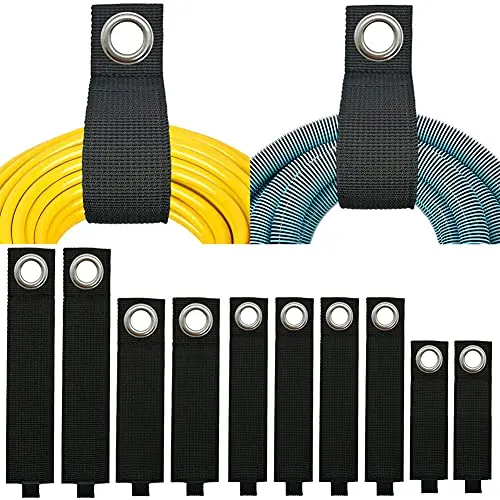
A reel and a loose cord can carry similar ratings, but they create different workflows. A mounted retractable reel is strongest when power follows the same route repeatedly and fast cleanup keeps excess cable off the floor. A regular cord with a wide holder is strongest when projects move, several lengths or gauges are needed, or the cord must leave the garage.
Compare total usable reach, not just the printed cord length. A reel has an inlet lead and mounting position that affect the path; a loose cord may need a separate storage hook and more setup time. Reel mechanisms add springs, latches, contacts, guides, and mounting hardware that require inspection, while a simple cord is easier to replace independently.
Electrical limits still come first. Confirm the equipment instructions, gauge, length, amperage, voltage, grounding, environment, and any wound or unwound ratings. A reel does not upgrade an undersized conductor, and a loose cord is not safer merely because it has no spool. Choose the format that controls the path while meeting the exact load.
Compare lifetime upkeep, not just purchase price
A regular extension cord has fewer mechanical parts and can be replaced independently from its holder. Its upkeep centers on the jacket, conductors, strain relief, plug blades, connector body, and storage method. A powered reel adds a spool, bearings or bushings, guides, latches or crank parts, internal contacts, mounting hardware, and sometimes a spring. Those parts add convenience and create more inspection points.
Consider how often the cord moves. In a fixed workbench lane used several times a week, controlled deployment and automatic cleanup may justify the reel’s higher complexity. In a garage where power is needed only a few times per season—or where the cord travels to the yard, RV, or another building—a separate cord and wide storage strap may be easier to own.
Replacement flexibility matters too. If a reel uses an integrated cord, determine whether the manufacturer supports cord replacement and service. If a manual spool stores a removable cord, verify that the spool size prevents tight bending and that the cord is fully disconnected before storage when required. The lowest-cost option is the one that remains correctly rated, easy to inspect, and convenient enough to be stored properly after every job.
Compare powered reels and extension-cord organizers on Amazon.
Continue the Extension Cord Reel Guide Series
Use the rest of this focused series to compare load, installation, storage, and reel-mechanism decisions:
- Do Extension Cord Reels Need to Be Fully Unwound?
- How to Mount an Extension Cord Reel in a Garage
- Best Extension Cord Reels for Garage and Workshop Use
- Retractable vs Manual Extension Cord Reels
Return to Extension Cord Reels to compare current reel and organizer formats, then coordinate the work zone through Garage Lighting and Workbenches.
Whichever storage format wins, the electrical path still needs to fit the job. Apply the extension cord and reel capacity checklist to both a powered reel and a separate cord before comparing convenience.
Frequently Asked Questions
Is the most expensive extension cord reel automatically the best?
No. Price can reflect materials, capacity, accessories, or brand support, but the best choice is the model whose documented limits match your job and installation without paying for features you will not use.
Can I rely on a marketplace title for sizing?
No. Titles are shortened and variations are sometimes grouped. Verify the exact model number, manual, dimensions, ratings, included fittings or hardware, and any operating limits before ordering.
How much extra capacity should I buy?
Use the manufacturer’s selection guidance and the demands of the complete system. Sensible margin can help, but arbitrary oversizing can add weight, cost, electrical demand, or awkwardness without improving the job.
What should I inspect when it arrives?
Confirm the model and rating label, examine the housing and working components for damage, inventory the parts, read the instructions, and test operation without exceeding limits before putting valuable tools or vehicles nearby.
When should I ask a professional?
Get qualified help when the installation changes fixed wiring, depends on uncertain structural support, involves code requirements, or operates near hazards that the product documentation does not clearly address.
Final Verdict
Choose a reel when the cord will be used repeatedly from one garage location and controlled storage matters. Choose a loose extension cord when portability, occasional use, or routing around changing work areas matters more. Electrical capacity depends on gauge, length, construction, and rating—not on whether the cord is stored on a drum. The winning choice is the one supported by clear documentation and installed within every stated limit. Compare the complete system, not one headline feature, and plan how the product will be inspected, stored, or serviced after the first use.
For a final side-by-side look, compare Extension Cord Reels on Amazon. The link uses the exact collection-specific destination supplied for MyGarageProducts.com.