![[2026NEW Model] 5000A Jump Starter with Air Compressor,Car Jumper Starter Portable with 150PSI Tire Inflator 12V Jump Box with LCD Display,Flashlight,Storage Case (Up 9L Gas/8L Diesel Engine](/assets/img/410a3a1acd9e3ca21bdb3d48.webp)
![Car Tire Inflator Portable Air Compressor - Lamicall [4X Faster][150 PSI] Bike Air Pump, Rechargeable Battery, Pressure Gauge Display, LED Light, Automatic Car Cordless Pump for Motorcycle, Bike, Ball](/assets/img/d7064ca7a138bcb4a99cb8f2.webp)
Portable Air Compressors Buying Guide
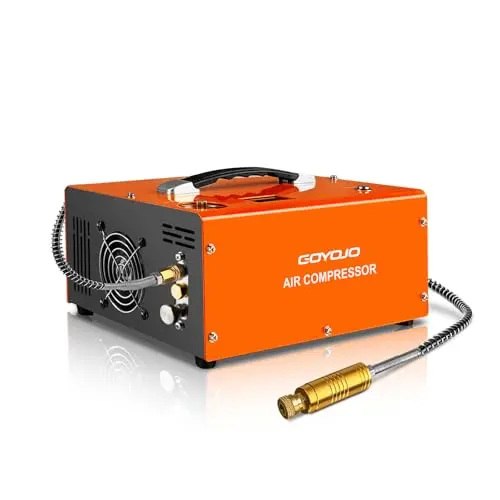
The best portable air compressor is the smallest practical unit that can deliver the pressure, airflow, runtime, and reach your work actually requires. That may be a compact 12-volt tire inflator kept in a vehicle, a cordless pump that shares batteries with other tools, a small tank compressor for nailers, or a larger wheeled model for more demanding garage work. These designs all move air, but they are not interchangeable.
Start With the Job, Then Choose the Compressor Class
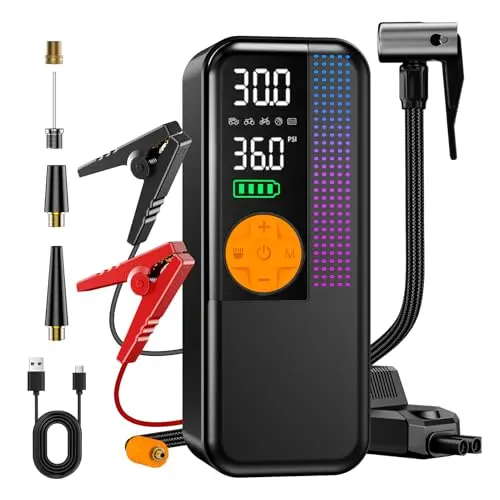
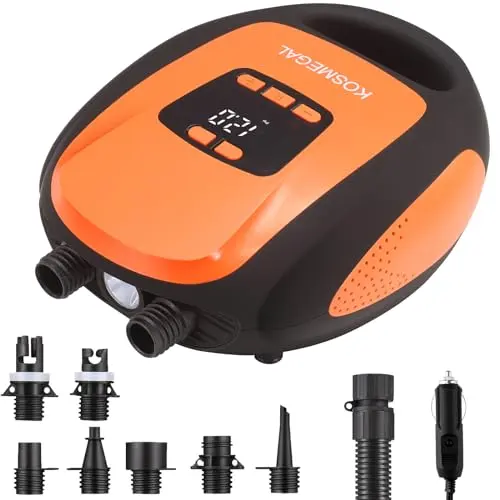
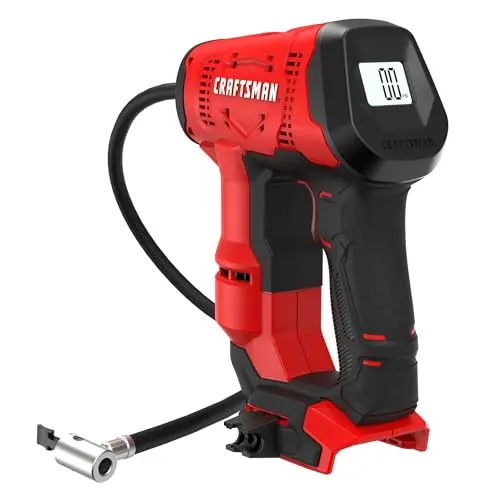
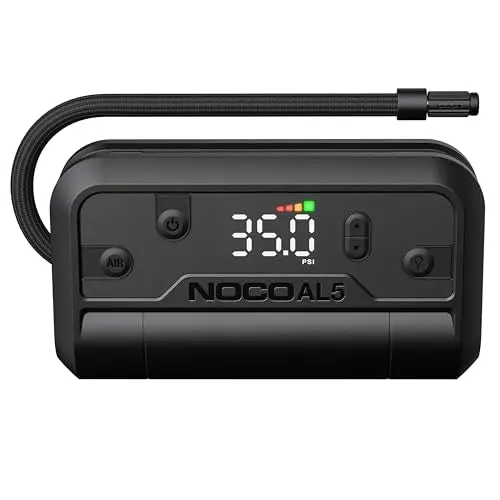
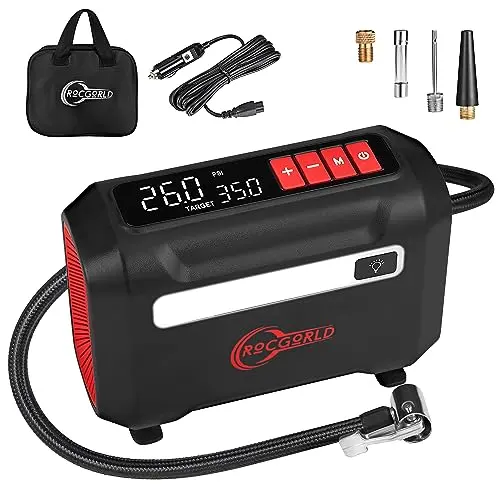
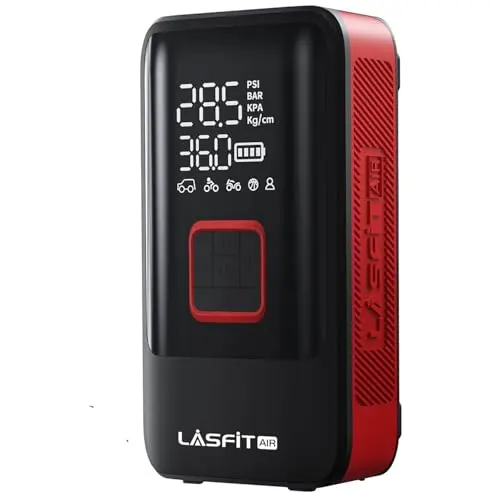
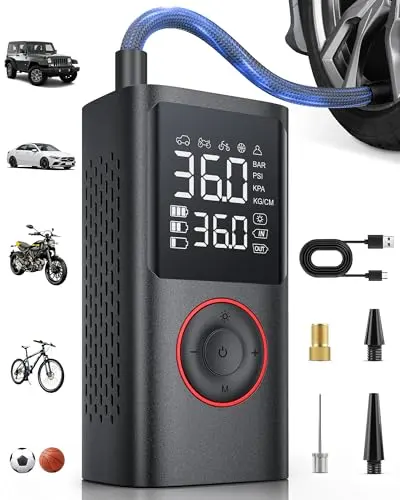
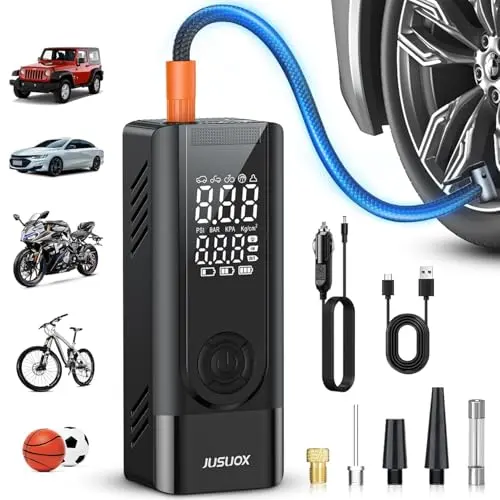
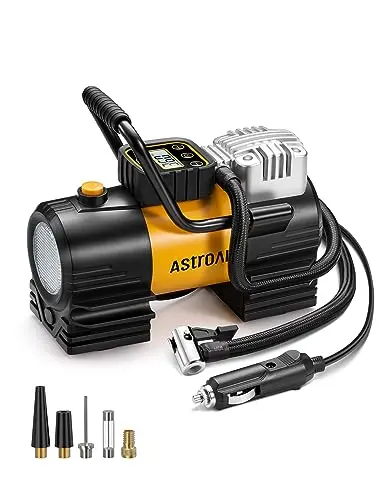
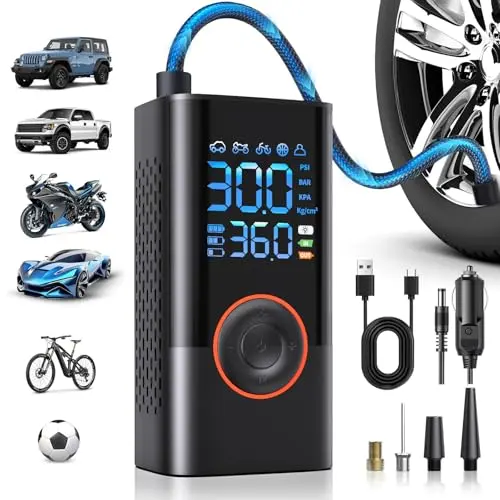
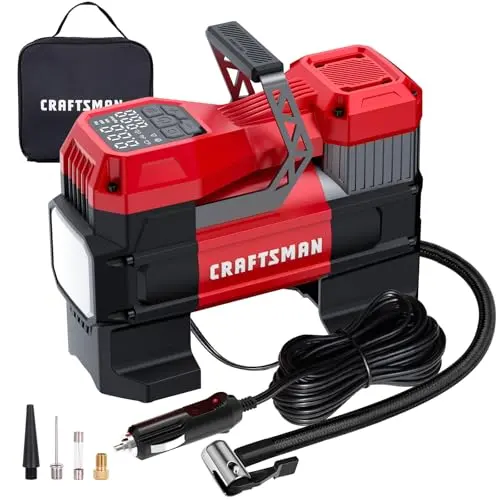
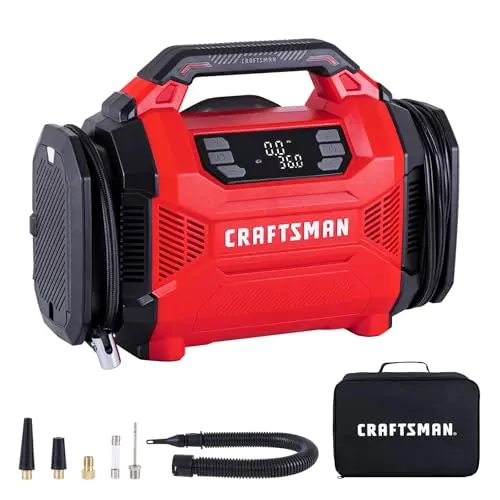
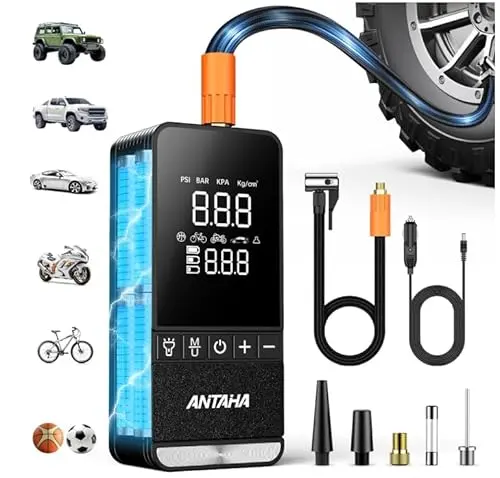
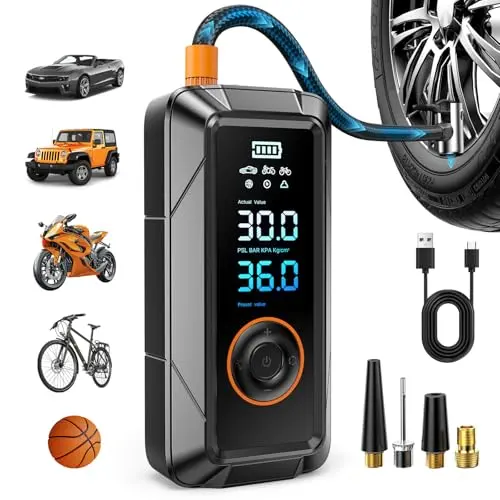
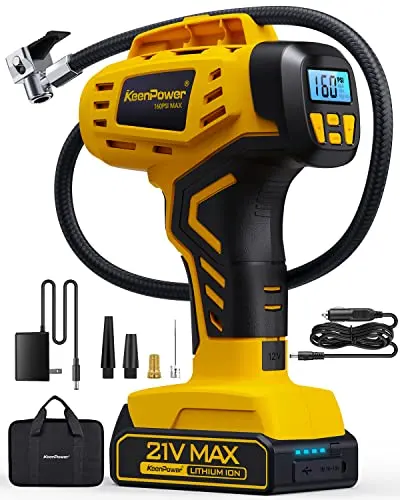
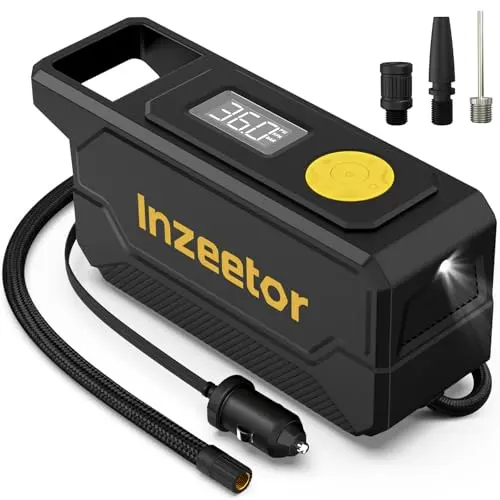
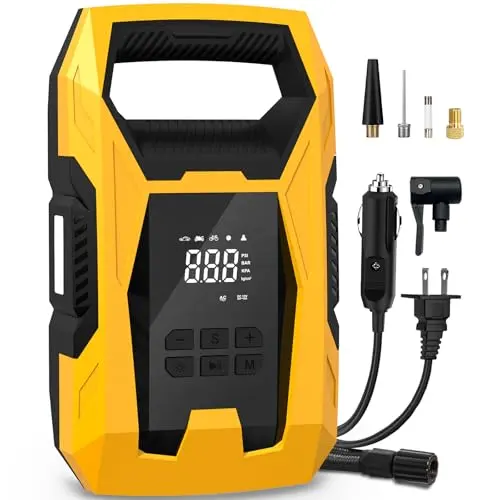
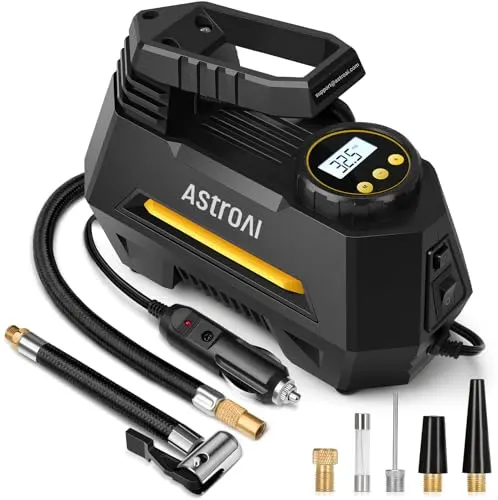
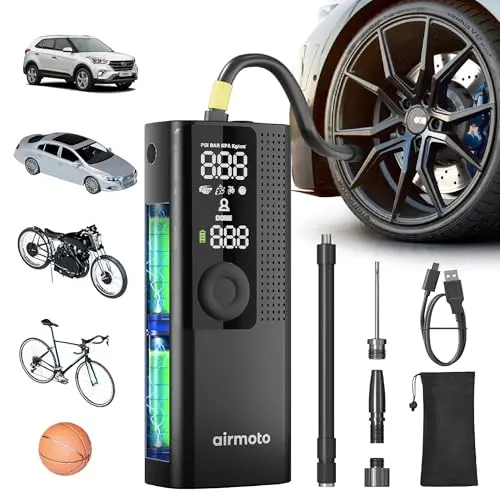
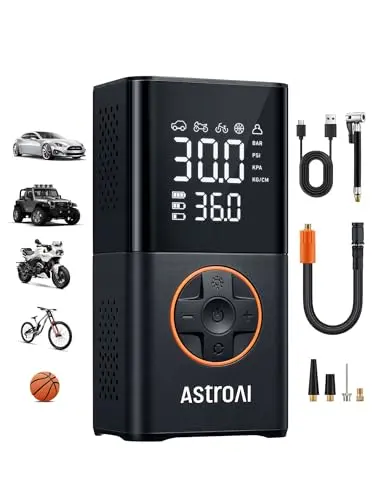
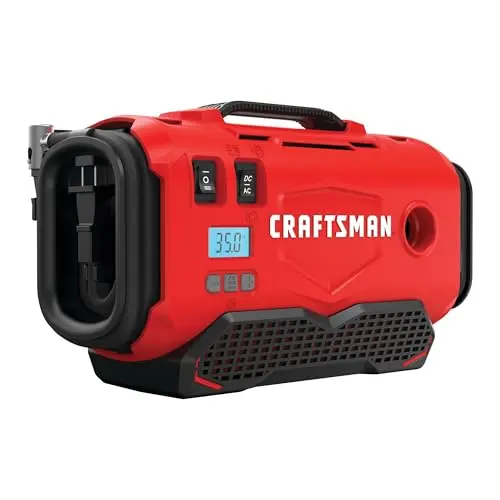
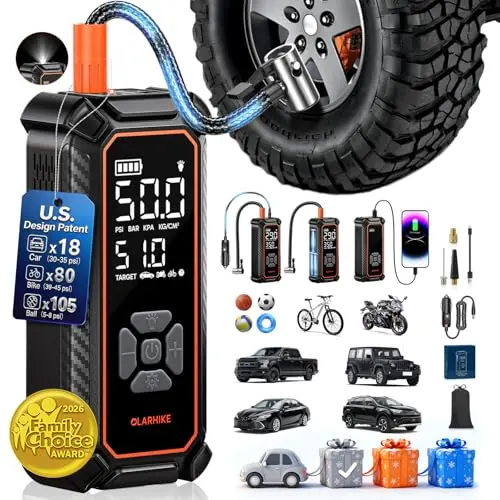
For tire top-offs, bicycle tires, sports equipment, and occasional inflatables, prioritize a readable gauge, automatic shutoff, useful hose length, dependable power, and a storage case. These compact inflators are easy to carry but generally are not substitutes for tank compressors that run pneumatic tools.
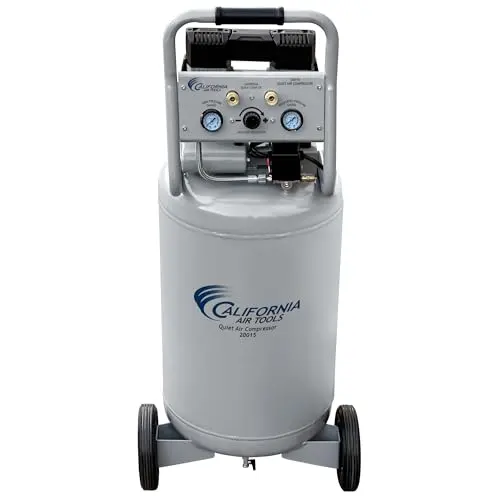
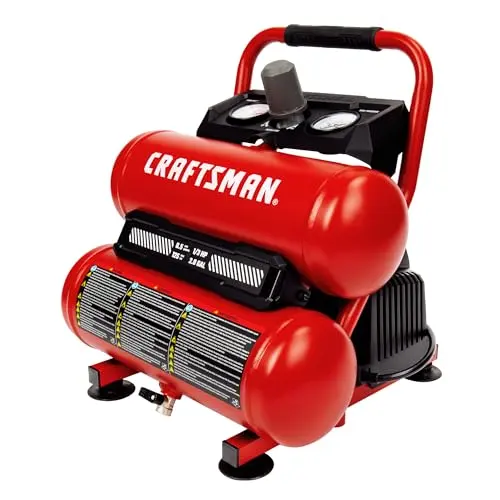
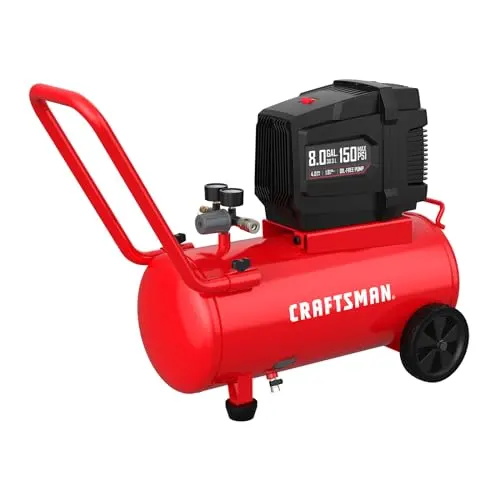
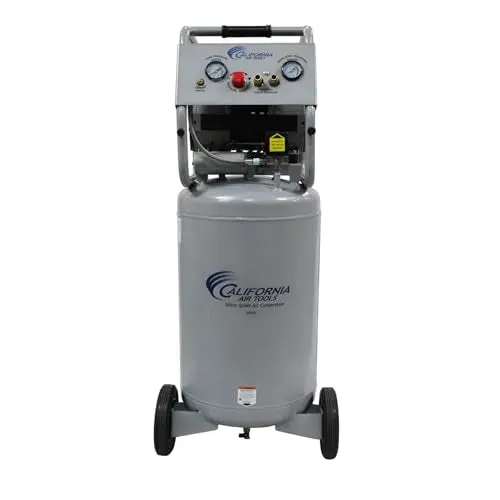
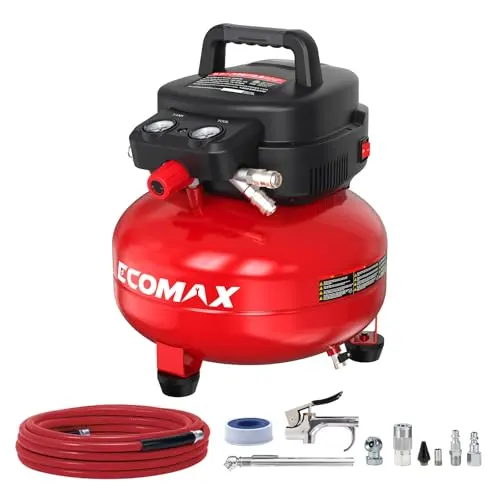
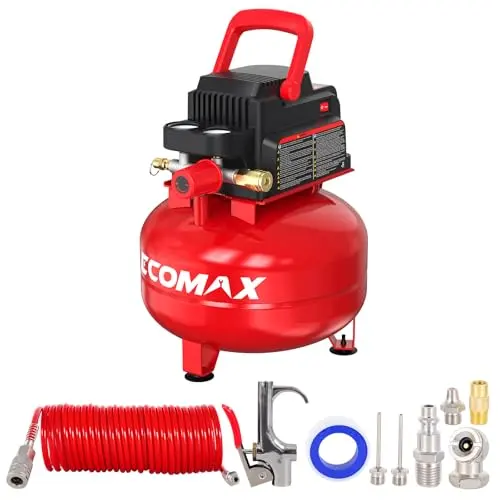
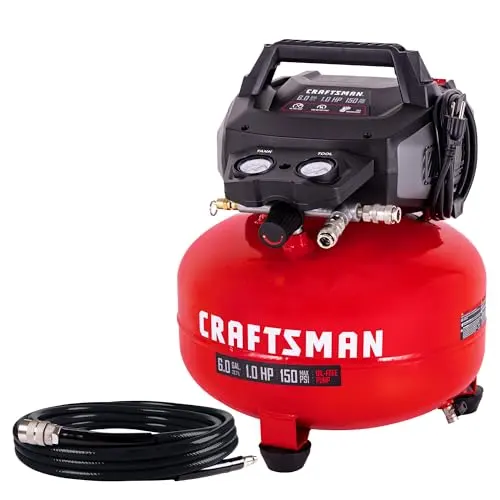
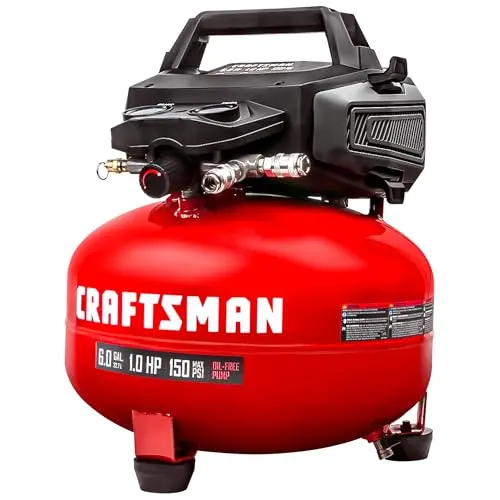
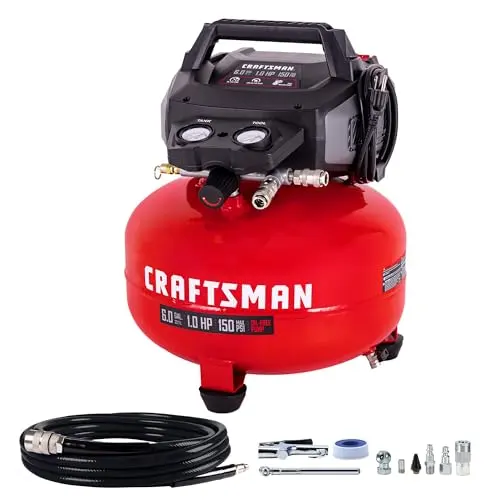
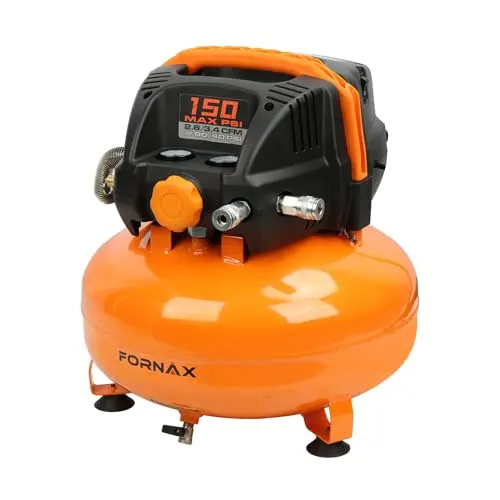
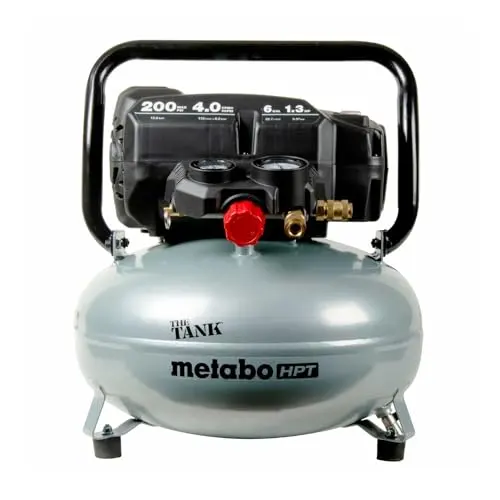
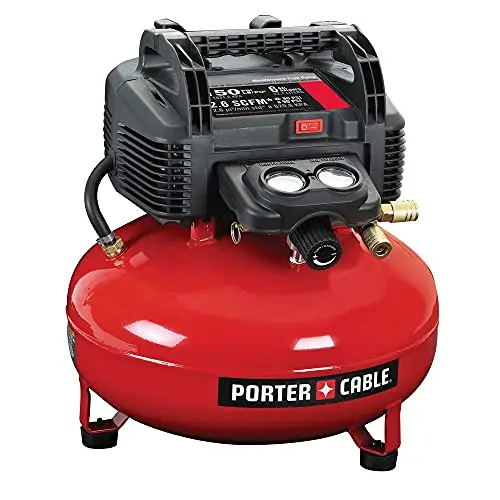
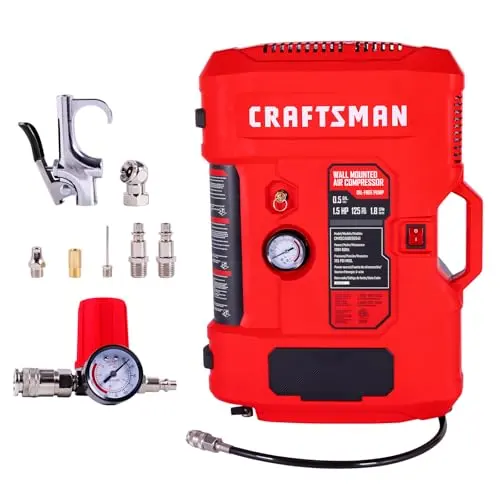
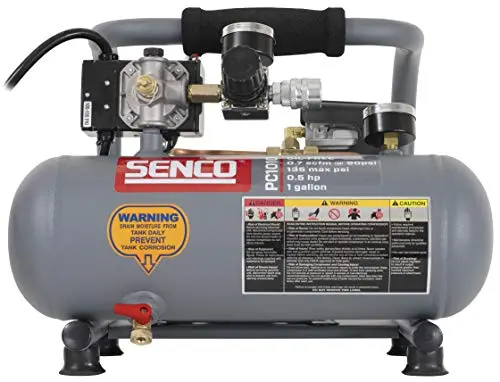
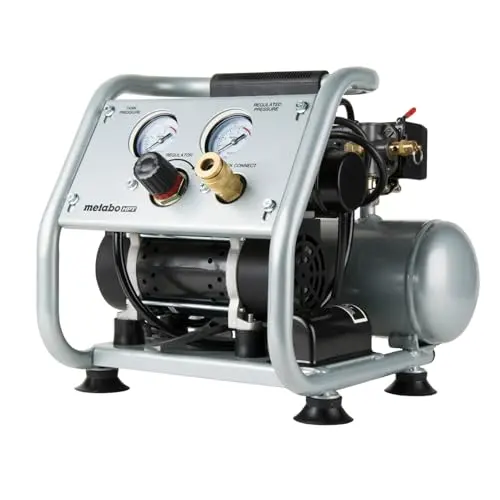
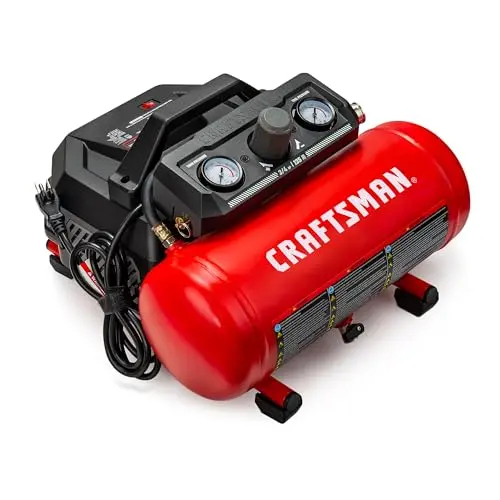
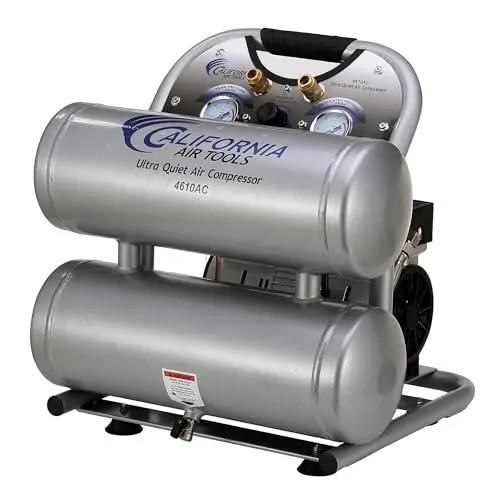
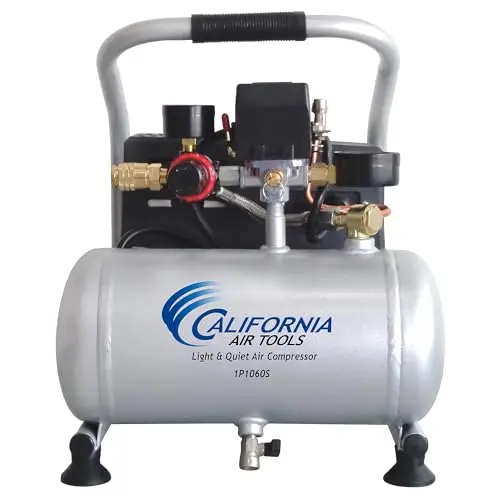
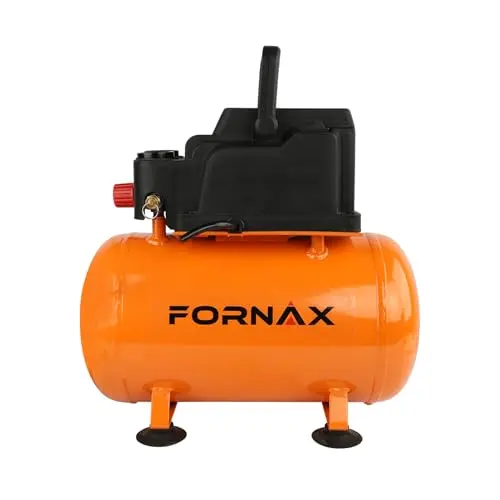
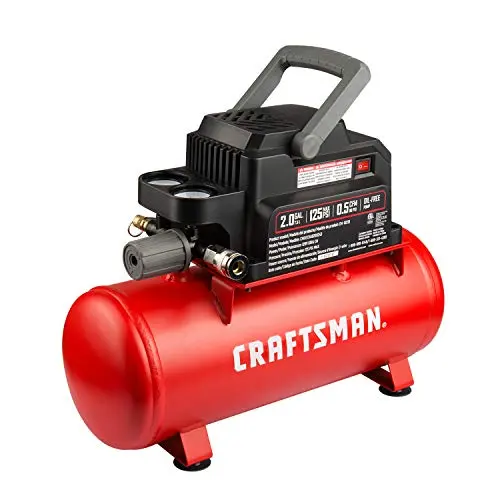
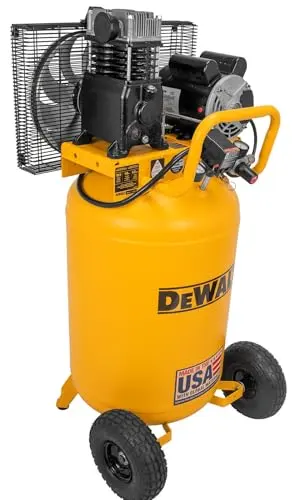
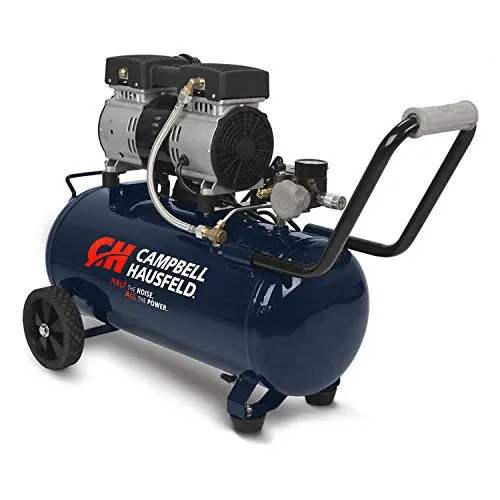
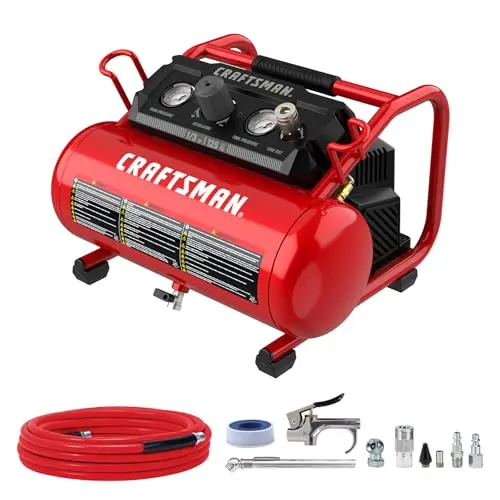
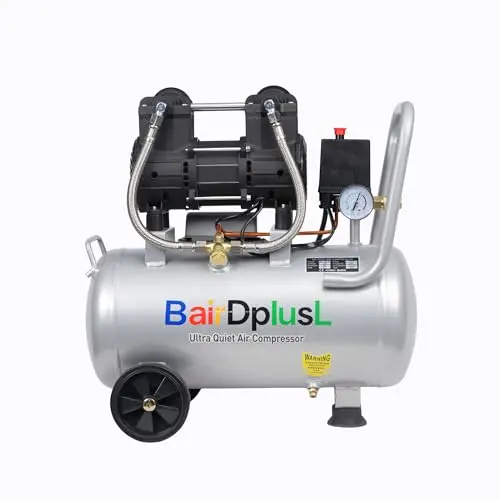
For brad nailers, finish nailers, staplers, blow guns, and intermittent garage work, a portable tank compressor can provide a reserve of compressed air and recover between cycles. Pancake, hot-dog, twin-stack, and small vertical tanks package that reserve differently. For tools with sustained air demand, check the tool manufacturer’s airflow requirement before assuming a portable compressor is sufficient.
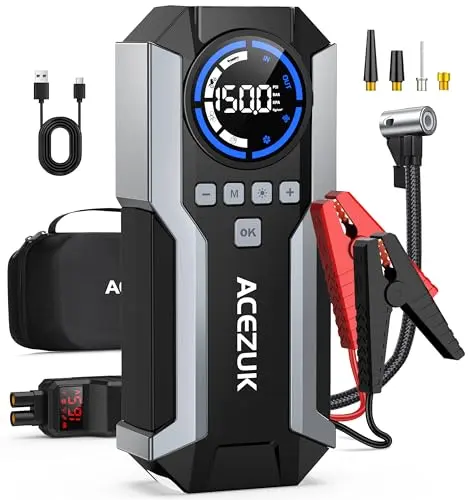
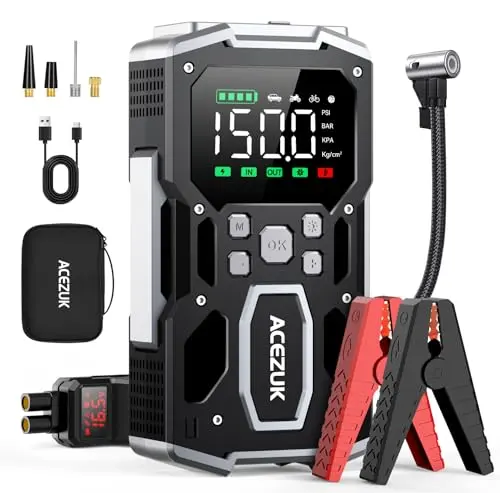
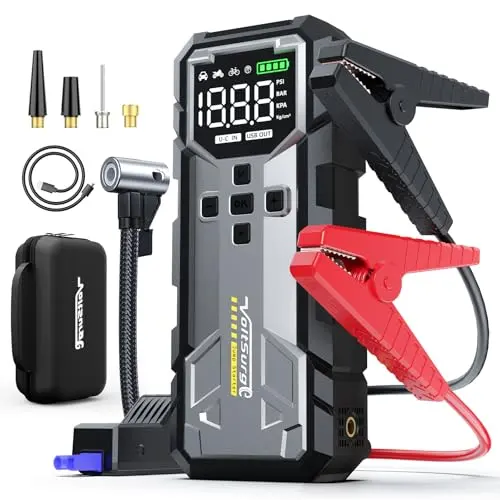
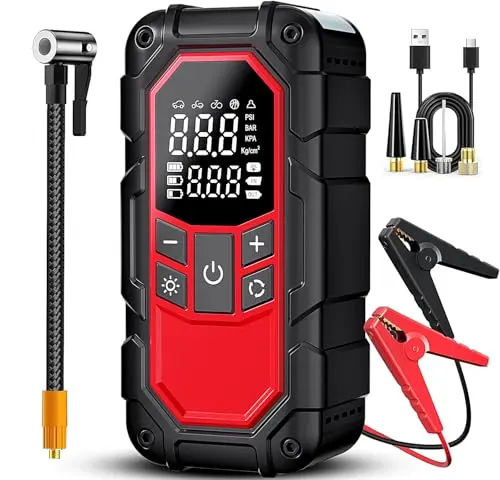
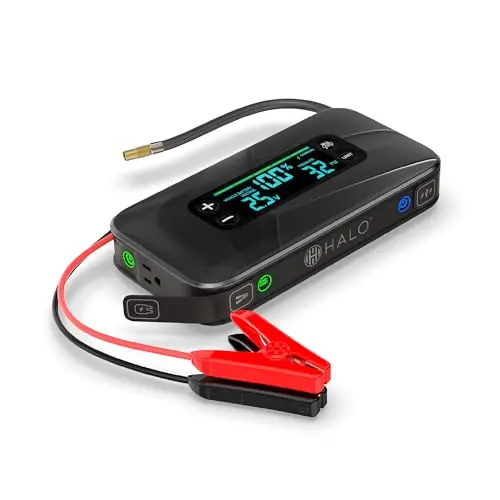
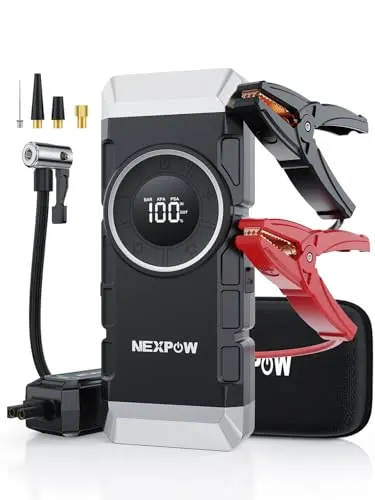
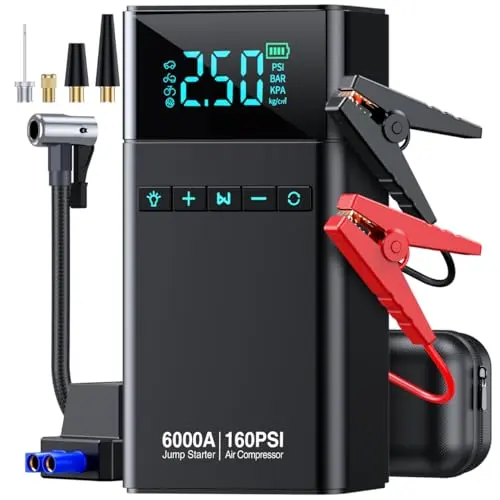
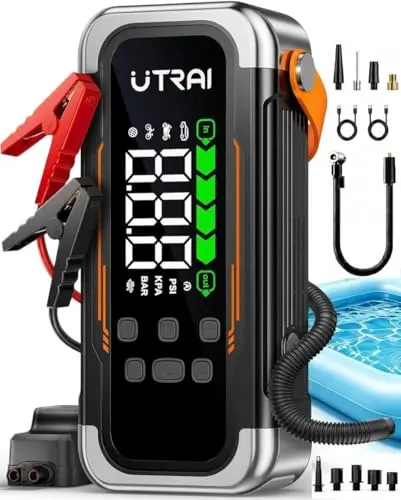
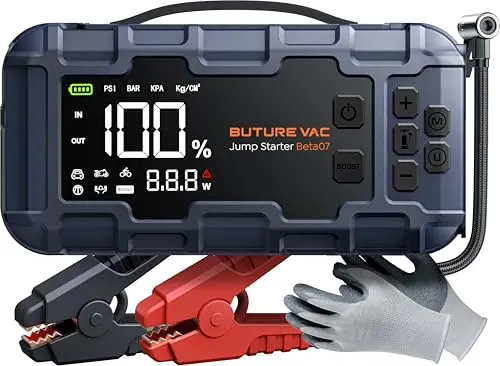
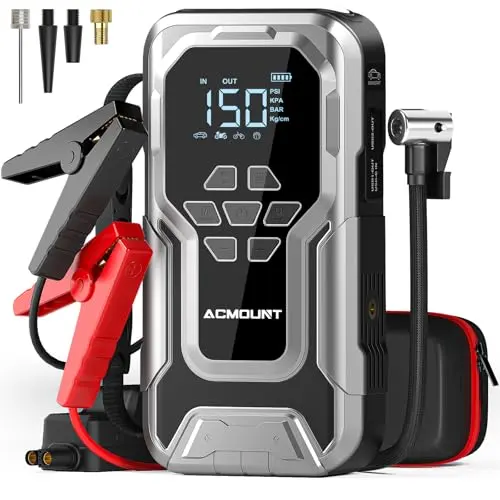
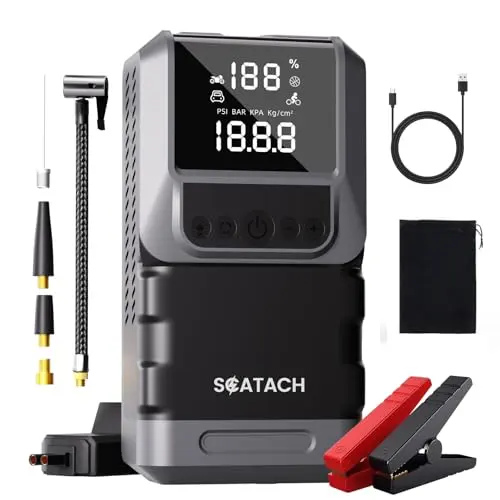
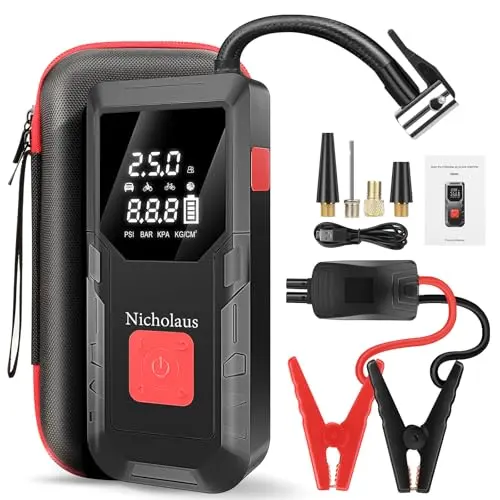
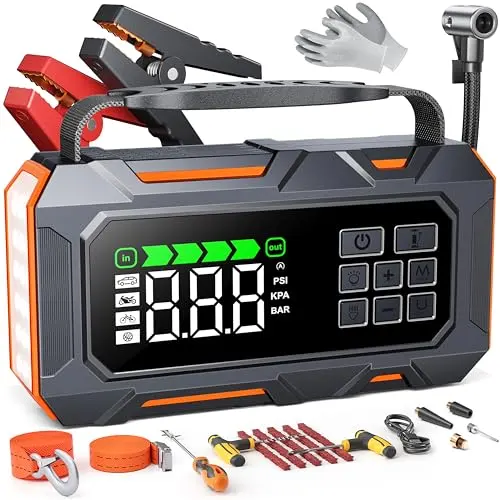
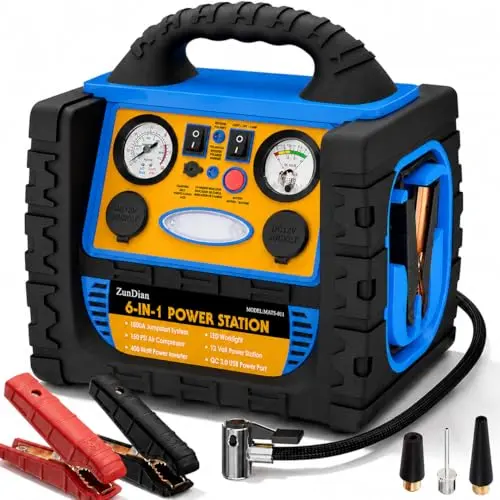
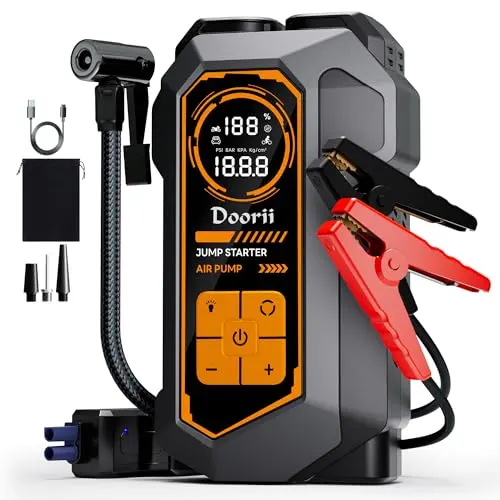
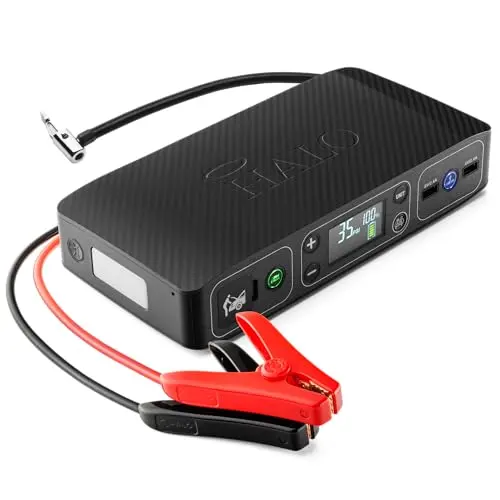
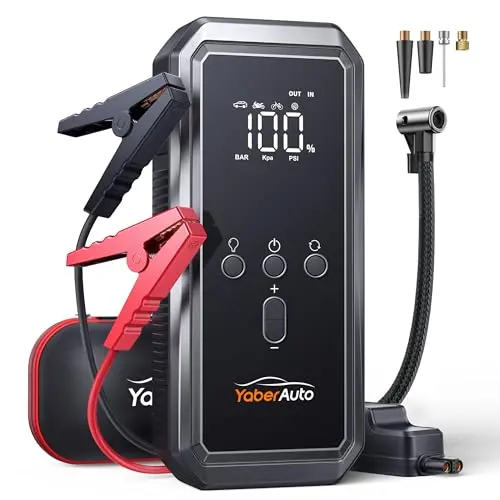
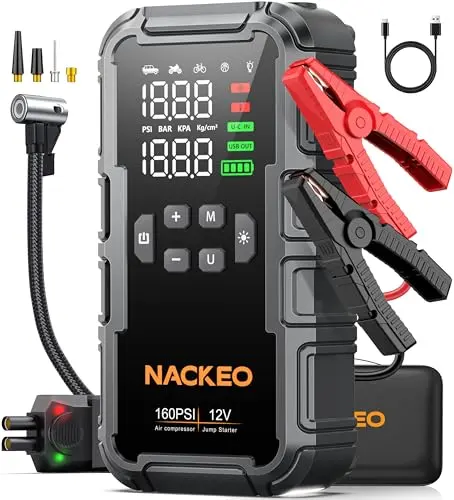
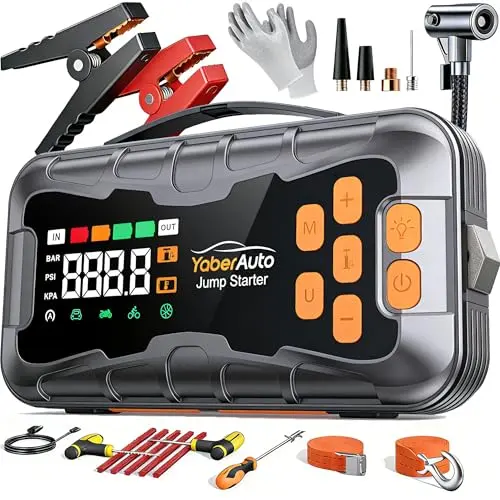
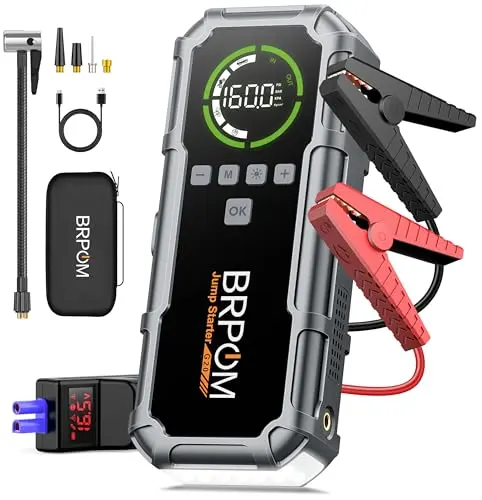
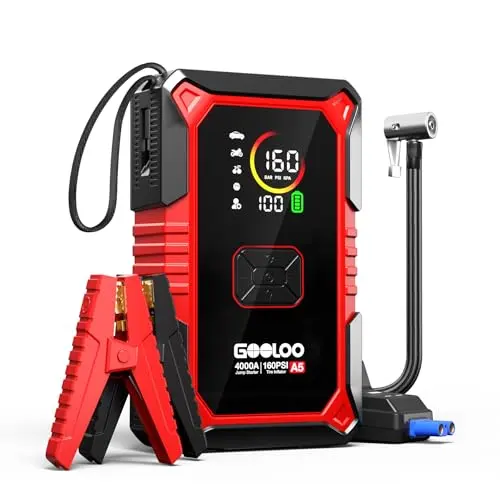
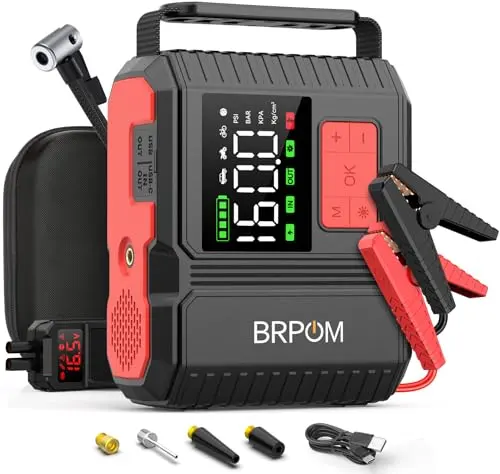
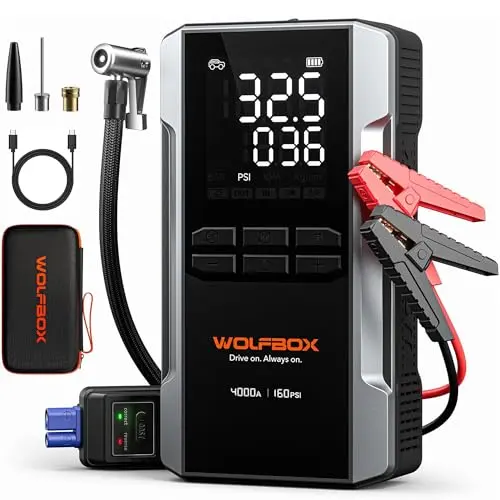
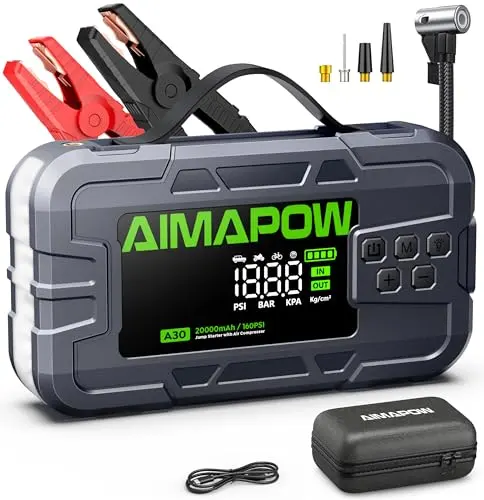
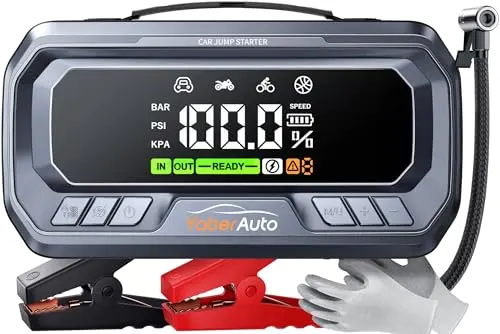
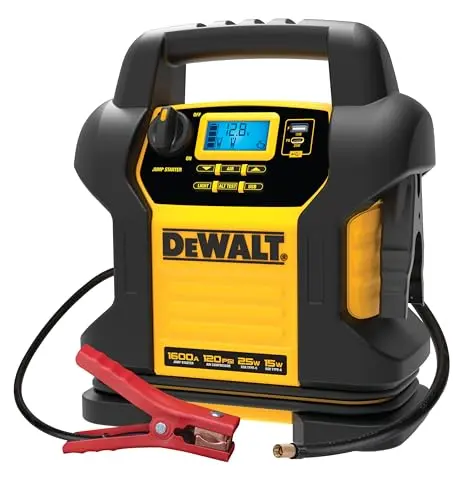
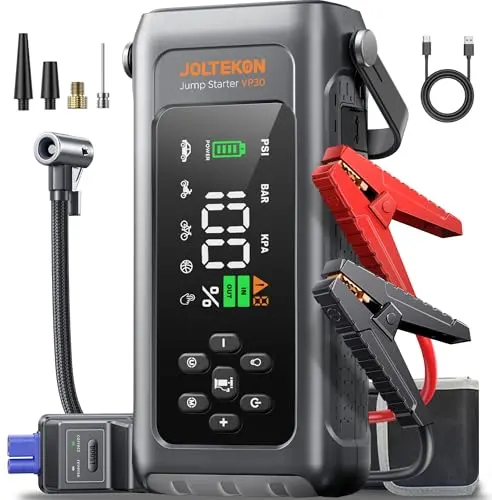
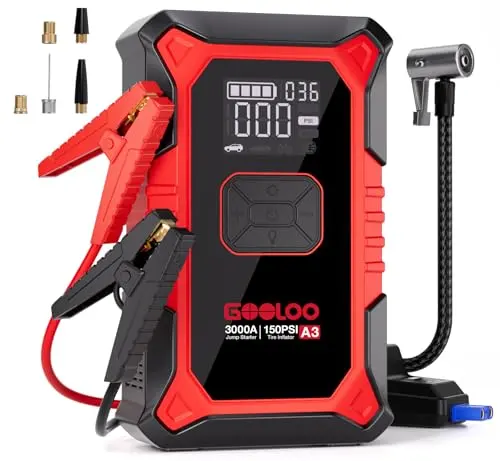
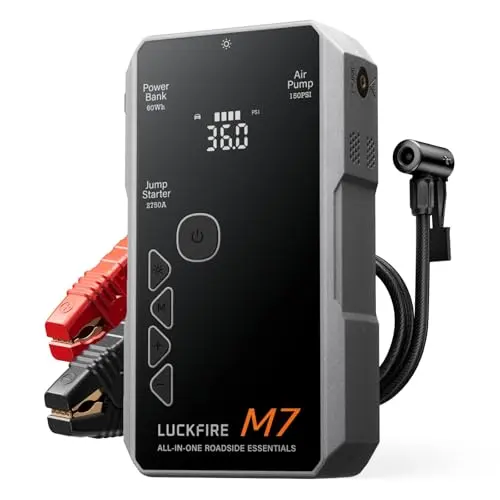
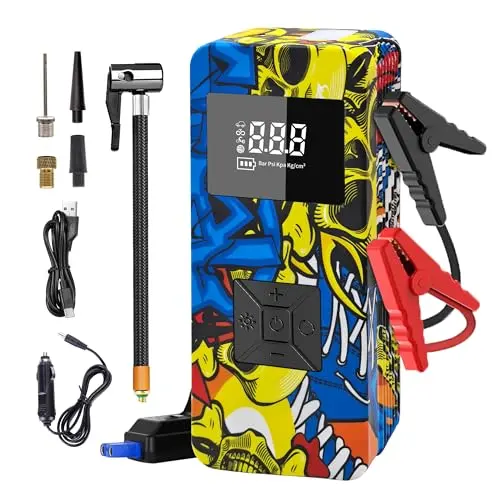
Combination jump starters with built-in compressors can reduce the number of emergency devices kept in a vehicle. Their inflation function may be convenient, but compare the compressor specifications, hose reach, battery-maintenance instructions, and jump-start capability separately. A strong jump starter is not automatically a fast inflator, and the reverse is also true.
Understand PSI, CFM, and SCFM
Maximum PSI tells you the highest pressure a compressor is designed to produce; it does not tell you how quickly the unit moves air or how well it keeps up with a tool. Tire inflation requires enough pressure plus reasonable delivery speed. Pneumatic tools are usually better matched by comparing the compressor’s published CFM or SCFM at the tool’s required operating pressure.
Use the tool manufacturer’s stated air-consumption figure as the starting point and leave practical breathing room for pressure drop, cycling, hose length, and normal variation. A compressor that barely equals a tool’s demand may run nearly continuously and deliver a frustrating workflow. Do not rely on horsepower, tank gallons, or maximum PSI as a shortcut for airflow.
Tank Size and Duty Cycle Affect the Work Rhythm
A tank stores compressed air; it does not create airflow on its own. A larger tank can provide a longer burst before the motor restarts, while the pump’s output determines how quickly the tank recovers. Small tanks are easier to carry and store, which is valuable for trim work and occasional inflation. Larger portable tanks are heavier but can make intermittent tool use feel less stop-and-start.
Duty cycle describes how long a compressor is intended to run within a given period under specified conditions. Definitions and test conditions vary, so compare manufacturer documentation rather than treating every percentage as directly equivalent. If a task involves repeated inflation or long tool cycles, recovery time and thermal protection matter more than a dramatic maximum-pressure number.
Choose the Right Power Source
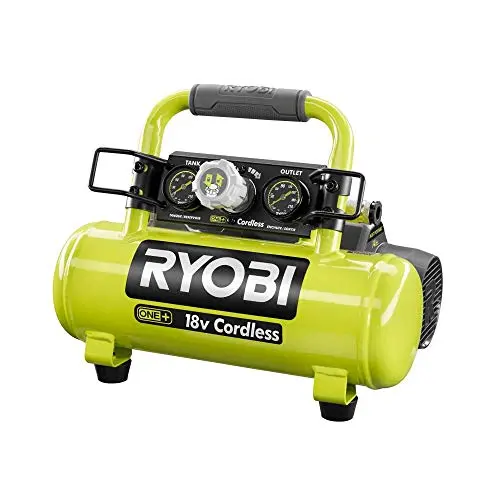
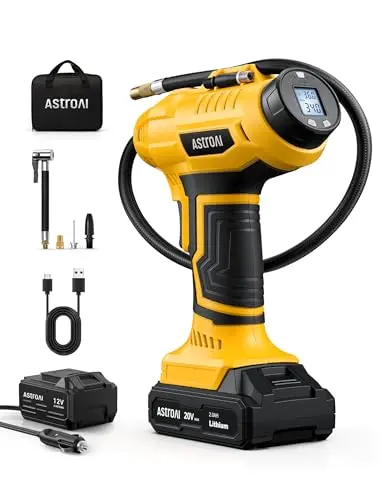
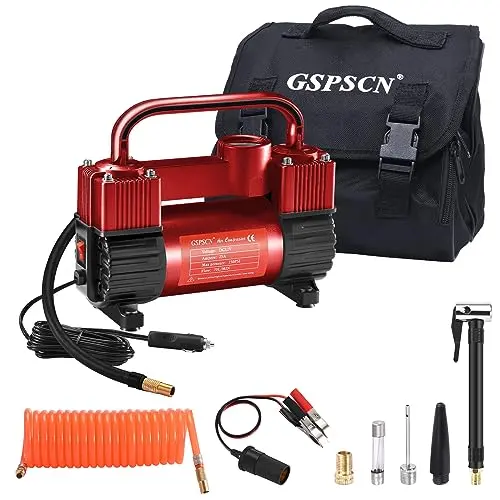
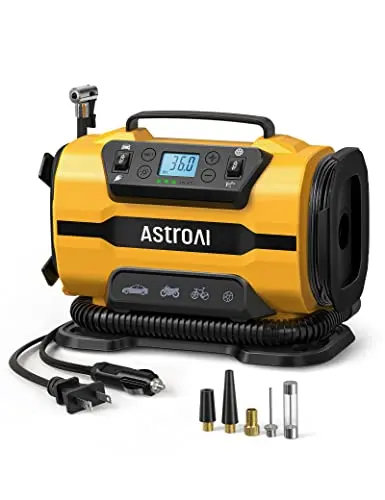
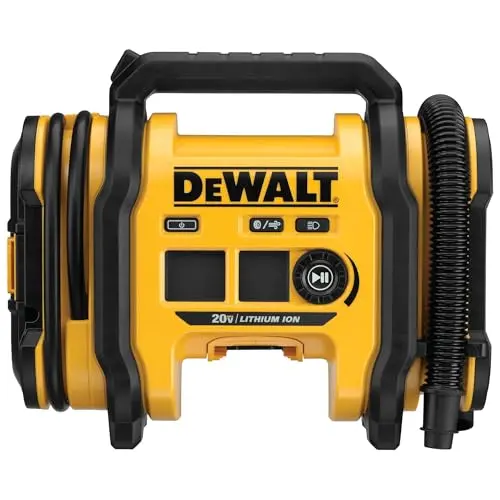
12-volt DC inflators are convenient for roadside tire care when their plug, cord, and current requirements match the vehicle connection. Battery-powered models offer excellent reach and quick setup, especially when the battery platform already exists in your garage. Check whether the advertised product includes a battery and charger or is sold as a bare tool.
120-volt corded compressors are a practical choice when garage outlets are available and consistent output matters. Confirm the electrical requirements in the manual, use an appropriate circuit, and follow the manufacturer’s guidance on extension cords. An undersized or excessively long cord can create voltage drop and poor motor performance; in many setups, a properly sized air hose is preferable to moving power through a long light-duty extension cord.
Compare Portability Honestly
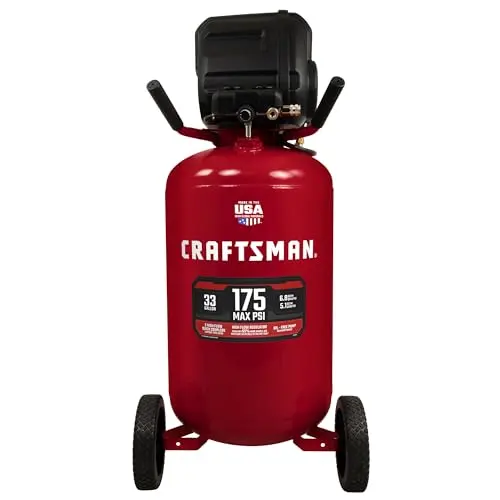
“Portable” can describe a pocket-size inflator or a heavy vertical compressor on wheels. Check the complete weight, handle position, wheel size, tank orientation, and where the unit will be stored. A stable pancake design may fit beneath a bench, while a hot-dog tank may carry naturally through a doorway. A wheeled vertical unit saves floor area but still needs enough clearance and a manageable route between storage and the work zone.
Measure the intended storage space before buying. Leave room for ventilation, controls, hose connections, and tank-drain access where applicable. Compressors should not be boxed into dusty cabinets or placed where intake airflow is restricted. Follow the product manual for clearance, operating temperature, moisture, and surface requirements.
Noise, Vibration, and an Attached Garage
Published sound ratings can help compare models, but the test distance and conditions may differ. A lower rated noise level can be valuable in an attached garage, basement workshop, or shared space; recovery time also matters because a quieter motor that runs frequently may still be disruptive. Rubber feet, a level surface, and separation from resonant shelves can reduce transferred vibration without blocking airflow.
Never cover a compressor to quiet it. Heat must escape, and intake vents must remain clear. Hearing protection may still be appropriate even with a product marketed as quiet. Review the manufacturer’s stated rating and operating instructions instead of assuming a marketing label guarantees comfortable sound in every room.
Portable Compressors for Tires
Match an inflator to the tire sizes you expect to service, not only the maximum PSI printed on the box. A compact unit that works well for passenger-car top-offs may take substantially longer on a light-truck or trailer tire because tire volume changes. Compare published inflation time under stated conditions, hose and cord reach, gauge increments, auto-stop behavior, and the unit’s cooldown instructions.
Use the vehicle placard or manufacturer guidance for the recommended cold-tire pressure; the number molded on the tire sidewall is not the normal target pressure for the vehicle. Check pressure with a reliable gauge, keep the compressor on a stable surface, and avoid traffic exposure when working roadside. The guide Portable Air Compressors for Tires: What Size Do You Need? goes deeper into this decision.
Portable Tank Designs for Garage Tools
Pancake compressors emphasize a low, stable footprint. Hot-dog models use a horizontal cylinder that may be easier to carry or slide alongside a wall. Twin-stack units split storage across two tanks, and wheeled vertical designs concentrate capacity into a smaller floor footprint. Our Pancake vs Hot Dog Air Compressors comparison explains the storage and handling tradeoffs.
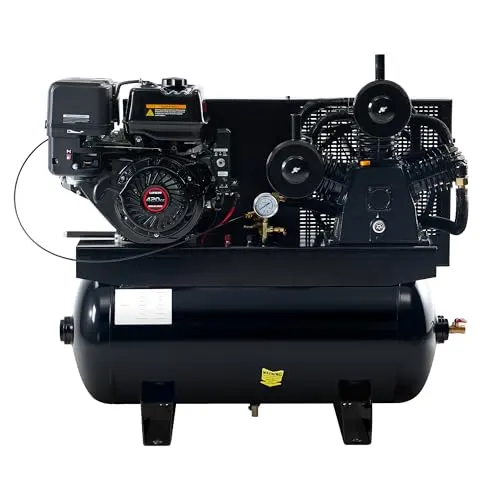
Before connecting a nailer, sprayer, impact tool, or other pneumatic equipment, compare its pressure and airflow requirements with the compressor’s published output at that pressure. Also consider coupler compatibility, regulator quality, hose inside diameter, and moisture management. For the broader range of stationary and portable formats, visit the parent Air Compressors collection.
Hoses, Reels, and a Safer Work Path
A suitable air hose extends reach while keeping the compressor in a ventilated location. Hose diameter, length, material, pressure rating, and fittings can affect pressure drop and handling. A reel can keep excess hose off the floor, but it must be rated for the system and mounted to appropriate structure. Compare compatible options in Air Hose Reels.
Route hoses away from vehicle paths, sharp edges, hot surfaces, and door tracks. Inspect hoses and fittings before use, depressurize the system before service, drain tank moisture as directed, and never exceed the lowest-rated component in the setup. Manufacturer instructions take priority over general guidance.
A Practical Shopping Checklist
- Define the task: tire inflation, emergency use, nailers, hobby work, or higher-demand pneumatic tools.
- Verify pressure and airflow: compare the required working pressure and CFM/SCFM, not maximum PSI alone.
- Choose a power source: 12V DC, rechargeable battery, 120V outlet, or a dual-power design.
- Check runtime: review duty cycle, recovery time, battery capacity, and required cooldown periods.
- Measure storage and reach: include the handle, wheels, hose, cord, fittings, and ventilation clearance.
- Review sound information: compare published ratings and test conditions when noise matters.
- Confirm what is included: battery, charger, hose, couplers, inflation needles, adapters, and storage case.
- Plan maintenance: tank draining, filter care, battery charging, oil requirements, and periodic inspection.
Continue the Portable Compressor Guide Series
- Best Portable Air Compressors for Home Garages
- Portable Air Compressors for Tires: What Size Do You Need?
- Pancake vs Hot Dog Air Compressors
- Quiet Portable Air Compressors for Indoor Garage Workshops
- Cordless vs Corded Portable Air Compressors
For a connected work area, coordinate the compressor with Workbenches, visible task coverage from Garage Lighting, and organized hand and pneumatic tools through Garage Tool Storage. Drivers comparing multifunction emergency devices can also review Jump Starters.
Portable Air Compressor FAQs
Can a portable tire inflator run air tools?
Most compact tankless tire inflators are designed for inflation rather than sustained pneumatic-tool use. Check the tool’s required airflow at its working pressure and compare it with the compressor’s published output. If the manufacturer does not publish suitable CFM or SCFM, do not assume a high maximum PSI makes the inflator compatible.
Is a bigger tank always better?
No. A larger tank can extend an intermittent work cycle, but it adds weight and storage demand. Pump output and recovery still determine how quickly the air supply is replenished. Choose the smallest tank and compressor combination that comfortably supports the job.
Are cordless portable air compressors worth it?
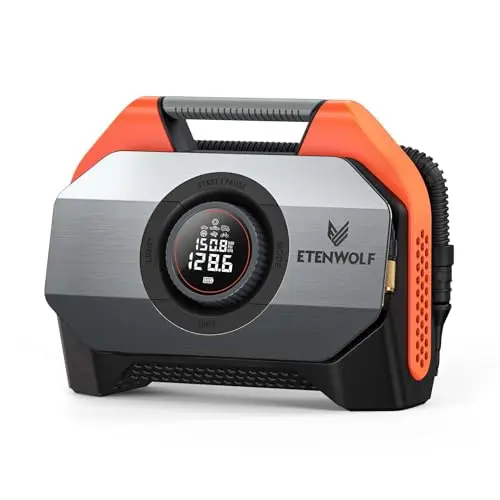
They can be excellent for quick tire top-offs and jobs far from an outlet, especially when you already own compatible batteries. Compare included batteries, runtime, recharge time, cold-weather storage guidance, and whether a 12V or corded backup is available.
How should a tank compressor be stored?
Follow the manufacturer’s shutdown, draining, cord, hose, and environmental instructions. Store it on a stable surface in a dry, ventilated area with controls and the tank drain accessible. Inspect for damage and release or retain pressure only as directed by the manual.
Final Buying Perspective
Choose around the work you perform most often. A dedicated tire inflator can be the most useful portable compressor for a driver, while a small oil-free tank model may better serve finish work and general garage tasks. Shoppers running demanding air tools should start with verified airflow needs and may be better served by the broader air-compressor category. Comparing honest operating specifications now prevents buying either an underpowered unit or more compressor than the garage can comfortably store.
Disclosure:
Compare portable air compressors by power source, airflow, tank design, and intended task.
Shop Portable Air Compressors on Amazon