Quiet Portable Air Compressors for Indoor Garage Workshops
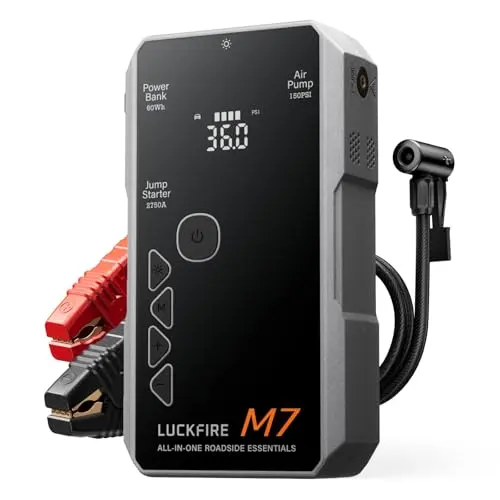
Choosing quiet portable air compressors becomes much easier when the decision starts with the real job, space, and operating limits. This guide explains what matters, how the main designs differ, and which specifications deserve attention before buying. It is written for garage users working near family rooms, neighbors, or shared walls, without assuming that one product style fits every garage.
Quick Answer
Choose a quiet portable compressor by published sound level, test conditions, airflow, recovery, vibration control, placement, and duty cycle. Confirm the exact model’s limiting specification and documented compatibility before comparing price. Follow its instructions for setup, inspection, operation, and storage; if capacity, fit, power, surface, or mounting conditions cannot be verified, keep the product off the shortlist.
Disclosure:
Define the exact job
The buying decision for Quiet Portable Air Compressors for Indoor Garage Workshops should begin with one written objective: reduce workshop noise while still supplying the required airflow and recovery for the actual indoor task. That objective is narrower and more useful than a popularity list because it defines the result the equipment must produce. A candidate that cannot document this core fit should leave the shortlist before price, color, or accessory count is considered.
Record published dBA and test distance, airflow at working pressure, motor speed, recovery time, duty cycle, vibration isolation, room surfaces, placement distance, and ventilation clearance. Use the manufacturer’s definitions and the actual garage or vehicle, not a memory or a nominal category label. Lay dimensions out with tape where helpful, and keep the measurement sheet beside the product instructions so every finalist is compared on the same basis.
Compare current portable air compressors options
Measure the limiting fit
The first warning pattern is that quiet becomes an unsupported adjective, a low sound number is quoted under incomparable conditions, or the unit is enclosed so tightly that cooling is compromised. Each problem can remain hidden when a shopper compares only one headline specification. Read the complete model documentation, identify the limiting value, and reject a product when the seller page and manufacturer instructions cannot be reconciled.
Compare two realistic situations. In the first, short indoor fastening or inflation in an attached garage where conversation and household disturbance matter. In the second, repeated tool cycles in a reflective concrete room where recovery duration matters as much as the peak sound level. The better design may change between them even though both shoppers search the same broad product term. That is why the intended task, location, and frequency belong in the comparison.
See quiet portable air compressors for different garage setups
Compare real-use scenarios
Walk through setup before buying: unpacking, placement or mounting, connection, adjustment, operation, shutdown, inspection, and storage. Identify what must remain accessible and what may move under load. The process should be repeatable without improvised blocks, adapters, restraints, or workarounds the manufacturer has not approved.
For quiet portable air compressors for indoor garage workshops, safety is not a separate final checkbox. It is the result of correct capacity, compatibility, surface or mounting conditions, power or load limits, and user procedure working together. Stop when the setup shifts, binds, overheats, trips, leaks, or behaves differently from the documented operation.
Browse portable air compressors by size and design
Plan setup and inspection
Inspect the delivered model before first use and at the intervals in its manual. Confirm labels, included parts, fasteners, locks, cords, surfaces, stops, fittings, and protective features as applicable. Damage, missing identification, or an unexplained model mismatch should be resolved before the product carries load or power.
Garage conditions add moisture, grit, road salt, oil, heat, cold, and accidental impacts. Clean with compatible products and store the equipment so weight, ultraviolet exposure, sharp edges, or tangled cords do not damage it. Maintenance preserves a suitable product; it cannot make an unsuitable specification safe.
Check prices on quiet portable air compressors
Pay for documented value
A worthwhile premium provides transparent sound-test information, low-vibration feet, slower motor operation when documented, useful airflow, thermal protection, and placement flexibility. Those benefits improve fit, reliability, or the likelihood of correct use. Broad labels such as professional, premium, universal, or heavy duty have little value without the model-specific numbers and instructions that support them.
Common mistakes include comparing dBA without distance, building an unventilated sound box, and accepting very slow recovery simply because the unloaded motor sounds pleasant. Convert those errors into a final rejection checklist and apply it before ordering. Amazon supplies current price, seller, availability, shipping, and return information; My Garage Products helps organize the fit questions but does not sell, ship, warranty, authenticate, or process returns.
Complete a final verification
Keep a one-page record for Quiet Portable Air Compressors for Indoor Garage Workshops: intended task, exact model, key measurements, limiting rating, required accessories, setup sequence, inspection points, and storage location. Update it when the vehicle, tool, floor, electrical supply, or garage layout changes. A documented setup is easier to repeat and easier for another household member to verify.
Before checkout, open the exact product instructions when available and compare them with the listing one last time. Confirm that all decisive specifications refer to the same model and configuration. If the answer depends on an assumption, treat the assumption as an unresolved requirement rather than filling the gap with a favorable guess.
Decision checklist
- Purpose: reduce workshop noise while still supplying the required airflow and recovery for the actual indoor task
- Measurements: published dBA and test distance, airflow at working pressure, motor speed, recovery time, duty cycle, vibration isolation, room surfaces, placement distance, and ventilation clearance
- Reject when: quiet becomes an unsupported adjective, a low sound number is quoted under incomparable conditions, or the unit is enclosed so tightly that cooling is compromised
- Useful value: transparent sound-test information, low-vibration feet, slower motor operation when documented, useful airflow, thermal protection, and placement flexibility
Building a connected garage setup
Use the Portable Air Compressors collection to compare the commercial options supporting this guide. The related Air Compressors collection provides the broader parent category, making it easier to coordinate compatible equipment instead of treating each purchase as an island. Contextual links between focused and broad collections help shoppers move from research to the right product set without losing the original task.
Plan neighboring equipment at the same time. Consider where tools, protective gear, fasteners, power, lighting, cleanup supplies, and manuals will live. A well-organized station shortens setup and makes inspection more likely. Leave room for replacement parts and future access; tightly packing every surface can make even good equipment frustrating to maintain.
Complete the compressed-air work area
A portable compressor becomes more useful when the surrounding system is planned with equal care. Match it with an appropriate air hose reel when longer hose reach and controlled storage are priorities. Use the garage tool storage collection to keep inflator fittings, couplers, gauges, and pneumatic accessories together. A stable workbench provides a practical service surface, while thoughtful garage lighting improves gauge reading and inspection around tires, fittings, and connections.
Continue the Portable Air Compressor Guide Series
Use the rest of this focused series to compare the other decisions that shape a practical compressor setup:
- Best Portable Air Compressors for Home Garages
- Portable Air Compressors for Tires: What Size Do You Need?
- Pancake vs Hot Dog Air Compressors
- Cordless vs Corded Portable Air Compressors
Then return to Portable Air Compressors to compare current product formats, or step up to the broader Air Compressors parent collection.
Frequently Asked Questions
What specification matters most for quiet portable air compressors?
Fit for the intended workload comes first. That usually requires checking several connected values rather than one headline number. Start with published decibel rating, motor speed, vibration control, recovery time, airflow, and placement, then confirm the manufacturer approves the exact application.
Is the largest or highest-rated option always better?
No. Extra capacity can add size, weight, cost, noise, or installation demands. A sensible reserve is valuable, but unused capability may make a product less convenient. Match the rating to realistic needs and conditions.
Can I install or set it up myself?
Many products support DIY setup, but the answer depends on mounting, electrical work, floor condition, vehicle procedure, and local requirements. Follow the instructions. Use a qualified professional whenever the work exceeds your tools or knowledge.
How should I judge durability?
Review construction, reinforcement, moving parts, protective surfaces, service instructions, warranty, and replacement components. Clear limits and documentation are more meaningful than vague industrial wording.
How often should garage equipment be inspected?
Inspect it before use and at intervals specified by its manufacturer. Harsh conditions or frequent use may justify more checks. Stop using a product with structural, electrical, locking, pressure, or surface damage that could affect safe operation.
Shop the Portable Air Compressors collection
What should be verified immediately before buying?
Verify published dBA and test distance, airflow at working pressure, motor speed, recovery time, duty cycle, vibration isolation, room surfaces, placement distance, and ventilation clearance. Then confirm that the exact model documentation supports the stated task: reduce workshop noise while still supplying the required airflow and recovery for the actual indoor task. Resolve any conflict between listing language, labels, and instructions before use.
Final Verdict
The best quiet portable air compressors is not determined by a universal ranking. It is the option whose dimensions, rating, design, and operating requirements match the real garage job. Begin with measurements, compare specifications on equal terms, and favor clear documentation over exaggerated claims. For garage users working near family rooms, neighbors, or shared walls, the most useful purchase will provide enough capability without making setup, storage, or safe operation unnecessarily difficult. Choose deliberately, install correctly, and inspect it as part of normal garage maintenance.
Balance sound with actual capacity: The portable compressor sizing guide helps confirm airflow, recovery, and duty cycle before noise becomes the deciding specification.