Tool Boxes Compared: Best Garage Power Tool Storage Solutions
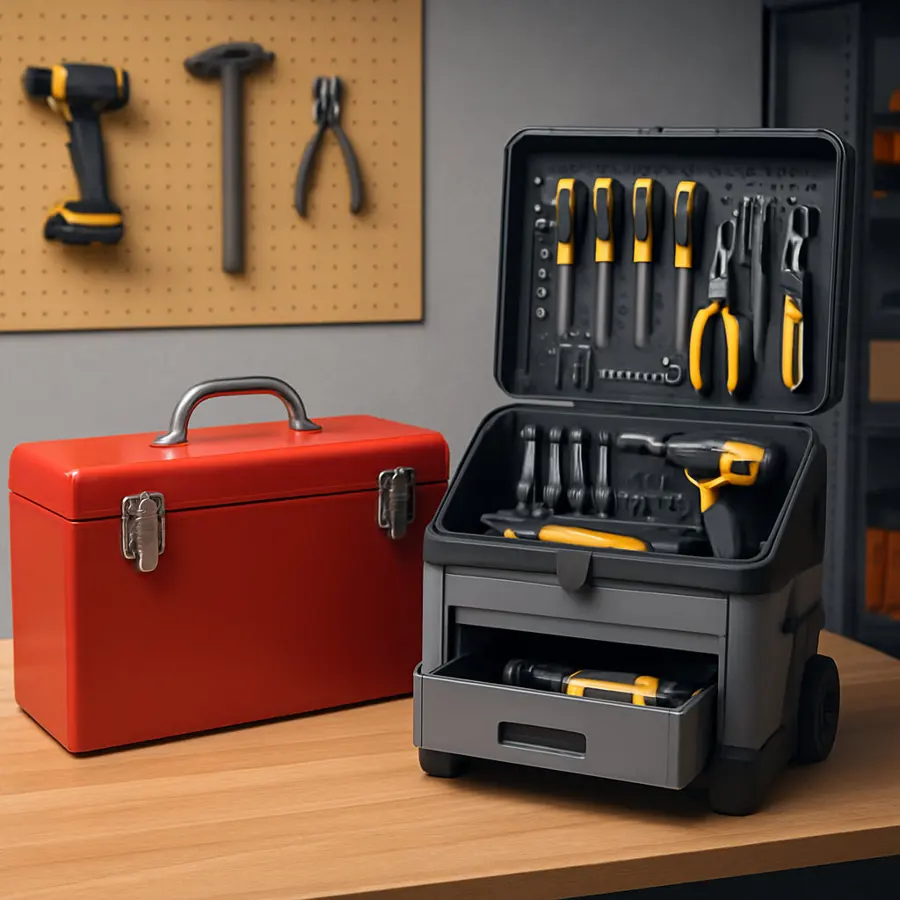
Comprehensive Comparison of Tool Boxes vs. Garage Power Tool Storage: Which Organization Solution Is Right for You?
Staying organized is essential for anyone who spends time in a workshop, handles home repairs, or simply wants a tidy garage. Whether you’re a professional contractor, hobbyist, or passionate about DIY, your tool organization directly affects your efficiency, safety, and work satisfaction. Two of the most popular solutions for organizing tools and equipment are Tool Boxes and Garage Power Tool Storage systems. Each meets different needs and comes with distinct advantages and limitations.
This comprehensive comparison explores everything you need to know about Tool Boxes and Garage Power Tool Storage: functionalities, types, materials, pros and cons, top considerations for purchase, and expert recommendations. By the end, you’ll have a clear understanding of which storage solution matches your lifestyle, the tools you own, your workspace, and your aspirations for a clutter-free environment.
Table of Contents
- Introduction
- Tool Boxes: Overview and Features
- Garage Power Tool Storage: Overview and Features
- Tool Boxes vs. Garage Power Tool Storage: A Head-to-Head Comparison
- Factors to Consider When Choosing Between Tool Boxes and Garage Power Tool Storage
- Summary Table: Quick Comparison Reference
- Expert Recommendations
- Conclusion & Next Steps
Introduction: Why Tool Storage Matters
A well-organized tool collection saves time, extends the life of equipment, and supports safe working conditions. When your hammer isn’t hidden under a pile of wrenches and your drills are always charged and ready, every project gains momentum. Choosing the right storage solution impacts:
- Efficiency: Retrieve tools quickly, finish projects faster.
- Protection: Prevent damage, rust, and wear.
- Safety: Reduce the risk of accidents caused by misplaced or hazardous tools.
- Space Optimization: Maximize usable space in your workshop, garage, or workspace.
While both Tool Boxes and Garage Power Tool Storage serve similar end goals, their approaches, benefits, sizing, and usage contexts differ. Let’s start by evaluating each solution in detail.
Tool Boxes: Overview and Features
What Are Tool Boxes?
Tool Boxes are portable, self-contained cases designed for storing, organizing, and transporting hand tools and, occasionally, small power tools. They are ubiquitous across households, job sites, and vehicles—from compact plastic kits to massive steel chests adorned with locks and wheels.
Key Features of Tool Boxes
- Portability: Most are designed for easy transportation, with ergonomic handles and sometimes wheels.
- Organization: Internal trays, dividers, and compartments sort small parts, fasteners, and hand tools.
- Security: Many feature robust locks or latches to protect valuable tools from theft or loss.
- Material Choices: Available in plastic (lightweight, affordable, rust-resistant) and metal (durable, heavy-duty, professional grade).
- Size Variation: Ranges from small, single-tray boxes for basic toolkits to chest-style boxes or stackable units for extensive collections.
Common Types of Tool Boxes
- Hand-Carry Tool Boxes: Small, lightweight, for home use or basic professional kits.
- Rolling Tool Chests: Large, multi-drawer, on wheels—ideal for garages or job sites with static setups.
- Cantilever Tool Boxes: Expanding, tiered trays for superior access and organization.
- Stackable Modular Systems: Interlocking units for customizable tool collections—ideal for contractors and advanced DIYers.
- Truck/Van Tool Boxes: Specialized for installation in work vehicles, ensuring tools are secure and accessible on the road.
Tool Boxes: Pros and Cons
-
Pros:
- Highly portable—bring tools to any location.
- Variety of sizes, styles, and prices to fit different users.
- Good for protecting tools during transport.
- Secures small parts and specialty tools easily.
- Minimal setup required—just pack and go.
-
Cons:
- Limited space for large or corded power tools.
- Can become heavy and cumbersome when packed with many tools.
- Organization is limited in basic models—risk of clutter inside.
- Frequent transporting may cause wear and tear.
Garage Power Tool Storage: Overview and Features
What Is Garage Power Tool Storage?
Garage Power Tool Storage refers to specially designed, stationary systems for organizing and storing power tools—such as drills, saws, grinders, sanders, and their related accessories. Unlike the mobile and compact nature of Tool Boxes, Garage Power Tool Storage is generally designed for permanent installation in garages, workshops, or tool sheds, providing more room and better accessibility for bulky or cordless equipment.
Main Features of Garage Power Tool Storage
- Custom Organization: Built-in rails, hooks, slots, charging stations, and shelves for easy access and tidy arrangement.
- Capacity: Accommodates multiple power tools, batteries, chargers, and sometimes accessories such as bits and blades.
- Durability: Made from heavy-duty steel, strong plastics, or high-quality wood composites for longevity.
- Fixed Placement: Wall-mounted, freestanding, or modular cabinet systems designed to stay in a single location.
- Charging Integration: Some units feature integrated power strips and cable channels for charging cordless tool batteries.
Types of Garage Power Tool Storage Systems
- Wall-Mounted Racks and Shelves: Store power tools vertically for quick identification and access.
- Bench-Mounted Charging Stations: Consolidate battery packs and chargers, minimizing cable clutter.
- Modular Cabinets: Combine drawers, cubbies, and shelving for complete garage organization.
- Pegboards and Track Systems: Highly adaptable, ideal for workshops with variable tool collections.
- Freestanding Shelving Units: Good for renters or those who need to reconfigure their space periodically.
Garage Power Tool Storage: Pros and Cons
-
Pros:
- Exceptional for organizing and displaying large, heavy, and cordless power tools.
- Can charge tools in-place, reducing downtime and battery disasters.
- Maximum visibility and accessibility—no ‘tool scavenger hunts’.
- Highly expandable for growing tool collections.
- Improves workspace aesthetics and safety by keeping tools off the floor.
-
Cons:
- Generally not portable—tools stay where the storage system is installed.
- Installation may require wall drilling or setup time/cost.
- Takes up dedicated garage or workshop space.
- Can be pricey compared to basic tool boxes.
- May require planning to integrate new or varied tool types.
Tool Boxes vs. Garage Power Tool Storage: A Head-to-Head Comparison
1. Portability
- Tool Boxes: Clear winner—designed for grab-and-go convenience. Ideal for professionals who travel or DIYers who work around the house or outdoors.
- Garage Power Tool Storage: Static—best suited for workshops or garages where tools stay put. Not intended for regular transporting.
2. Capacity & Size
- Tool Boxes: Range from compact to large but generally limited by what you can comfortably lift or transport. Not suitable for very large tools.
- Garage Power Tool Storage: Designed for bulk and volume—shelves and racks can handle large power tools, multiple batteries, and heavy-duty equipment.
3. Organization & Access
- Tool Boxes: Provide slots, trays, or dividers for hand tools and small parts. Some advanced systems offer modular organization, but most become cluttered over time.
- Garage Power Tool Storage: Excels in custom organization. Tools often visible and accessible at a glance, with options to hang, slot, or charge in place.
4. Security
- Tool Boxes: Feature lockable latches—can be secured and hidden in vehicles or closets for theft deterrence.
- Garage Power Tool Storage: Typically lacks integrated locks unless incorporated into cabinets; more about accessibility in a secure space than portable anti-theft protection.
5. Durability & Build Quality
- Tool Boxes: Metal tool boxes are extremely rugged, while plastic ones are lightweight and resistant to rust. May experience wear, scuffs, and dents during transport.
- Garage Power Tool Storage: Stationary use protects systems from accidental drops, but needs to handle tool weight over long periods. Frequently made of heavy-gauge steel or commercial-grade wood.
6. Space Optimization
- Tool Boxes: Great where space is limited or portable storage is necessary, like apartments, vehicles, or utility closets.
- Garage Power Tool Storage: Perfect for those with dedicated garage or workshop space who need a permanent, clutter-free installation.
7. Price Point
- Tool Boxes: Entry-level options start at modest prices; professional rolling chests or modular systems cost more.
- Garage Power Tool Storage: Initial investment is typically higher, especially for modular or wall-mounted setups and integration with power outlets.
8. Aesthetics and Professional Image
- Tool Boxes: Appearance varies—some look rugged and utilitarian, others are bright and easily identifiable on job sites.
- Garage Power Tool Storage: Contributes to a clean, professional, and impressive workshop environment. Customizable with colors, finishes, and labels.
Factors to Consider When Choosing Between Tool Boxes and Garage Power Tool Storage
Assess Your Storage Needs and Tool Inventory
- How many hand tools vs. power tools do you own?
- Do you frequently transport your tools, or do they primarily stay at home or in the workshop?
- Do you need to regularly charge cordless tools?
- Is your workspace static, or do you move from site to site?
- Do you share your space with other users, or require “on display” organization for quick access or client confidence?
Evaluate Your Available Space
- If you have a dedicated garage or workbench, Garage Power Tool Storage offers long-term optimization and visual organization.
- If you work from your truck, apartment, or need tools on job sites, Tool Boxes offer flexibility and convenience.
Security and Accessibility
- For tools left in vehicles or unsecured areas, a lockable Tool Box can deter theft.
- If your workspace is private and secure, open-access storage speeds up workflow and makes tool management easier.
Budget Considerations
- Basic Tool Boxes satisfy most beginners or occasional users at low cost.
- Investing in Garage Power Tool Storage pays off for serious hobbyists or professionals with extensive power tool collections.
Future Expansion
- Are you planning to expand your tool arsenal? A modular or highly expandable Garage Power Tool Storage system scales as you grow.
- For mobility with expansion, look at stackable modular Tool Box systems.
Summary Table: Quick Comparison Reference
| Feature | Tool Boxes | Garage Power Tool Storage |
|---|---|---|
| Portability | High | Low |
| Best For | Hand tools, small kits, mobile use | Large power tools, permanent setups |
| Capacity | Small to medium | Medium to large |
| Security | Lockable, transportable | Depends on system & location |
| Organization | Moderate | High/customized |
| Cost | Low to moderate | Moderate to high |
| Installation | Minimal | May require setup, mounting |
Expert Recommendations
When to Choose Tool Boxes
- Your work is mobile or you’re often on the go.
- You primarily use hand tools and only a few small power tools.
- You value privacy and security (e.g., tools left in vehicles).
- You have limited workspace or storage space.
- Your budget is tight, and entry-level organization is acceptable.
When to Choose Garage Power Tool Storage
- You own a significant collection of power tools with multiple batteries and chargers.
- Your workspace is dedicated and permanent.
- You need instant access and visual organization for efficiency.
- Charging management (integrated power strip or USB) is important to your workflow.
- You’re building or upgrading a professional, aesthetically pleasing workshop.
Hybrid Approaches: The Best of Both Worlds
For many, the optimal solution is a blend of both systems. Use robust Tool Boxes for mobile jobs and keep a tailored Garage Power Tool Storage setup for bulkier equipment and charging stations at home. Some brands create modular products specifically designed to work together—stacking Tool Boxes above a bench-mounted power tool rack, for example.
Conclusion & Next Steps
Choosing between Tool Boxes and Garage Power Tool Storage isn't always a question of one or the other. Both offer clear advantages for different contexts, tool types, and professional or personal needs. Tool Boxes excel in portability, essential for contractors, field technicians, and hands-on hobbyists needing a reliable way to transport and protect their gear. Garage Power Tool Storage, however, is the backbone of a high-functioning, efficient workshop, providing streamlined access, impressive organization, and seamless charging management for power tools that are best left in a single location.
Next steps:
- Take a full inventory of your tools and categorize them by frequency of use, type (hand or power), and size.
- Assess your workspace and decide how much real estate you can dedicate to stable vs. portable storage.
- Determine your budget, but remember that good organization pays long-term dividends in productivity, safety, and tool longevity.
- Browse reputable Tool Boxes and Garage Power Tool Storage options online or in-store—pay attention to reviews, photos, and capacity specifications.
- Consider a hybrid setup if you need both mobility and permanent storage for different tools.
Ready to transform your workspace into a model of efficiency? Explore our curated collections of industry-leading Tool Boxes and Garage Power Tool Storage solutions. Investing in the right storage system is investing in your craft—shop now to experience the organization, protection, and satisfaction you deserve!
Have questions or need a personalized recommendation? Contact our tool organization experts for tailored advice—let’s build the ideal storage setup for your needs.