Shop Vacs vs Pressure Washers: Which is Best for Cleaning?
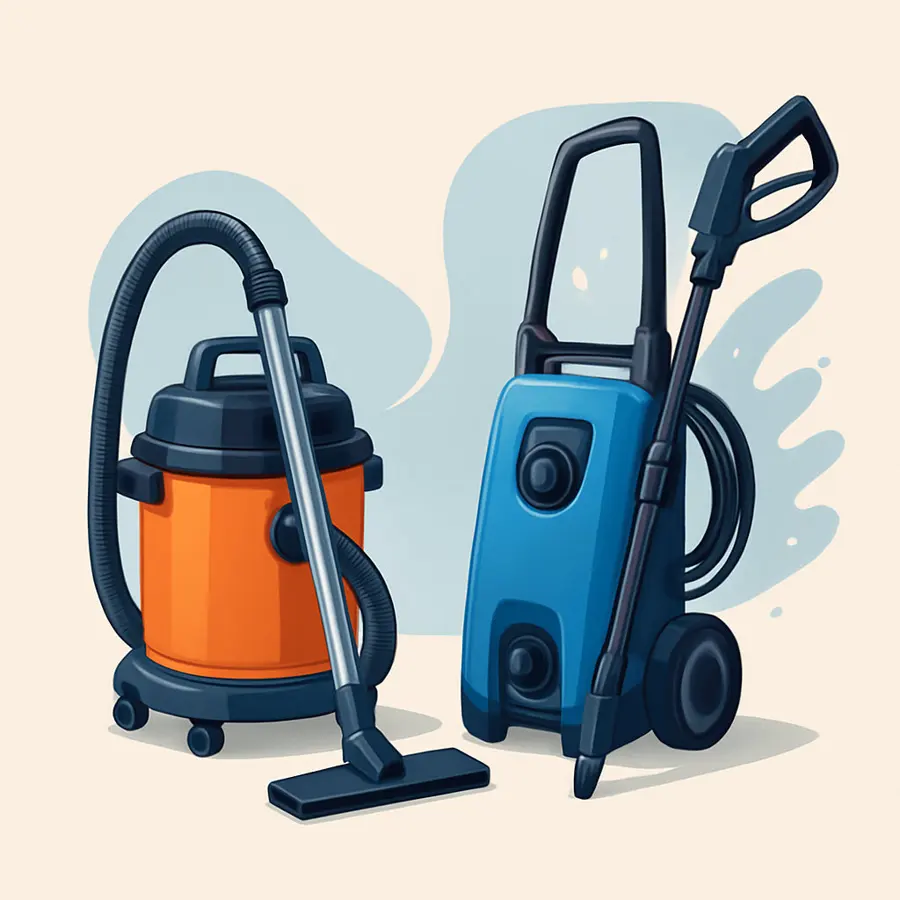
Shop Vacs vs. Pressure Washers: Which Cleaning Tool Best Suits Your Needs?
In the world of deep cleaning, two powerhouses stand out for their effectiveness and versatility: Shop Vacs and Pressure Washers. Whether you are tackling garage dust, workshop debris, outdoor grime, or stubborn stains, selecting the right equipment is crucial. Both tools are popular among homeowners, contractors, and professionals; however, their applications, benefits, and limitations differ greatly. In this comprehensive guide, we will compare Shop Vacs and Pressure Washers, explore their unique advantages, and help you determine which tool suits your cleaning requirements best.
Understanding the Basics
What Are Shop Vacs?
A Shop Vac, also known as a wet/dry vacuum, is a high-powered vacuum cleaner designed for heavy-duty tasks. Unlike traditional vacuums, Shop Vacs can handle both liquid spills and solid debris, making them a staple in workshops, construction sites, garages, and even households with substantial cleaning needs. Their key features typically include robust suction power, large tanks, various filter types, and a multitude of attachments.
What Are Pressure Washers?
Pressure washers use pressurized water for compatible outdoor surfaces such as some driveways, siding, and vehicles. Never operate a gasoline-powered pressure washer in a garage, carport, or enclosed or partly enclosed area—even with doors or windows open. Keep the engine outdoors and away from openings and air intakes, following CDC/NIOSH guidance. Electric models still require the correct circuit protection, drainage, nozzle, distance, and surface approval.
Key Features and Capabilities: A Direct Comparison
1. Cleaning Applications
- Shop Vacs: These vacuums excel at picking up everything from sawdust and nails to spilled liquids and mud. They can quickly clear workshop floors, empty gutters, suck up standing water, and even function as blowers for leaf piles.
- Pressure Washers: Designed predominantly for surface cleaning, Pressure Washers can dislodge built-on dirt, algae, paint, and oil stains from driveways, fences, exteriors, and patios. Some accessories enable them to clean cars, bikes, and outdoor furniture safely.
2. Mechanism and Operation
- Shop Vacs: Use a strong motor to create suction, drawing in solids and liquids through a hose into a collection drum. Filters separate debris from airflow, protecting the motor and the air quality.
- Pressure Washers: Pump water at high pressure through a narrow nozzle, intensifying the force with which the water leaves the machine. This action blasts dirt off surfaces, often requiring little physical scrubbing.
3. User Experience and Ergonomics
- Shop Vacs: Typically feature a portable, wheeled design, allowing easy movement across spaces. Hoses and extension wands increase reach, while a broad range of accessories adapt the vacuum to specific tasks (crevice tool, brush, wet nozzle, etc.). Operation is straightforward: select the right attachment, turn on the vac, and clean.
- Pressure Washers: Usually mounted on wheeled frames for easier transportation. Ergonomic spray guns, interchangeable nozzles, and sometimes detergent tanks simplify the process. Operation mainly involves connecting to a water supply, selecting the right nozzle, and aiming the high-pressure jet at the target surface.
4. Power and Performance
- Shop Vacs: Motor power ranges from 2 to 6.5+ peak horsepower, with tank capacities from 2 to 16+ gallons. Suction power is measured in air watts or CFM (cubic feet per minute), determining how effectively the vac picks up debris.
- Pressure and flow: Use the exact PSI and GPM ratings for the current model and match them to the surface manufacturer’s limits. Generic electric-versus-gas ranges can become inaccurate as product lines change.
Pros and Cons: Weighing Your Options
Shop Vacs: Strengths and Limitations
-
Advantages:
- Versatility: Handles both wet and dry messes—no switching devices for different cleaning types.
- Easy Maintenance: Simple to empty and clean, with readily available filters and bags.
- Accessory Variety: Wide range of hoses, filters, and attachments for specialized jobs.
- Indoor and Outdoor Use: Equally effective in basements, garages, vehicles, and outdoor areas.
- Blower Function: Many models can blow air to clear leaves or dust from hard-to-reach places.
-
Disadvantages:
- Not for Surface Stains: Limited effectiveness on ingrained grease, stains, or outdoor grime.
- Bulkiness: Larger models can be heavy and consume storage space.
- Noise: Generally louder than household vacuums, especially older models.
Pressure Washers: Strengths and Limitations
-
Advantages:
- Deep Surface Cleaning: Effective at removing years of build-up from concrete, siding, decks, and vehicles.
- Time Efficiency: Cleans large areas much faster than manual scrubbing.
- Adjustable Power: Nozzles and attachments allow customization for delicate or tough tasks.
- Improved Aesthetics: Restores surfaces to near-new appearance, boosting curb appeal.
-
Disadvantages:
- Water Supply Required: Needs access to a reliable water source.
- Potential Surface Damage: High PSI can damage sensitive materials if not used correctly.
- Storage and Maintenance: Often bulkier, requires regular pump and hose upkeep.
- Limited to Surface Cleaning: Cannot pick up solid debris or liquids for disposal.
Choosing the Right Tool: Use Cases and Scenarios
When to Use a Shop Vac
Shop Vacs are ideal when you need to clear up debris or spills, whether in your garage, car, workshop, or after a renovation project. If you frequently deal with sawdust, drywall dust, spilled drinks, mud, pet hair, or water leaks, a Shop Vac is indispensable. They are perfect for:
- Cleaning renovation mess (plaster dust, nails, broken tile)
- Unclogging sinks or draining small pools of water
- Automotive detailing (interiors, floor mats, liquid spills)
- Regular maintenance of workshops or hobby spaces
- Quickly tidying up after at-home crafts or kids’ projects
When to Use a Pressure Washer
Pressure Washers shine when outdoor surfaces, vehicles, or large fixtures have stubborn grime that regular cleaning cannot address. They are best for:
- Power-washing driveways, patios, decks, and walkways
- Cleaning exterior siding, brick, and fencing
- Removing moss, algae, and mildew from stone or concrete
- Washing cars, boats, bicycles, and RVs (using appropriate nozzles to avoid damage)
- Preparing surfaces for painting or staining by stripping old finishes
Head-to-Head: Feature Comparison Table
| Feature | Shop Vacs | Pressure Washers |
|---|---|---|
| Primary Function | Wet/dry debris pickup | High-pressure surface cleaning |
| Best Use Scenarios | Garages, workshops, automotive, home cleanup | Outdoor surfaces, vehicles, industrial/exterior cleaning |
| Power Source | Electric (mainly), battery, some gas | Electric or gas |
| Mobility | Wheeled, carryable, compact options | Wheeled, can be heavy (esp. gas models) |
| Water Requirement | No (unless vacuuming liquids) | Yes (constant supply needed) |
| Mess Handling | Solid and liquid pickup | Does not collect debris, just blasts off |
| Storage | Varies by tank size | Often requires significant space |
| Noise Level | High | High (especially for gas engines) |
| Special Functions | Blower, filtration, accessory range | Soap injectors, rotating nozzles |
| Price Range | $60–$300+ (varies with size/capacity) | $100–$500+ (electric to pro gas units) |
Cost and Value Considerations
Choosing between Shop Vacs and Pressure Washers is not just about features; cost and value also matter. Shop Vacs often have a lower starting price, especially for small or medium units. Maintenance is straightforward—mainly filter replacement and tank cleaning. Accessories can add functionality without great expense.
Pressure Washers, while relatively affordable in the light-duty electric range, become considerably pricier as you scale up PSI and water volume (usually with gas models). Maintenance includes not only cleaning nozzles and hoses but also winterizing pumps and engines. Accessory costs—like surface cleaners, extension wands, or specialty nozzles—should also be considered.
If your needs lean toward frequent, varied messes both wet and dry, Shop Vacs may offer the best value. If your primary concern is outdoor aesthetics and surface restoration, the investment in a Pressure Washer pays off handsomely.
Maintenance and Longevity
Maintaining Your Shop Vac
- Regularly empty the tank and dispose of debris properly
- Clean or replace filters as needed to maintain suction and prevent dust blowback
- Check hoses and attachments for blockages
- Inspect seals and gaskets if dealing with wet messes, ensuring they remain watertight
Maintaining Your Pressure Washer
- Flush out hoses and nozzles after each use to prevent clogs
- Store the washer in a dry space; winterize if temperatures drop below freezing
- For gas models, check oil levels and fuel quality regularly
- Inspect O-rings and fittings for wear and replace as needed
Safety Considerations
Both Shop Vacs and Pressure Washers are powerful machines and require respectful handling. When using a Shop Vac, always ensure proper electrical safety by keeping cords away from water, especially during wet vacuuming. Handle filters and waste disposal responsibly to prevent dust allergies or skin irritation. For fine dust (like drywall), use HEPA filters.
Pressure washers demand extra caution. A concentrated high-pressure stream can cause serious injection injury and rapidly damage paint, wood, seals, and other surfaces. Never direct it at a person or animal. Use only the nozzle, distance, pressure, footing, and protective equipment allowed by the machine and surface manufacturers.
Environmental Impact
Shop Vacs, when used with proper filtration, minimize dust emissions and allow easy containment and disposal of waste. However, disposing of hazardous materials (like lead-containing dust) requires compliance with local regulations.
Pressure Washers use significant water quantities, especially on large jobs. Environmentally friendly detergents are available, but runoff can carry contaminants into storm drains. Always check local guidelines for outdoor cleaning to minimize ecological impact.
Choosing Based on Your Cleaning Goals
Deciding between Shop Vacs and Pressure Washers comes down to identifying your routine cleaning challenges. Consider these questions:
- Do you frequently need to pick up or dispose of solid or liquid waste from floors, vehicles, or workspaces?
- Are your primary cleaning targets outdoor surfaces with embedded stains, mold, or grease requiring surface-level renewal?
- Is water accessibility a factor in your cleaning operations?
- Do you need portability and compact storage, or is heavy-duty power more important?
If your answer is “yes” to the first question, Shop Vacs are your go-to. If it’s “yes” to the second, Pressure Washers offer a better solution.
Integrating Both Tools: The Ultimate Cleaning Arsenal
For many property owners, the ideal approach is not either/or, but both. Using Shop Vacs and Pressure Washers as complementary tools creates a comprehensive cleaning arsenal. Shop Vacs first remove debris, dust, and liquids, paving the way for Pressure Washers to tackle ingrained stains and rejuvenate surfaces. This dual strategy is especially effective for property managers, automotive enthusiasts, and DIYers seeking professional-grade results with maximum efficiency.
Conclusion: Invest Wisely in Your Cleaning Power
Both Shop Vacs and Pressure Washers hold distinctive places in any cleaning toolkit. Their abilities, combined or standalone, allow you to address an extensive range of cleaning applications—from post-renovation dust and workshop spills to transforming your driveway or deck. Take precise stock of your regular needs, the nature of your messes, and your preferred level of physical effort.
If you seek versatility, debris disposal, and spill management, invest in a robust Shop Vac. For fast, effective, and transformative surface cleaning, Pressure Washers deliver unmatched results.
Visit our ecommerce store today to explore the top-rated models in both categories, discover exclusive deals, and learn more about how Shop Vacs and Pressure Washers can elevate your cleaning power. Our team is ready to assist you in choosing the perfect match for your needs—empowering you with tools that truly make a difference. Clean smarter. Clean better. Achieve professional results—every time.
Ready to take your cleaning routine to the next level? Check out our curated collection of Shop Vacs and Pressure Washers now!