Shop Vacs Comparison: Best Picks for Garage Tool Storage
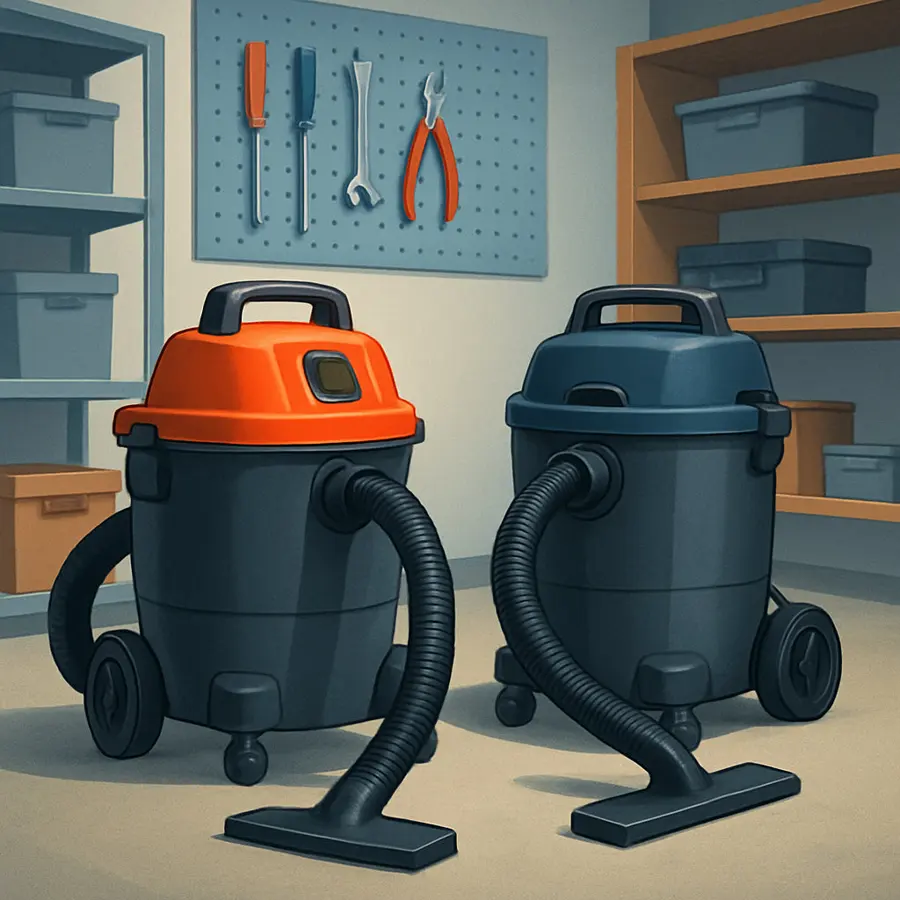
The Ultimate Comparison Guide: Shop Vacs vs. Garage Tool Storage Solutions
Maintaining an organized, clean, and efficient garage is a goal that many homeowners share. Whether you use your garage as a workshop, for vehicle storage, or as a place to keep your tools and outdoor equipment, having the right equipment can make all the difference. Two of the most essential components for any well-functioning garage are Shop Vacs and effective Garage Tool Storage systems. But which of these contributes most to your productivity? How do you choose the right one for your unique needs, and is it possible to combine both for the ultimate garage setup? In this comprehensive comparison guide, we’ll explore the features, benefits, and best use cases for shop vacuums and garage tool storage, arming you with the knowledge to make the best investment for your garage’s needs.
Understanding the Essentials: What Are Shop Vacs and Garage Tool Storage?
What Are Shop Vacs?
Shop Vacs, or wet/dry vacuum cleaners, are powerful and versatile cleaning appliances designed to tackle the most challenging messes found in garages, workshops, and construction sites. Unlike standard household vacuums, Shop Vacs are engineered to handle heavy-duty debris, liquid spills, and fine dust particles. They come in various capacities, motor strengths, and with a range of attachments, making them indispensable for both cleaning projects and job site maintenance.
What Is Garage Tool Storage?
Garage Tool Storage refers to the wide array of systems, organizers, cabinets, and solutions designed to store tools efficiently, protect valuable equipment, and maximize the use of garage space. Options vary from simple toolboxes and pegboard wall systems to modular cabinets, rolling carts, and wall-mounted racks specifically tailored for hand tools, power tools, and even sports equipment. A robust garage tool storage system can transform chaotic, cluttered spaces into organized and efficient work environments.
Side-by-Side Feature Comparison: Shop Vacs vs. Garage Tool Storage
When considering the functionalities and value of Shop Vacs and Garage Tool Storage, it helps to analyze them based on a series of essential factors. Let’s delve into a direct comparison of their features and benefits:
1. Primary Function and Utility
- Shop Vacs: Designed for cleaning. They excel at removing debris, dust, and liquids from floors, counters, vehicles, and project areas. Many models include specialized filters and attachments for different cleaning tasks, from fine sawdust extraction to water removal.
- Garage Tool Storage: Designed for organization and accessibility. These systems focus on storing, displaying, and protecting tools. A well-organized storage system helps prevent tool loss, reduces clutter, and enhances workflow efficiency by making every tool easily accessible.
2. Versatility and Adaptability
- Shop Vacs: Highly versatile, capable of handling wet and dry messes. Some units offer blowing functions, making them great for clearing leaves and debris. They can be used indoors, outdoors, in workshops, garages, cars, and even for emergency water extraction.
- Garage Tool Storage: Also versatile but in a different way. Storage solutions can be tailored to suit specific tools or activities—think adjustable shelving, magnetic strips for hand tools, or lockable cabinets for power tools and chemicals. Some systems are modular and expandable, adapting to growing tool collections.
3. Space-Saving Capabilities
- Shop Vacs: Occupy relatively small floor space, depending on their capacity. Some compact models are wall-mountable, saving valuable floor space in crowded garages.
- Garage Tool Storage: Arguably superior for maximizing garage space. Wall-mounted racks, vertical shelving, and ceiling storage systems free up room, while mobile carts can be tucked away when not in use. Proper storage solutions can potentially double the usable workspace by eliminating tool clutter.
4. Durability and Lifespan
- Shop Vacs: Built for rugged environments, most Shop Vacs feature impact-resistant tanks, sturdy wheels, and heavy-duty hoses. Their durability depends on build quality, maintenance, and frequency of use.
- Garage Tool Storage: Premium storage systems are crafted from powder-coated steel, heavy-duty plastics, or hardwoods, designed to withstand years of wear and tear. Lockable and weather-resistant options provide added protection against theft and moisture.
5. Maintenance Requirements
- Shop Vacs: Require regular maintenance such as filter changes, hose inspection, and tank cleaning. Proper upkeep ensures suction power and prolongs lifespan.
- Garage Tool Storage: Generally low-maintenance. Occasional cleaning and organization clear out dust and maintain order. Moving parts like drawer slides may require periodic lubrication for smooth operation.
6. Price Range and Value for Money
- Shop Vacs: Prices vary based on features, capacity, and brand. Compact models are budget-friendly, while commercial units are more costly but offer greater suction and durability. Value is measured in cleaning efficiency and time saved.
- Garage Tool Storage: Also spans a wide price range. Simple racks or pegboards are affordable, whereas modular cabinet systems can be a significant investment. However, the organizational and protective benefits often justify the cost, especially for enthusiasts and professionals.
In-Depth Analysis: Pros and Cons of Shop Vacs
Advantages of Shop Vacs
- Powerful Suction: Especially compared to traditional vacuums, Shop Vacs can handle heavy messes and large debris.
- Wet and Dry Capability: The ability to vacuum liquid spills is a game-changer for garages and workshops.
- Accessory Compatibility: Many come with a range of nozzles, filters, and hoses for varied tasks.
- Portability: Wheels and carry handles make them easy to maneuver.
- Multi-Use Functionality: Useful for car detailing, workshop cleaning, home renovations, and even unclogging drains (with appropriate models).
Disadvantages of Shop Vacs
- Noise: They can be much louder than household vacuums, which may be disruptive in quiet environments.
- Limited Storage Purpose: Shop Vacs don’t offer tool organization – they are exclusively for cleaning.
- Maintenance: Require ongoing filter, bag, and hose maintenance for optimal performance.
- Size/Storage: Larger models can occupy significant floor space if not wall-mounted.
In-Depth Analysis: Pros and Cons of Garage Tool Storage
Advantages of Garage Tool Storage
- Enhanced Organization: Everything has its place, which saves time and boosts productivity.
- Space Maximization: Wall- and ceiling-mounted solutions capitalize on unused space.
- Protection and Security: Secure cabinets and drawers shield tools from theft, damage, and dust.
- Customization: Modular systems adapt to specific needs or tool collections, and can grow with your hobby or business.
- Improved Safety: Storing sharp or hazardous tools properly minimizes accident risk, especially in households with children or pets.
Disadvantages of Garage Tool Storage
- Initial Cost: Premium or comprehensive systems represent a significant upfront investment.
- Setup Time: Design, assembly, and installation may require more effort than simply placing items on shelves.
- Limited Cleaning Function: Unlike Shop Vacs, these solutions don’t assist with debris or spill removal.
- Space Requirement: Some cabinets and units are large and may reduce available workspace if not planned carefully.
Use Case Comparison: When to Prioritize Shop Vacs or Garage Tool Storage
Your specific needs should guide your choice between Shop Vacs and Garage Tool Storage solutions, but often, a combination of both delivers the best results. Below, let’s explore where each option shines:
When to Prioritize Shop Vacs:
- Active Workshop Environments: Regular woodcutting, sanding, or automotive work creates dust and debris best managed by Shop Vacs.
- Cleaning as a Priority: If spills, dust, and messes occur frequently, a shop vacuum is essential for quick, efficient clean-up.
- Vehicle Detailing: Car interiors, mats, and trunks benefit from the suction and adaptability of Shop Vacs.
- Flooding/Spill-Prone Areas: Wet/dry capability is crucial in garages prone to water or chemical spills.
When to Prioritize Garage Tool Storage:
- Extensive Tool Collections: If you own a wide variety of hand, power, or specialty tools, proper storage becomes a top concern.
- Limited Garage Space: Well-designed storage can free up surfaces, floors, and pathways for safer, more efficient movement.
- Improved Workflow: Clear organization directly translates to time savings—no more searching for misplaced tools!
- Tool Protection: Those seeking to protect valuable or sensitive equipment from damage, loss, or dust will benefit most.
Integrating Shop Vacs and Garage Tool Storage for Maximum Efficiency
While this comparison highlights the unique strengths of Shop Vacs and Garage Tool Storage, the most effective garage setups feature both. Here are strategies for integrating these solutions seamlessly:
Space Optimization Tips
- Vertical Integration: Mount Shop Vacs on walls alongside pegboards or tool racks to keep floors clear for movement and larger projects.
- Mobile Solutions: Use rolling tool chests and carts for organizing fast-access tools, and pair them with mobile shop vacuums for a flexible, "go-anywhere" workflow.
- Zoned Organization: Dedicate zones within your garage for specific tasks: a clean-up station with the Shop Vac and cleaning supplies near the entrance, a tool wall for hand tools, and a secure cabinet for power tools.
- Overhead Shelving: Store rarely-used or seasonal items overhead, leaving wall and bench space available for daily-use items and cleaning equipment.
Practical Workflow Example
A home mechanic might start a project by rolling out a tool cart filled with required tools, grabbing the Shop Vac for a quick pre-clean of the vehicle or bay, and using a wall-mounted vacuum hose for spot cleaning throughout the job. Afterward, all tools return to their designated spots, and the Shop Vac quickly picks up any remaining debris before closing up for the day. This workflow maintains a safe, organized, and efficient working environment.
Best Practices for Selecting Shop Vacs and Garage Tool Storage Solutions
How to Choose the Ideal Shop Vac
- Assess Capacity Needs: Small models (2-6 gallons) work well for light-duty cleaning, while larger units (10-20+ gallons) suit busy workshops.
- Consider Motor Power: Higher horsepower translates to stronger suction for tough cleaning tasks.
- Evaluate Attachments: Ensure the vacuum includes the right nozzles and hoses for your primary cleaning tasks (crevice tools, brushes, extension wands).
- Check Noise Ratings: Some models offer quieter operation, which can be valuable in shared or residential areas.
- Filter Quality: HEPA or fine-filter options are important for those concerned about airborne dust or allergens.
- Mobility & Storage: Look for models with locking casters, wall-mount options, or cord/tool storage to simplify use and keep your garage neat.
How to Choose the Ideal Garage Tool Storage
- Inventory Your Tools: Before investing, list your tools and categorize by size, weight, and frequency of use. This will guide your storage requirements.
- Optimize for Space: Take measurements of your garage. Wall-mounted storage, corner shelves, and multi-tiered racks maximize space.
- Flexibility & Scalability: Modular systems can expand as your tool collection grows. Adjustable shelves and pegboard panels offer future-proof organization.
- Prioritize Security: For expensive or hazardous tools, consider lockable cabinets or drawers to increase safety.
- Material and Build Quality: Choose heavy-duty steel or tough plastics for longevity and resistance to impacts or humidity.
- Ease of Assembly: Check user reviews regarding installation complexity or consider professional installation for custom solutions.
Expert Tips: Maintaining a Clean and Organized Garage
- Routine Clean-Ups: Use your Shop Vac once a week to prevent dust and debris buildup.
- Regular Inventory: Twice yearly, review your tool storage, purge unused items, and reorganize to maintain efficiency.
- Label Everything: Labeling drawers, bins, and shelves keeps organization simple for the whole household.
- Utilize Lighting: Well-lit spaces are easier to clean and maintain—install overhead and task lighting near storage and workstations.
- Maintain Systems: Keep the Shop Vac in good working order through routine maintenance, and periodically tighten or inspect storage racks and cabinets.
Conclusion: Elevate Your Garage Experience with the Right Choices
A well-outfitted garage enhances every handyperson’s life. While Shop Vacs provide essential cleaning power for maintaining cleanliness and safety, Garage Tool Storage ensures that every tool is in its place, ready for use, and protected. Rather than viewing these options as competitors, see them as complementary solutions to your garage challenges.
By understanding the strengths and limitations of each, and employing best practices for their selection and integration, you can transform even the most cluttered space into a model of productivity and order. Whether you prioritize spotless floors or perfect organization, investing in both a quality shop vac and a tailored tool storage solution will pay dividends in saved time, reduced frustration, and improved project outcomes. Start your journey to an upgraded garage today—explore our top-rated Shop Vacs and Garage Tool Storage systems, and take the first step toward creating your dream workshop.
Ready to take control of your garage? Browse our curated selection of Shop Vacs and Garage Tool Storage products designed for homeowners, DIYers, and professionals alike. Your next project—and a cleaner, more organized space—begins here!