Pressure Washers vs Shop Vacs: Which Cleaning Tool Wins?
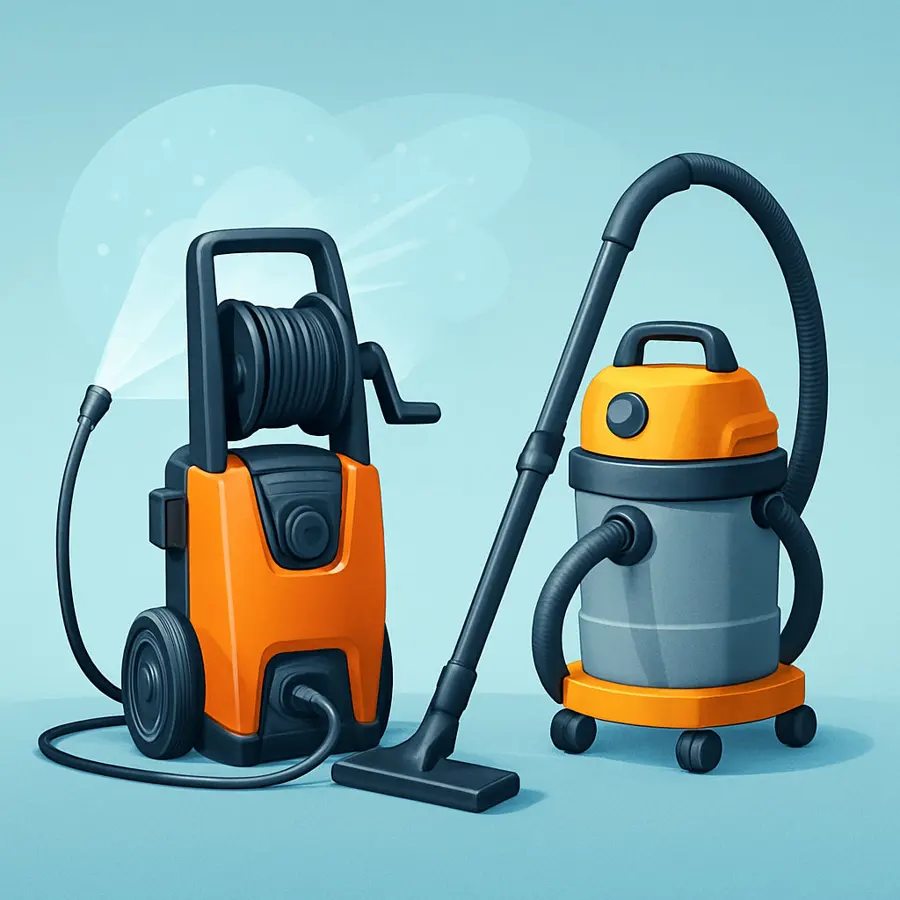
Pressure Washers vs. Shop Vacs: A Comprehensive Comparison for Your Cleaning Needs
When it comes to maintaining a clean environment—whether at home, in the workshop, or on a job site—choosing the right cleaning equipment can make a world of difference. Among the most powerful tools available, Pressure Washers and Shop Vacs stand out for their effectiveness and versatility. But which option suits your particular cleaning needs best? In this comprehensive comparison, we delve deep into the unique features, advantages, use cases, and considerations to help you make an informed decision. Whether you are a domestic user seeking to spruce up your patio or a professional looking to keep your workspace debris-free, understanding the nuances of each tool is key to achieving optimal results.
What Are Pressure Washers?
Pressure washers use pressurized water for compatible outdoor cleaning tasks. Never operate a gasoline-powered model in a garage, carport, or enclosed or partly enclosed area—even with doors or windows open. Keep the engine outdoors and away from openings and air intakes, as directed by CDC/NIOSH guidance. For an electric model, the manual, electrical supply, drainage plan, and surface maker must all permit the job.
How Pressure Washers Work
The core functionality of a pressure washer lies in its ability to amplify ordinary water flow using a high-pressure pump. The water is delivered through a reinforced hose and exits via a trigger-operated spray gun. Various nozzles or attachments allow the user to adjust the spray pattern and pressure, making the tool suitable for delicate or heavy-duty jobs. By blasting away contaminants with sheer force, Pressure Washers excel at removing stubborn, stuck-on debris that regular hoses or manual scrubbing often cannot tackle.
Key Benefits of Pressure Washers
- Exceptional Cleaning Power: Able to dislodge tough mud, mold, moss, grease, or even peeling paint from surfaces.
- Time Efficiency: Cleans large exterior areas (decks, driveways, fences) much faster than manual methods or garden hoses.
- Versatility: Multiple nozzles and detergent tanks for cleaning cars, boats, bikes, outdoor furniture, and more.
- Eco-friendly: Can reduce the need for harsh chemical cleaners due to the pure mechanical force of water.
- Cost-Effective in the Long Run: By maintaining property exteriors effectively, you can extend their lifespan and minimize costly repairs.
Typical Applications
- Washing vehicles, bicycles, and boats
- Cleaning patios, decks, and driveways
- Restoring garden furniture
- Removing graffiti from walls
- Prepping surfaces for painting or sealing
What Are Shop Vacs?
Shop Vacs, also known as wet/dry vacuums, are heavy-duty cleaning devices engineered to tackle a wide range of messes, both wet and dry. Unlike conventional household vacuums, Shop Vacs boast higher suction power and robust construction, making them indispensable tools in workshops, garages, construction sites, and even homes that demand powerful cleaning capabilities.
How Shop Vacs Work
Shop Vacs employ a powerful motor that generates a strong air flow to suck up debris, liquid spills, sawdust, and other particulates. These vacuums often come with large, durable tanks that can accommodate significant volumes of waste, as well as a variety of attachments such as hoses, nozzles, and filters tailored to different cleaning scenarios. Their wet/dry functionality means Shop Vacs can swiftly transition between vacuuming sawdust in a woodshop and extracting water from flooded basements.
Key Benefits of Shop Vacs
- Dual Functionality: Handles both wet messes (spills, floods) and dry debris (dust, crumbs, metal shavings).
- Heavy-Duty Performance: Designed to tackle larger particles, heavy debris, and challenging messes beyond the scope of standard vacuums.
- Flexibility With Attachments: Comes with crevice tools, extension wands, and floor nozzles for versatile cleaning.
- Portability & Durability: Built with sturdy materials to endure tough environments, often mounted on wheels for easy movement.
- Ideal for Post-Project Cleanup: Perfect for clearing construction debris, workshop byproducts, or even unclogging sinks.
Typical Applications
- Vacuuming sawdust, dirt, and debris in workshops or garages
- Cleaning up after home improvement projects
- Extracting water from carpets or hard floors after spills or flooding
- Clearing out fireplaces or BBQ ashes (with appropriate filters)
- Unclogging drains with special accessories
Head-to-Head Comparison: Pressure Washers vs. Shop Vacs
Both Pressure Washers and Shop Vacs possess unique strengths, but they cater to distinct cleaning scenarios. Making the best choice requires considering several key attributes:
1. Cleaning Power & Mechanism
- Pressure Washers: Rely on high-pressure water jets to remove dirt at the surface level. Tough, caked-on contaminants and stains that resist manual efforts are quickly dislodged.
- Shop Vacs: Use suction to extract and contain debris, dust, and liquids. These are ideal for dealing with messes that need to be collected and disposed of, especially when wet or granular substances are involved.
2. Type of Mess Each Tool Handles
- Pressure Washers: Best for removing dirt, mold, stains, moss, and paint from solid surfaces (concrete, wood, vehicles, siding).
- Shop Vacs: Handle a broad spectrum of debris, from fine dust and pet hair to large shavings and spilled liquids. Shop Vacs can clean the interiors of vehicles or suck up water from a flooded room, which a pressure washer cannot do.
3. Versatility
- Pressure Washers: Greater versatility for outdoor and hard-stain cleaning. Attachments help tackle vehicles, outdoor gear, and even certain indoor surfaces that can handle moisture.
- Shop Vacs: Unparalleled for indoor and garage cleaning due to their ability to handle both dry and wet messes, as well as adjust to tight corners and awkward spaces.
4. Surface Compatibility
- Pressure Washers: Designed for use on hardy, moisture-resistant surfaces only. Risk of damaging delicate materials, electronics, or interior furnishings.
- Shop Vacs: Safe for use on all surfaces, including carpets, hardwoods, tiles, and upholstery. Simply switch attachments as needed, and there's minimal risk of surface damage.
5. Portability & Ease of Use
- Pressure Washers: Range from compact, lightweight electric models to heavy-duty, trailer-mounted gas versions. Mobility is affected by cord/hose length and water supply accessibility.
- Shop Vacs: Usually equipped with carry handles and casters for effortless maneuverability. Cord length and tank size determine operating range, but Shop Vacs are typically easier to move and store.
6. Maintenance and Upkeep
- Pressure washers: Follow the manual for depressurizing, hose and nozzle inspection, pump care, and cold-weather storage. Gasoline-powered machines also require engine maintenance and must be operated outdoors only.
- Shop Vacs: Routine filter replacement and tank cleaning help maintain performance. Wet/dry filters and bags may need to be swapped depending on the cleaning task.
7. Cost Considerations
- Pressure Washers: Prices vary widely based on power source (electric vs gas), pressure rating, and tank capacity. Entry-level models may cost as little as $100, while professional-grade units can exceed $1,000.
- Shop Vacs: More budget-friendly, with reliable units available from as little as $50 to a few hundred dollars for specialty models. Operating costs are generally lower.
8. Safety Concerns
- Pressure Washers: Requires caution: high-pressure water can cause injury or damage surfaces if misused. Wearing protective gear is advised.
- Shop Vacs: Generally safer, though it's important to ensure wiring and outlets are suitable for wet vacuuming. Filter compatibility must be checked when vacuuming hazardous or fine dust.
Choosing the Right Tool: Key Decision Factors
When to Choose a Pressure Washer
- Outdoor Projects: You need to clean driveways, patios, brickwork, or exterior siding quickly and thoroughly.
- Heavy Stains: You're tackling built-up island grime, moss, or graffiti that would resist regular cleaning.
- Surface Preparation: You want to prep surfaces for painting or refinishing by stripping away old finishes or contaminants.
Pressure Washers are your go-to equipment for maximizing cleaning speed and effectiveness outdoors, particularly when a simple mop or broom won't suffice.
When to Choose a Shop Vac
- Workshops & Garages: You regularly deal with sawdust, shavings, or wet, slushy messes.
- Indoor Spills & Floods: Quick response to accidental liquid spills is crucial.
- After Renovations: Cleaning up dust, plaster, nails, or drywall debris post-project is necessary.
- Versatile Household Cleaning: From unclogging sinks to cleaning your car’s interior, Shop Vacs excel where a traditional vacuum can’t operate efficiently.
Which Tool Offers More Value?
Value is measured by how well a tool matches your specific requirements while offering long-term reliability. In most cases, Pressure Washers and Shop Vacs serve different, sometimes complementary, purposes.
- Buy a Pressure Washer if: Outdoor deep-cleaning tasks are frequent, and you have stubborn, stuck-on dirt to remove.
- Buy a Shop Vac if: You demand adaptability for both indoor and outdoor tasks, especially those involving both wet and dry debris.
- For Ultimate Versatility: Many professionals and meticulous homeowners maintain both in their cleaning toolkit to ensure they’re prepared for any scenario.
Popular Features to Consider
Selecting the ideal Pressure Washer or Shop Vac means evaluating features that align with your expectations:
Top Features in Pressure Washers
- Pressure Output: Measured in PSI and GPM; higher values mean stronger cleaning power.
- Adjustable Nozzles: Permit a range from pinpoint to fan-shaped sprays.
- Integrated Detergent Tanks: Streamlines the cleaning of particularly greasy or grimy surfaces.
- Portability: Lightweight models for easy movement around the home.
- Durable Pump Materials: Brass or aluminum pumps outlast plastic counterparts.
Top Features in Shop Vacs
- Large Tank Capacity: Accommodates extensive cleaning sessions without frequent emptying.
- Powerful Motor: Measured in peak horsepower (HP) for maximum suction.
- Wet/Dry Capability: Enhances overall versatility and application breadth.
- Quality Filtration Options: HEPA and foam filters offer protection from dust and allergens.
- Range of Accessories: Hoses, wands, and brush tools allow for customized cleaning.
Environmental Considerations
As eco-consciousness grows, users are increasingly looking for cleaning equipment that supports sustainable practices.
- Pressure Washers: Use substantially less water than a garden hose for large area cleaning. Selecting models with efficient pumps and adjustable spray heads supports water conservation.
- Shop Vacs: Help with safe disposal of hazardous materials and minimize airborne dust. Employing washable, reusable filters further reduces waste.
Expert Tips for Safe and Effective Use
Pressure Washer Guidelines
- Always read the manufacturer's manual and adhere to safety instructions.
- Test your chosen pressure on a small, inconspicuous area before tackling the entire surface.
- Adjust nozzle types to suit the surface—narrow jets can damage wood or brick if misapplied.
- Maintain hoses and fittings to prevent leaks and accidental bursts.
- Store units in a dry location, and drain water before freezing weather to avoid pump damage.
Shop Vac Best Practices
- Empty the tank regularly to ensure sustained suction and hygiene.
- Switch to the correct filter before vacuuming wet materials.
- Clean or replace filters following the manufacturer's timetable.
- Check for blockages or damaged hoses, which can impair performance.
- When vacuuming fine dust or potentially hazardous material, always use an appropriate filtration system.
Conclusion: Which Tool Is Right for You?
In the debate between Pressure Washers and Shop Vacs, the decision ultimately hinges on your primary cleaning needs, the environments you maintain, and the types of messes you confront most often. Pressure Washers are unmatched for rapid outdoor cleaning and tackling deeply embedded grime, while Shop Vacs are indispensable for versatile, indoor/outdoor cleanup—especially when wet and dry messes are involved.
If you regularly restore vehicles, patios, or commercial exteriors, investing in a robust pressure washer may revolutionize your cleaning routines. On the other hand, homeowners, DIY enthusiasts, and professionals striving for a dust- and debris-free space will benefit from the reach and flexibility of a well-equipped Shop Vac. For many, owning both offers complete peace of mind and preparedness for any challenge.
Ready to upgrade your cleaning arsenal? Explore our curated selection of Pressure Washers and Shop Vacs today to discover the perfect fit for your space, needs, and budget. Take the first step toward effortless, efficient cleaning by choosing high-quality tools that are as tough as your toughest messes.
Shop smart. Clean better.