Overhead Garage Storage vs Garage Storage Racks: A Complete Comparison
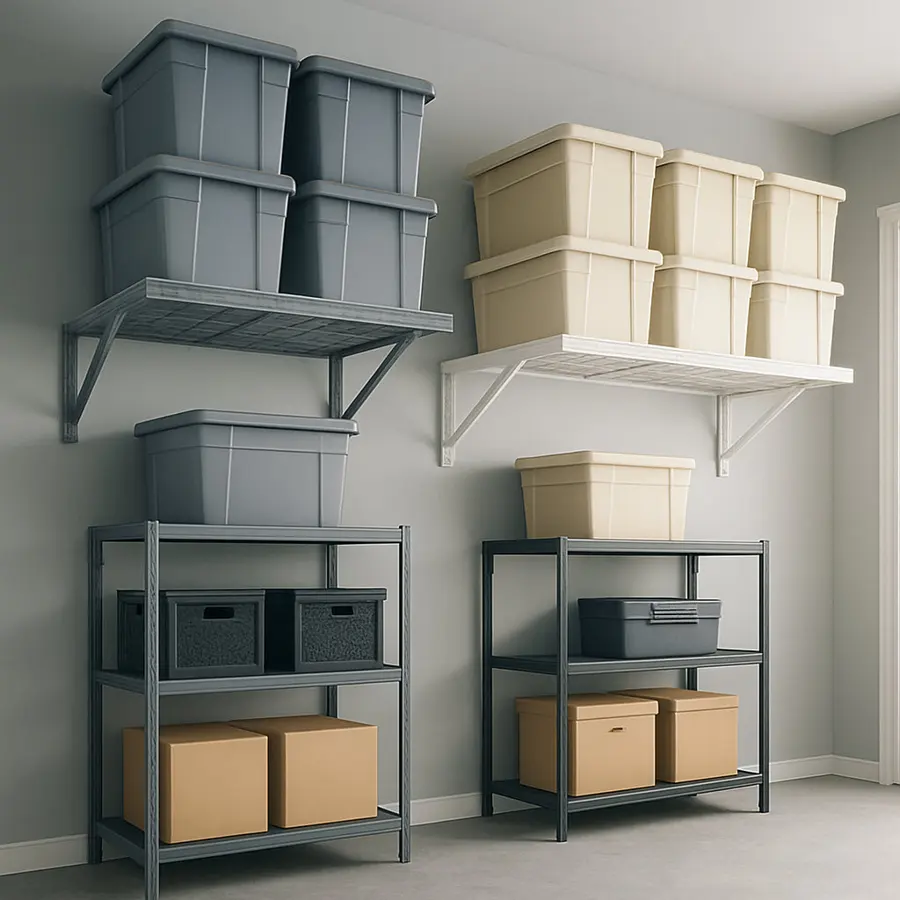
Maximizing Garage Space: Comparing Overhead Garage Storage vs. Garage Storage Racks
A clutter-free and organized garage is the dream of every homeowner. Unfortunately, for many, the garage becomes an overflowing storage unit rather than a functional workspace or vehicle shelter. With the rise of DIY home improvement and efficient storage solutions, garage organization has seen remarkable innovation over the years. Two leading systems—Overhead Garage Storage and Garage Storage Racks—have garnered popularity for their space-saving prowess. But which is the best fit for your needs? In this comprehensive comparison, we’ll explore the benefits, drawbacks, practical applications, installation concerns, and cost-effectiveness of these two storage methods. Read on to discover how each can transform your space and learn which solution is ideal for your unique garage organization goals.
Understanding the Storage Challenge in Modern Garages
Before delving into a head-to-head comparison, it’s critical to identify why proper garage storage is a necessity. Garages often become the go-to space for all sorts of items: tools, sports equipment, seasonal decorations, gardening supplies, and household overflow. When left unorganized, this can lead to:
- Limited accessibility and visibility
- Difficulty parking vehicles
- Potential safety hazards due to clutter or tripping risks
- Damage to items stored haphazardly
Choosing the right storage method improves not only the aesthetic appeal of your garage but also its safety and functional value.
What is Overhead Garage Storage?
Overhead Garage Storage refers to storage systems that utilize the often underutilized ceiling space in your garage. These typically consist of racks, shelves, or platforms mounted securely to the ceiling. They’re designed to free up valuable floor and wall space by suspending items above head level, perfect for stowing away infrequently used items or those that are awkward to fit elsewhere.
Types of Overhead Garage Storage
- Fixed Overhead Racks: Stationary platforms screwed into ceiling joists for long-term storage.
- Adjustable Overhead Systems: Modular units allowing height or position adjustments according to your needs.
- Motorized Ceiling Platforms: Lift systems operated via remote, enabling convenient access to heavy items without ladders.
Advantages of Overhead Garage Storage
- Maximizes Unused Space: Utilizes ceiling area, leaving walls and floor open for other uses.
- Ideal for Seasonal or Bulky Items: Perfect for items you access only a few times per year (e.g., holiday decorations, camping gear).
- Reduces Clutter: Keeps less-used items out of the way, resulting in a cleaner, more organized space.
- Improves Accessibility: Motorized or adjustable systems allow you to access heavy items safely without heavy lifting.
Potential Drawbacks of Overhead Garage Storage
- Installation Complexity: Typically requires professional installation, particularly for heavy-duty or motorized systems.
- Weight Limits: Ceiling joists can support only so much weight, restricting the types of items you can store.
- Ceiling Height Requirements: Not ideal for garages with low ceilings, as storage may impede movement or vehicle clearance.
- Access: Retrieval can be inconvenient for manually mounted systems, especially for heavier items.
What are Garage Storage Racks?
Garage Storage Racks encompass a broad range of shelving and racking systems designed for wall or floor mounting within a garage. These include freestanding shelves, wall-mounted racks, slatwall systems, pegboards, and even modular cabinetry. Their primary goal is to organize items along the perimeter or on the floor of your garage, providing quick and easy access to frequently used equipment and storage bins.
Types of Garage Storage Racks
- Freestanding Shelves: Moveable units that require no permanent installation.
- Wall-Mounted Racks: Systems attached to studs or concrete walls, such as heavy-duty steel shelves.
- Slatwall or Pegboard Systems: Customizable walls with hooks, baskets, and bins for organizing tools and smaller items.
- Heavy-Duty Utility Racks: Special racks for storing bicycles, ladders, or yard tools vertically.
Advantages of Garage Storage Racks
- Easy Accessibility: Items are stored at arm’s reach, making retrieval effortless.
- Flexible and Modular: Many systems can be easily expanded or reconfigured as storage needs change.
- Simple Installation: Options range from no-install freestanding shelves to quick-mount wall racks suitable for DIYers.
- High Weight Capacity: Floor-based racks can accommodate heavier tools or supplies.
- Customization: Organize by category, frequency of use, or size—options are nearly limitless.
Potential Drawbacks of Garage Storage Racks
- Consumes Floor or Wall Space: May reduce available parking or workspace.
- May Look Cluttered: Without careful organizing and labeling, shelves can look messy or become overcrowded.
- Limited Use for Infrequent Items: Everyday access can be a benefit, but less used items might take up valuable accessible space.
- Potential Safety Hazards: Racks must be loaded per manufacturer specs to avoid tipping or falling hazards.
Comparative Analysis: Overhead Garage Storage vs. Garage Storage Racks
Space Utilization
Overhead Garage Storage is unmatched in maximizing unused space above your head, essentially creating “bonus” storage that doesn’t interfere with routine garage activity. It’s an excellent choice for smaller garages or those needing to keep the floor open for vehicles or workbenches. Garage Storage Racks make efficient use of vertical and horizontal wall space, but they do occupy some portion of your floor area, which can limit movement or reduce parking capacity.
Weight Capacity and Item Suitability
Both systems can handle substantial weight loads, but with specific guidelines. Overhead solutions must respect ceiling joist capacity—typically supporting between 250 to 600 lbs depending on design and installation quality. These are best for lightweight to moderate items stored in sealed bins. Heavier equipment, large power tools, or containers filled with liquids are better suited for robust floor-based Garage Storage Racks, some of which can support over 1000 lbs per shelf.
Accessibility
Ease of access favors Garage Storage Racks. Everything is readily visible and reachable, especially items used frequently. Smaller hand tools, fasteners, or sports equipment thrive in open racking systems or on slatwall hooks. Overhead Garage Storage shines for long-term or seasonal storage, though advanced motorized shelves can bridge the access gap by lowering bins to ground level with a remote.
Organization and Customization
Customization options for Garage Storage Racks are nearly endless—organizational accessories abound, and the systems are adaptable as your storage needs evolve. Hooks, baskets, labeled bins, and specialty racks allow for categorization and quick sorting. Overhead Garage Storage is somewhat less customizable—while you can define bin or platform size, ceiling-mounted space is inherently more restrictive when it comes to configuration.
Installation and Maintenance
Garage Storage Racks generally provide quicker, easier installation. Many freestanding and modular systems require minimal tools, while wall-mount units demand only basic DIY know-how. Overhead Garage Storage almost always necessitates professional installation, particularly for systems handling heavy loads. Ongoing maintenance for both systems is minimal, though regular inspections of ceiling anchors or rack fasteners are critical to ensure safety.
Safety Considerations
- Ceiling-mounted units must be installed into joists or beams, not just drywall or plasterboard.
- Both methods require proper load distribution and routine monitoring for signs of fatigue, sagging, or wear.
- Floor-based racks shouldn’t block pathways or emergency exits, and tall racks should be anchored to prevent tipping.
Cost Comparison
Cost is a vital consideration for most homeowners. Garage Storage Racks start as low as $50 for basic shelves, with expandable modular racks or wall systems ranging from $100 to $500. High-end custom cabinetry or specialty racks push the upper range higher. Overhead Garage Storage systems start around $100 for DIY kits but can reach $500 or more for professional, heavy-duty, or motorized installations. Factoring in installation costs is essential—overhead systems are generally more expensive due to labor and materials.
Best Use Cases for Overhead Garage Storage and Garage Storage Racks
When to Choose Overhead Garage Storage
- You need to store items you seldom access (e.g., seasonal decor, out-of-season sports gear, old files).
- You have limited floor or wall space remaining but ample vertical room above your vehicle clearance.
- Your garage ceiling structure can safely support the intended load and professional installation is feasible.
- You want to declutter the space for vehicle parking or larger projects without losing storage capacity.
When to Choose Garage Storage Racks
- You have an abundance of frequently-used items—tools, hardware, gardening supplies, hobby equipment—requiring quick, daily access.
- You need flexible, easily reconfigured systems as your storage needs change over time.
- Your garage walls or floor can accommodate dedicated storage real estate, and you want to avoid ceilings altogether.
- You prefer a solution you can install yourself with basic tools and skills.
Integrating Both Solutions for Maximum Efficiency
Many homeowners find the best results from combining both Overhead Garage Storage and Garage Storage Racks. This hybrid approach maximizes all available real estate:
- Store boxes of memorabilia or seasonal items overhead, freeing up space below.
- Keep hand tools, cleaning supplies, and small parts within easy reach on racks and shelves.
- Designate specialty racks for bikes, yard tools, or hobby gear along perimeter walls, while overhead platforms act as an attic for overflow storage.
Thoughtful organization—paired with clear labeling, regular decluttering, and smart use of both vertical and overhead real estate—can completely transform even the most chaotic garage.
Expert Tips for Planning Your Garage Storage Upgrade
- Take Inventory: List all items you want stored in the garage. Sort by weight, frequency of use, and sensitivity (fragile, flammable, etc.).
- Map Your Space: Measure available floor, wall, and ceiling areas—remember to factor in vehicle clearance, door swings, and garage doors.
- Select for Safety: Check your ceiling joists’ load ratings and wall structure before choosing heavy racks or platforms.
- Plan Zones: Dedicate areas for sports, tools, garden, and seasonal storage. Use color-coded bins or labels for quick identification.
- Install for Accessibility: Place high-frequency items within arm’s reach and long-term items overhead or in more remote areas.
- Budget Responsibly: Determine your budget, including installation and potential upgrades, for a solution fitting both your needs and wallet.
Safety and Maintenance Tips
Ensuring your new storage system remains safe, efficient, and durable is crucial. Here are tips to help you maintain both Overhead Garage Storage and Garage Storage Racks:
- Inspect all mounting hardware at least annually for signs of loosening, rust, or structural stress.
- Evenly distribute weight—never overload overhead racks or shelves, and adhere to manufacturer load ratings.
- Avoid storing hazardous materials overhead, especially liquids or chemicals that could leak onto vehicles or workspaces.
- Secure all tall racks to the wall to prevent shifting or tipping due to accidental bumps or earthquakes.
- Regularly declutter and reorganize as storage needs and seasons change.
Frequently Asked Questions
1. Can I install overhead storage in any type of garage?
Overhead storage can be installed in most standard garages with sufficient ceiling height and sturdy joists, but it's essential to consult a professional for safe load limits and installation best practices.
2. Are there garage racks suited for small garages?
Absolutely. Many wall-mounted or compact freestanding racks are designed specifically for smaller spaces, providing efficient storage without sacrificing floor area.
3. What are the key differences in maintenance?
Both systems require regular inspection and occasional cleaning. Overhead units demand extra vigilance for secure ceiling attachment, while floor racks need to be checked for leveling and wall anchors.
4. Can both systems increase my home’s resale value?
A well-organized garage is a significant selling point for potential homebuyers. Professionally installed, sturdy storage solutions can improve both function and perceived value.
Conclusion: Choosing the Right Garage Storage Solution for You
Selecting between Overhead Garage Storage and Garage Storage Racks is not a one-size-fits-all decision. Your choice should reflect your unique storage needs, garage dimensions, preferred accessibility, and budget. Overhead systems excel in maximizing rarely used ceiling space for seldom-needed items, keeping your floor and walls free for vehicles or projects. In contrast, garage racks serve best for organizing tools, supplies, and items you use every week, all within arm’s reach.
For many households, a thoughtfully combined system delivers the best results—a clean, safe, and functional garage, tailored to your lifestyle. Whether your focus is on transforming a cluttered space into an efficient workshop, reclaiming room for your vehicles, or simply bringing order to chaos, investing in a high-quality storage system is a decision that supports wellbeing, encourages healthy organizational habits, and increases the enjoyment and value of your home.
Ready to take the next step? Explore our curated selection of premium overhead storage platforms and state-of-the-art garage racks today. Need expert guidance? Contact our team of storage specialists for a personalized consultation and let us help you unlock the full potential of your garage.