Gladiator Garage Storage vs Rubbermaid: Which Is Best for You?
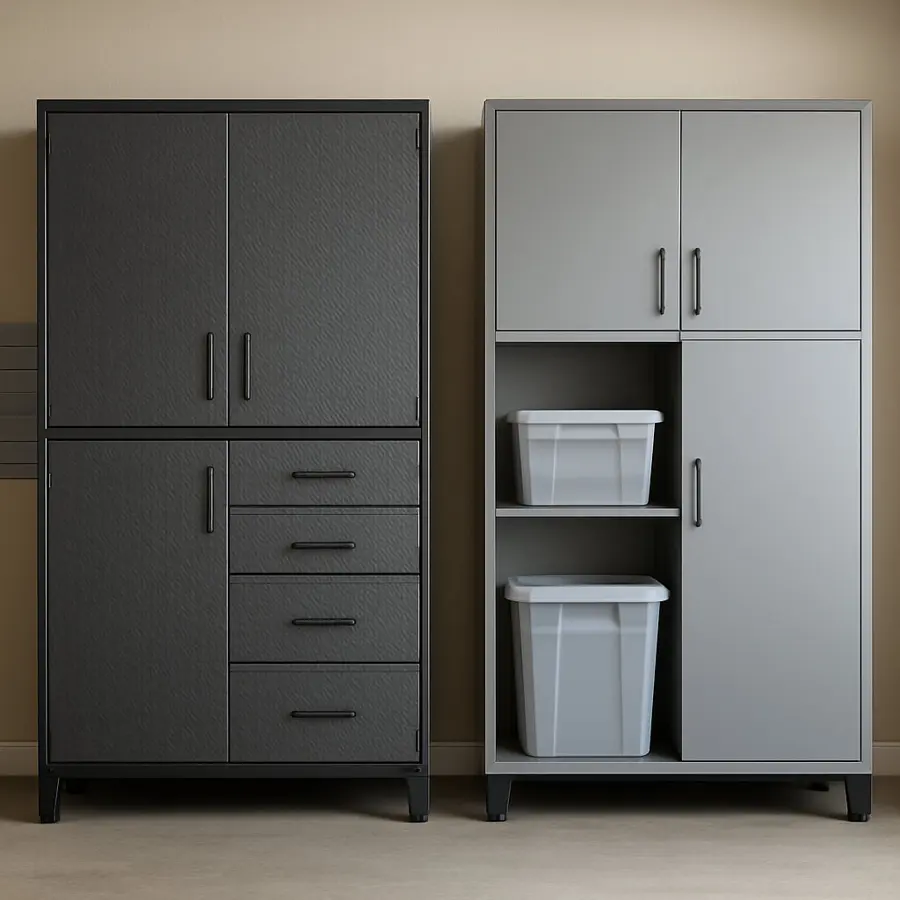
Gladiator and Rubbermaid can both organize a garage, but they solve the problem from different starting points. Gladiator’s current brand positioning emphasizes an integrated garage ecosystem that includes wall tracks and panels, hooks, cabinets, shelving and workbenches. Rubbermaid is commonly considered for FastTrack-style rails and hooks as well as practical bins and containers. The better choice depends less on the logo and more on whether you want a coordinated room system or a targeted way to get selected items off the floor.
Quick Answer
Choose Gladiator when you want a broad, coordinated system and expect to add wall panels, cabinets, work surfaces or brand-matched accessories over time. Choose Rubbermaid when a simpler rail-and-hook arrangement or container-based setup addresses the problem without a larger build-out. In either case, verify the exact rail, panel and accessory compatibility before purchase; similar-looking hooks are not automatically interchangeable.
Start with the Gladiator garage storage collection and Rubbermaid garage storage collection to see the current mix available on the site.
What this comparison covers
This is a system-level buying comparison, not a laboratory test or a promise that every product from one brand outperforms every product from the other. Both brands sell multiple product families and revise their lineups. Current specifications, included hardware, warranties and compatibility must be confirmed on the exact listing and manufacturer documentation before installation.
Gladiator: a broader garage ecosystem
Gladiator is best understood as a garage-focused family rather than a single rack. GearTrack channels and GearWall panels support compatible hanging accessories, while cabinets, shelving and benches can extend the same visual and functional plan. That breadth is helpful when a homeowner wants to develop the room in phases without selecting a new style for every wall.
The tradeoff is commitment. Once a significant wall is covered with a particular track or panel format, future accessory choices are influenced by that format. Measure objects before deciding between a narrow horizontal channel and a broad panel field. A few tools may need only one rail, while bicycles, yard tools, sports gear and seasonal equipment may justify a larger adjustable wall.
For a representative starting point, review the current Gladiator GearTrack channel listing on Amazon. Amazon supplies the current seller, package contents, price and availability; confirm installation requirements in the product documentation.
Rubbermaid: focused rails, hooks and practical containment
Rubbermaid can make sense when the job is narrower: hang long-handled tools, organize a few power tools, or standardize bins on existing shelving. A rail-based system avoids covering the entire wall and can be expanded with compatible hooks as the inventory changes. Rubbermaid’s container families also support an organization plan that relies more on shelving and labeled totes than on a fully coordinated wall-and-cabinet suite.
This approach can be economical in space because the homeowner buys storage for the items at hand. It can also become fragmented if rail accessories, bins and unrelated shelves are added without a zone plan. Treat the rail as one layer in the room, and make sure its projecting items do not intrude into the vehicle or walking path.
See the current Rubbermaid FastTrack kit listing on Amazon for one example, then check exactly which rails, hooks and hardware the live package includes.
Side-by-side decision factors
| Factor | Gladiator | Rubbermaid |
|---|---|---|
| Best starting point | Coordinated garage build-out | Targeted rail, hook or bin need |
| Wall approach | Channels or broader panel coverage | Horizontal rail emphasis |
| Expansion style | Wall accessories plus cabinets, shelving and benches | Hooks, holders and container-based organization |
| Main planning risk | Buying more ecosystem than the room needs | Creating a collection of disconnected pieces |
Compatibility is more important than appearance
Do not assume that a hook fits because its shape resembles another brand’s accessory. Rail lip geometry, panel spacing, locking tabs and load instructions may differ. Even within a brand, a product intended for one family may not work with every panel or track. Record the exact family name and model information before buying expansion pieces. When purchasing used components, ask for a clear photograph of the connection profile rather than relying on a generic “garage hook” description.
Gladiator shoppers can compare a current Big Hook listing with a current Utility Hook listing. The object’s shape and depth should guide the choice, not simply the nominal load figure.
Installation and wall condition
Either system depends on the wall. Locate framing or identify the masonry type, inspect for moisture damage, and follow the exact fastener schedule. A long rail can distribute storage across several mounting points, but only when every required point is installed correctly. Wallboard alone should not be treated as a structural anchor for a heavy garage load unless the product documentation expressly provides a suitable method and capacity.
Lay out the rail or channel with painter’s tape before drilling. Hang the largest object temporarily in the proposed zone or mock up its outline with cardboard. This reveals conflicts with vehicle mirrors, doors, electrical panels, switches, windows and the garage-door track. The safest-looking empty wall is not always safe after a mower handle, bicycle or ladder projects into the room.
Cabinets, shelves and bins
Gladiator has the advantage when the plan explicitly calls for a coordinated cabinet-and-wall appearance. That does not mean every garage needs matching cabinets. A compact room may function better with one rail above neutral freestanding shelving. Compare the garage cabinet collection, garage shelving and storage bins before deciding how much of the room should belong to one brand.
Rubbermaid bins can complement either wall approach because containers solve a different problem. A rail exposes active gear for quick access; a bin contains small or seasonal objects. A current Rubbermaid Cleverstore bin listing illustrates this layer. Match bin dimensions to the usable shelf opening and keep the total filled weight manageable.
Which system fits common garage profiles?
A growing workshop
Gladiator is the stronger candidate when the wall system will eventually sit beside workbenches, rolling cabinets and fixed shelving. The broad ecosystem makes it easier to plan a consistent expansion path. Still, buy the first phase for current tools, not an imagined future inventory.
A family sports and yard zone
Rubbermaid may be sufficient when the core need is a rail with hooks for rakes, chairs, bags and selected sports equipment. Open baskets or shelves can sit below it, and labeled bins can hold smaller pieces. Make sure children can return lightweight items without reaching beneath heavy overhead objects.
A rental or frequently changing space
Neither system is automatically ideal for a rental because both may require wall anchoring. Freestanding shelving and mobile storage can reduce permanent installation. If wall mounting is permitted, a short rail may be easier to patch later than a wall of panels. Always confirm property rules before drilling.
A polished multipurpose garage
A coordinated Gladiator layout may deliver the more unified visual result. However, color and branding should come after clearance, load, accessibility and ventilation. Closed cabinets can hide clutter, but the interior dimensions must suit the tool cases and bins actually being stored.
Cost and long-term value
Compare the total system, not the first rail. Include mounting hardware, enough hooks for the actual inventory, shelves or cabinets, delivery, professional installation if needed and likely expansion pieces. A cheaper starter kit can cost more if half its accessories do not fit your belongings. A premium panel can be wasteful if the garage needs only four hooks. Value comes from the percentage of the system used every week and the ease of rearranging it as the household changes.
Frequently Asked Questions
Can Gladiator hooks fit Rubbermaid rails?
Do not assume cross-brand compatibility. Check the exact hook and rail documentation. Similar shapes can use different engagement and locking methods, and an improvised fit can compromise safe loading.
Is a panel wall stronger than a rail?
Not inherently. Published capacities depend on the specific product, mounting surface, fasteners, installation pattern and load placement. Compare exact manuals rather than generalizing from the amount of wall coverage.
Which brand is better for power tools?
Choose by the tools’ size, weight and battery-charging setup. Gladiator offers a broad wall ecosystem; Rubbermaid sells focused holders such as the current FastTrack power-tool holder listing. Heavy cases may still belong on shelving or in cabinets.
Can I combine a wall system with another brand’s cabinets?
Yes, if dimensions, door swing, anchoring and clearances work. The components do not need to share a logo to form an effective room. Keep each proprietary accessory family clearly identified.
A practical way to decide
Sketch two versions of the same wall before purchasing: one using the minimum rail-and-hook solution and one showing the broader cabinet or panel system you might add within three years. Price each complete layout, including hardware and installation. The comparison often reveals whether expansion flexibility is genuinely valuable or merely an attractive possibility.
Final Verdict
Gladiator is the more natural choice for an integrated, expandable garage plan; Rubbermaid is compelling for a focused rail-and-hook or bin-based solution. Neither wins every category. Inventory the objects, map the wall, calculate the complete system cost and verify compatibility before drilling. For more options, compare the broader garage storage systems collection, wall storage and the garage brands guide.