Garage Shelving vs Garage Storage Racks: Which Is Best for You?
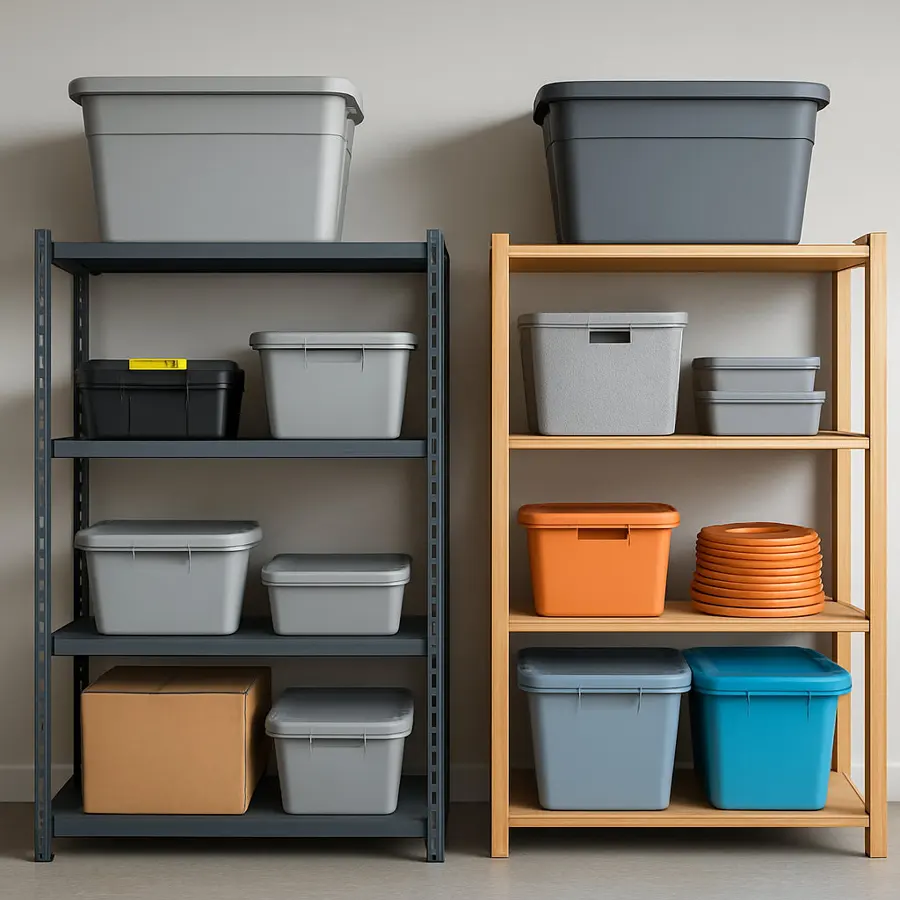
Comparing Garage Shelving and Garage Storage Racks: The Ultimate Guide to Organizing Your Garage
For many homeowners, the garage is more than just a space for parking vehicles—it’s a crucial storage area that can add tremendous value to your home if organized effectively. An organized garage not only eliminates clutter but can also help you maximize space, improve safety, and make daily tasks more efficient. With various storage solutions available today, two primary contenders stand out for those aiming to optimize their garage: Garage Shelving and Garage Storage Racks.
This comprehensive, professional guide delves deep into the features, benefits, drawbacks, and best use cases for both solutions. By the end, you’ll have all the information you need to determine which option is the best fit for your unique storage needs.
Table of Contents
- Introduction
- Garage Shelving vs. Garage Storage Racks: Key Differences
- Key Features Comparison
- Cost and Value Considerations
- Common Use Cases and Scenarios
- Safety and Stability Considerations
- Expert Tips for Choosing the Right System
- Combining Both Solutions: Is It the Best of Both Worlds?
- Conclusion
Garage Shelving vs. Garage Storage Racks: Key Differences
While often used interchangeably, Garage Shelving and Garage Storage Racks have distinct differences that influence their suitability for various storage needs.
- Garage Shelving refers to a series of horizontal platforms—freestanding or wall-mounted—designed primarily for storing smaller to medium-sized items in a visible and easily accessible manner.
- Garage Storage Racks, on the other hand, usually encompass robust, open-frame structures (such as overhead racks, utility racks, or heavy-duty floor racks) intended for larger, bulkier objects or long-term storage solutions.
Let’s explore these differences in detail to help you establish a clear understanding of which system—or combination of systems—will align best with your garage organization goals.
Key Features Comparison
Material and Durability
-
Garage Shelving:
- Materials vary widely: steel, powder-coated metal, wood, particleboard, and heavy-duty plastic are common.
- Powder-coated steel versions offer superior durability and rust resistance, essential in humid or variable temperature garages.
- Wood shelving can provide a classic look but may be more susceptible to moisture and pests if not properly treated.
-
Garage Storage Racks:
- Primarily constructed from heavy-gauge steel or industrial alloys for maximum strength.
- Engineered to withstand greater weight, making them ideal for storing items like tires, large bins, sports gear, or even bikes and kayaks.
- Typically feature anti-rust coatings for extended longevity, crucial in garages prone to fluctuation in temperature and humidity.
Verdict: If durability and weight-bearing are your top priorities, Garage Storage Racks often edge out shelves. For light-to-moderate needs, quality shelving can suffice.
Installation and Flexibility
-
Garage Shelving:
- Most shelving systems are modular and easy to assemble, especially plastic or lightweight metal versions.
- Wall-mounted shelves can free up floor space but may require more precise installation, with suitable wall anchors or stud mounting.
- Freestanding units are flexible and can be moved as your storage needs change.
-
Garage Storage Racks:
- Installation can be more challenging, especially with ceiling-mounted racks or heavy-duty floor systems.
- Fixed position once installed—less flexible than freestanding shelves.
- Generally require two people for safe assembly and installation due to weight and scale.
Verdict: Those seeking ease of installation and mobility may prefer Garage Shelving. However, if you need permanent storage for large items, Garage Storage Racks provide a more stable and lasting solution.
Storage Capacity and Weight Limits
-
Garage Shelving:
- Typical capacities range from 100 lbs to 800 lbs per shelf, depending on material and design.
- Ideal for paint cans, hand tools, small appliances, or boxed household items.
- Stacking too many heavy items may compromise shelf integrity or stability.
-
Garage Storage Racks:
- Designed to hold anywhere from several hundred to thousands of pounds—perfect for bulky, awkward, or heavy goods.
- Overhead variants efficiently use vertical space, freeing up floor area for vehicles or workbenches.
- Suited for heavy-duty bins, tires, lawn equipment, sports gear, and more.
Verdict: For storing lighter items with quick access, shelves excel. For serious storage and maximizing vertical space, racks are unmatched.
Design and Aesthetics
-
Garage Shelving:
- Provides open and visible storage.
- Available in a range of finishes and styles to complement the garage’s look.
- Closed shelving with doors can hide clutter but may require more space for doors to swing open.
-
Garage Storage Racks:
- Emphasizes functionality over aesthetics, often industrial in appearance.
- Open construction for quick visual inventory.
- May not blend seamlessly into living-space extensions of your home, but ideal for strictly utilitarian garages.
Verdict: Design purists favor garage shelving, especially if your garage doubles as a workshop or hobby room. Storage racks showcase practicality but with an industrial flair.
Accessibility and Convenience
-
Garage Shelving:
- Everything stored is on display and easily reachable.
- Great for frequently accessed items.
-
Garage Storage Racks:
- Best for stowing away larger, seasonal, or rarely accessed items.
- Overhead units may require a ladder or step stool for access.
- May not be ideal for daily-use items unless specially designed for more frequent retrieval.
Verdict: Use shelving for your daily go-to’s and racks for off-season or less frequently used items.
Maintenance and Longevity
-
Garage Shelving:
- Low maintenance—mainly dusting and occasional checks for rust or warping.
- Painted or coated shelves withstand the test of time.
-
Garage Storage Racks:
- Usually require very little ongoing maintenance, aside from checking mounting brackets and bolts.
- Periodic inspection recommended especially for overhead systems to ensure anchors remain secure.
Verdict: Both options are relatively maintenance-free if quality materials are chosen and installation is performed correctly.
Cost and Value Considerations
Garage Shelving
- Entry-level plastic shelving units can cost as little as $30 - $60 per shelf.
- Heavy-duty steel or custom wooden shelves range from $75 to $250+ each, depending on size and features.
- The cost per linear foot of storage is typically lower than heavy-duty racks.
- Can be a very budget-friendly solution for basic needs.
Garage Storage Racks
- Basic four-shelf steel storage racks start around $80 - $150.
- Overhead ceiling racks (for bins or bikes) can run $150 - $400 per unit or more.
- Freestanding, industrial-grade racks may cost $200+ per section but can support substantially more weight.
- Professional installation may add to the overall investment.
Value Perspective: Garage Shelving is ideal for those on a tight budget or looking for straightforward upgrades. Garage Storage Racks deliver the best bang for your buck if you need to store large quantities or extra-heavy items and have the floor/wall/ceiling space available.
Common Use Cases and Scenarios
When to Choose Garage Shelving
- DIY enthusiasts or crafters need quick access to tools, painting supplies, or small parts.
- Families looking to organize cleaning supplies, kids’ sporting goods, or pantry overflow.
- Anyone wanting to display items, maintain high visibility, or use clear storage bins for instant recognition.
- Those in rental properties who need portable, non-permanent solutions.
When to Choose Garage Storage Racks
- Homeowners with recreational gear (bikes, skis, kayaks) requiring robust hanging or overhead storage.
- Car enthusiasts needing places for bulky tires and automotive parts.
- Bulk shoppers needing to stow away large totes, seasonal décor, or emergency supplies.
- Households with limited floor space who want to maximize vertical storage capabilities.
Ask yourself: Is quick accessibility most important? Opt for shelves. Do you need to clear the floor or store heavy/bulky goods? Racks may be the answer.
Safety and Stability Considerations
Safety should never take a back seat when configuring your garage storage system:
- Proper Installation: Shelving and racks must be anchored correctly—especially wall-mounted or overhead systems.
- Weight Distribution: Always adhere to manufacturer weight limits. Overloading increases risk of collapse.
- Child & Pet Safety: Place hazardous substances on upper shelves out of reach, or in locking cabinets when possible.
- Clear Pathways: Both shelving and racks should not obstruct walkways, doors, or emergency exits.
- Routine Inspections: Regularly inspect mounting points and structural integrity, particularly after adding new, heavier items or experiencing extreme weather conditions.
Choosing high-quality hardware and installation materials is a wise investment that promotes peace of mind for years to come.
Expert Tips for Choosing the Right System
-
Inventory Your Items:
- Make a detailed list of what you intend to store. Measure the largest and heaviest items to ensure compatible shelving/rack sizes.
-
Plan Your Layout:
- Sketch your garage and mark out doors, windows, and any obstructions.
- Reserve easy-access areas for high-use items; use corners or overhead for long-term storage.
-
Think Vertical:
- Ceiling- or wall-mounted Garage Storage Racks can free up valuable floor space for vehicles or large equipment.
-
Mix Open and Closed Storage:
- Open shelves or racks are perfect for most goods, but adding a few closed cabinets can help conceal clutter and secure hazardous materials.
-
Future Flexibility:
- Opt for modular or expandable systems if you anticipate storage needs will change over time.
-
Consider Professional Installation:
- For heavy-duty Garage Storage Racks or complex wall/ceiling mounts, professional installation ensures safety and stability.
Combining Both Solutions: Is It the Best of Both Worlds?
Many successful garage organization makeovers stem from layering both Garage Shelving and Garage Storage Racks to leverage their complementary strengths. For example:
- Install heavy-duty wall racks for long-handled tools and ladders.
- Use deep shelves for frequently needed bins and totes.
- Employ overhead racks for holiday decorations or rarely used sports gear.
This hybrid approach capitalizes on the flexibility and accessibility of shelving while maximizing the vertical and heavy-duty advantages of racks. Remember to always map out a plan to avoid over-complicating the layout.
Conclusion: Which Storage Solution Is Right for Your Garage?
An organized garage makes your life simpler, safer, and more enjoyable. Whether you select Garage Shelving, Garage Storage Racks, or a combination, the ideal system fits your unique requirements, complements your available space, and aligns with your personal style preferences.
If you’re still unsure, start small—add modular shelves and expand as needed. Or consult a garage storage expert for a custom solution tailored to your needs. With the right approach, your garage can become one of the most efficient and versatile spaces in your home.
Ready to take the next step? Browse our extensive online selection of Garage Shelving and Garage Storage Racks to find quality products for every storage challenge. Invest today for a neater, safer, and more accessible garage tomorrow!
Have specific storage questions, or want a personalized recommendation? Contact our team of garage organization experts—your first step towards a clutter-free garage is just a click away.