Garage Pulley Storage Systems vs Garage Bike Storage: Expert Comparison
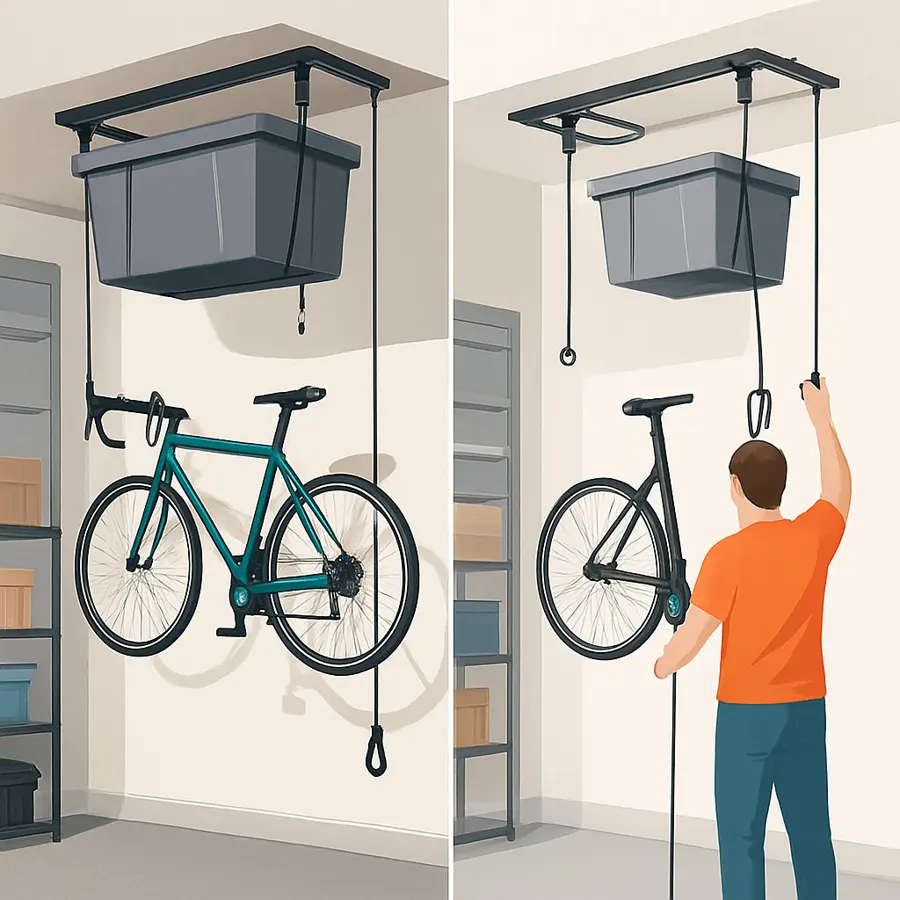
Maximizing Garage Space: A Comprehensive Comparison of Garage Pulley Storage Systems and Garage Bike Storage Solutions
Garages are an essential feature of many homes, providing not only a secure place to park vehicles but also a valuable zone for storage. As household items accumulate and hobbies like cycling flourish, maximizing available garage space becomes paramount. The efficient use of overhead and wall storage can transform a cluttered garage into an organized, accessible, and productive environment. Among the myriad of storage solutions, two stand out for their practicality and efficiency: Garage Pulley Storage Systems and Garage Bike Storage options.
In this comprehensive, professional comparison, we’ll explore the features, advantages, and differences between these two storage systems. We will delve into their design, installation, safety considerations, spatial efficiency, cost-effectiveness, and the scenarios in which each system excels. Whether you're a serious cyclist with multiple bikes or simply seeking to reclaim your garage floor, this guide will help you make an informed decision to optimize your garage for both function and aesthetics.
Understanding Modern Garage Storage Needs
With urban living spaces shrinking and more households using garages for multipurpose storage, it’s no wonder that innovative organization systems have gained traction. Traditional racks and shelves have been supplemented (and often replaced) by space-saving solutions designed to leverage every cubic foot, especially vertical and overhead zones. The key reasons homeowners seek advanced garage storage include:
- Maximizing floor space for vehicles, workbenches, and activities
- Protecting valuable equipment—like bikes, kayaks, and tools—from damage
- Improving safety through decluttering, reducing tripping hazards
- Facilitating organization by making gear accessible and visible
- Enabling multi-use environments such as home gyms, workshops, or play spaces
Let’s examine how Garage Pulley Storage Systems and dedicated Garage Bike Storage options address these goals, and see which solution aligns best with your priorities.
Garage Pulley Storage Systems: Overview and Benefits
What are Garage Pulley Storage Systems?
Garage Pulley Storage Systems are mechanical setups designed to lift and store bulky or heavy items overhead using a series of ropes, pulleys, and locking mechanisms. These systems harness the mechanical advantage of pulleys, making it easier for users to hoist items—ranging from storage bins and sporting equipment to ladders and kayaks—up and out of the way.
How Do They Work?
This system typically involves a ceiling-mounted frame or bracket, strong ropes or straps, one or more pulleys, and a cleat or locking mechanism for safety. The item to be stored is secured to the hoist, and the user pulls on the rope to lift it to the desired height. The pulley configuration reduces the amount of force needed, allowing even heavy objects to be lifted smoothly and safely.
Key Features of Garage Pulley Storage Systems
- Space Maximization: Utilizes overhead space that is often underused
- Heavy Load Capability: Many systems can support weights exceeding 100 lbs (45 kg)
- Adjustable Height: Items can be raised or lowered to any level, making access easy
- Multipurpose Design: Suitable for bins, boats, sports gear, ladders, and more
- Secure Locking Mechanisms: Prevents accidental drops with safety cleats or auto-lock features
- Material Durability: Often constructed from galvanized steel, heavy-duty rope or cable, and high-quality hardware
Pros and Cons
-
Pros:
- Frees up major floor space
- Takes advantage of overhead “dead” space
- Effective for heavy or cumbersome items
- Can be used for seasonal or infrequently accessed gear
- Adds an element of safety by removing items from walkways
-
Cons:
- Initial installation can be complex, requiring ceiling reinforcement
- Requires clear overhead area—low ceilings may be incompatible
- Not as suitable for items used frequently
- May require periodic maintenance of ropes and pulleys
Garage Bike Storage: Overview and Benefits
What is Garage Bike Storage?
Garage Bike Storage refers to a specialized subset of garage storage solutions designed specifically for bicycles. Recognizing the unique needs of cyclists, these products prioritize secure, accessible, and space-efficient storage, protecting bikes from damage and enabling easy retrieval for daily riding or maintenance.
Common Types of Garage Bike Storage
- Wall-Mounted Racks: Hooks or rail systems that hold bikes vertically or horizontally
- Ceiling Hoists: Pulley-based devices tailored for bikes, similar in principle to full pulley storage systems
- Freestanding Racks: Floor-based stands that hold one or more bikes upright
- Gravity Stands: Leaning racks utilizing wall support and gravity for stability
- Bike Lifts: Sophisticated lifts with mechanical or even electric operation for lifting bikes overhead
Key Features of Garage Bike Storage
- Protection: Keeps bikes away from potential sources of damage (vehicles, moisture, clutter)
- Accessibility: Designed for daily use—grab, ride, and store with minimal fuss
- Space Saving: Racks and hoists can free up floor space, making room for other storage or activities
- Capacity: Systems available for single bikes or multi-bike households
- Organization: Many include additional hooks or bins for helmets, pumps, and accessories
- Flexibility: Solutions for all garage layouts, including small or oddly shaped garages
Pros and Cons
-
Pros:
- Optimizes safe storage of bikes without risking frame or component damage
- Many solutions are easy to install on standard drywall/studs
- Quick and convenient for regular riders
- Reduces risk of theft through organized, indoor storage
- Helps maintain bike condition by keeping them dry and off uneven surfaces
-
Cons:
- Less versatile—primarily for bikes, not for other large items
- Freestanding racks use up some floor space
- Some wall racks may require lifting/lowering which can be challenging with heavy bikes
- Ceiling hoists may require careful installation to ensure safety
Detailed Comparison: Garage Pulley Storage Systems vs. Garage Bike Storage
1. Primary Use Case and Versatility
Garage Pulley Storage Systems are designed for broad utility, enabling homeowners to store a variety of items ranging from storage totes to outdoor furniture. This versatility is a significant advantage for those who do not want to dedicate a storage system to one category of item. By contrast, Garage Bike Storage is purpose built—designed with the unique dimensions and protection needs of bicycles in mind. While some systems (like bike-specific ceiling hoists) share principles with general pulley systems, their padding, sizing, and mounting options are optimized for bikes.
- Choose Garage Pulley Storage Systems if: You require a multi-use solution for varied gear (kayaks, ladders, bins, etc.).
- Choose Garage Bike Storage if: Your main concern is safe, quick, and organized bicycle storage—especially if multiple family members are regular riders.
2. Installation Requirements
- Garage Pulley Storage Systems: Often entail ceiling mounting—this can require locating joists, measuring clearances, and sometimes reinforcing the installation points. While most systems provide detailed instructions, individuals uncomfortable with power tools or heights may need professional help.
- Garage Bike Storage: Installation ranges from very simple (freestanding models or wall hooks that only need a few screws) to more involved (suspended ceiling hoists for bikes). In general, most bike-specific solutions are more user-friendly for a DIY install.
3. Space Efficiency and Accessibility
Both systems aim to maximize the utility of the garage, but they serve space-saving in distinct ways.
- Garage Pulley Storage Systems leverage the entire overhead area, freeing not only floor but also wall space. These are ideal for storing seldom-used or bulky items that don’t require frequent access.
- Garage Bike Storage—particularly wall or gravity stands—prioritizes easy access for everyday use. Vertical wall racks use ceiling-to-floor height but might protrude less into open overhead space, making them practical for regular cyclists.
4. Safety Considerations
All garage storage systems must be safe for daily use.
- Garage Pulley Storage Systems pose some risk if not installed correctly—heavy items stored overhead can be dangerous if mounting points fail or locking mechanisms loosen over time. Regular inspection of ropes, pulleys, and mounts is essential.
- Garage Bike Storage (particularly wall and ceiling hoists) should have sturdy hardware and padding to prevent scratching or damage to frames. Floor stands and wall racks generally present lower risk as items are closer to the ground.
5. Cost Factors
- Garage Pulley Storage Systems: Pricing varies widely based on weight capacity, materials, and brand. Basic systems may start around $50-$100, but more robust options (heavy-duty, double pulleys, advanced locking systems) can exceed $200.
- Garage Bike Storage: Costs range depending on the type—wall hooks can be found under $20, freestanding racks $75-$150, and ceiling hoists around $30-$80. Sophisticated multi-bike solutions or electric lifts can be pricier but are tailored specifically for cyclists.
6. Maintenance and Durability
- Garage Pulley Storage Systems may require rope or cable replacement and periodic checking of pulleys, hooks, and ceiling anchors to maintain safe usage.
- Garage Bike Storage—especially passive options like stands or fixed wall hooks—generally require minimal maintenance aside from occasional hardware tightening.
7. Aesthetic Impact and Organization
A tidy garage not only improves functionality but also makes the space more enjoyable to use.
- Garage Pulley Storage Systems can make large items “disappear,” leaving the garage looking cleaner and more spacious. However, a row of bulky items overhead might not appeal to every homeowner.
- Garage Bike Storage solutions can make a collection of bikes an organized and even stylish display—especially with matching or customized racks.
Case Studies: Which System Suits Which Household?
Scenario 1: The Active Family with Varied Equipment
A family that enjoys kayaking, cycling, skiing, and regular home improvement projects likely possesses a wide array of gear, from bikes and boats to ladders and holiday decorations. In this situation, Garage Pulley Storage Systems shine. Pulley hoists can elevate kayaks or car-top carriers out of the way while still allowing for individual wall racks or a ceiling bike hoist for frequent riders. When space is at a premium, combining both a general pulley system with bike-specific storage creates the ultimate versatile garage.
Scenario 2: The Cycling Enthusiast or Multi-Rider Household
Households where everyone owns a bike—and uses them frequently—will find Garage Bike Storage the more sensible solution. Wall racks let each rider access their bike quickly, floor stands offer a grab-and-go approach, and even a dedicated ceiling hoist designed for bikes can provide extra protection. Accessories racks for helmets and tools ensure all cycling essentials are close at hand, promoting regular bike use and maintenance.
Scenario 3: The Occasional DIYer with Limited Height Availability
Not all garages have high ceilings or unobstructed overhead space. For lower-ceiling garages, wall-mounted bike racks or compact freestanding storage solutions may be the only options. Here, wall racks for bikes or garden tools delineate space effectively without the complications and risks posed by overhead pulley systems.
Expert Tips for Choosing and Installing Garage Storage Systems
- Measure Twice: Always start with full measurements of your garage’s dimensions, including ceiling height, joist spacing, and door clearance.
- Assess Real Usage: Consider how frequently you access stored items. Daily-use gear belongs in easy reach; seasonal or infrequent items can be stored overhead.
- Check Weight Limits: Exceeding hardware ratings is dangerous, particularly with Garage Pulley Storage Systems. Err on the side of caution with weight-bearing calculations.
- Plan Ahead: Map out potential installations to avoid conflicts with garage doors, lighting, wiring, or sprinkler heads.
- Use Quality Hardware: Regardless of system, invest in corrosion-resistant fasteners, anchors, and finishings for safety and longevity.
- Consider Aesthetics: Coordinating colors and materials may make the system feel more integral to your home rather than a utilitarian afterthought.
Frequently Asked Questions
Are Garage Pulley Storage Systems safe for long-term storage?
When installed correctly and maintained regularly, these systems are very safe for storing heavy or bulky items long-term. Always use proper hardware and adhere strictly to manufacturer weight limits.
What’s the best Garage Bike Storage solution for families with children?
Wall-mounted racks at staggered heights or simple floor stands work well for kids, as they are easily accessible and minimize the risk of injury.
Can you combine both systems?
Absolutely. Many households find that the most effective garage organization results from combining overhead pulley storage with specific racks or hoists for bikes. This layered approach maximizes both efficiency and accessibility.
Conclusion: Making the Right Choice for Your Garage
Transforming a cluttered garage into a streamlined, efficient space is possible with the right storage solutions. Garage Pulley Storage Systems offer unmatched versatility for lifting and securing a range of heavy or seasonal items overhead, empowering homeowners to reclaim precious floor space. In contrast, Garage Bike Storage provides specialized, easy-access solutions tailored for cycling families and enthusiasts, combining protection with practicality.
Ultimately, the best choice depends on your unique needs, the frequency of item use, and garage dimensions. Many homeowners will benefit from integrating both systems for maximum organizational impact. By carefully considering the features, benefits, and limitations outlined above, you'll be well-positioned to select the ideal solutions for your home.
Ready to take your garage organization to the next level? Explore our selection of premium storage systems and expert installation guides, or contact our team for personalized advice. Unleash your garage's full potential today!