Air Compressors vs Pressure Washers: Expert Comparison Guide
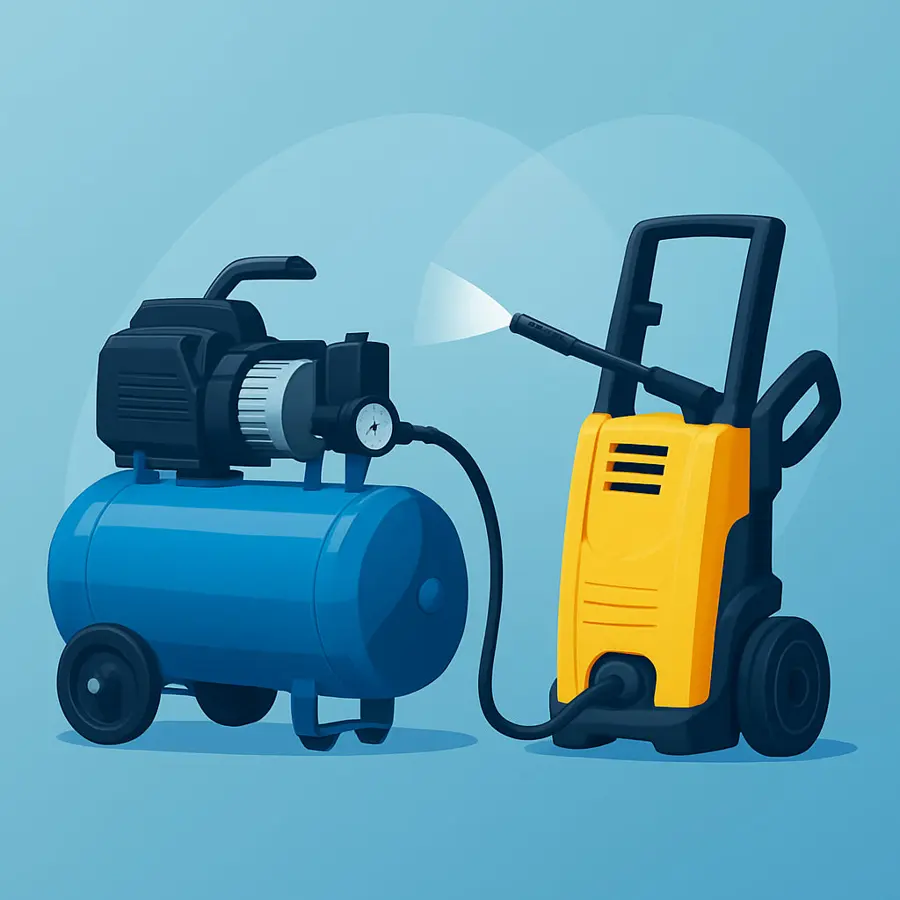
The Ultimate Comparison: Air Compressors vs. Pressure Washers—Understanding Which is Right for You
If you’re a homeowner, contractor, or DIY enthusiast searching for ways to tackle tough cleaning and maintenance tasks, you’ve likely come across two highly effective tools: Air Compressors and Pressure Washers. While both are power tools that harness pressurized air or water to get jobs done, their applications, functionality, and benefits are distinctly different. Choosing between them can significantly impact how efficiently and effectively you complete your projects.
In this comprehensive guide, we’ll provide an in-depth, side-by-side comparison of Air Compressors and Pressure Washers. We will explore their core functions, key features, ideal use-cases, operational differences, maintenance needs, safety considerations, and much more. By the end, you’ll have the knowledge to make an informed purchasing decision that suits your unique needs, whether for professional, industrial, or home use.
Understanding the Basics: How Air Compressors and Pressure Washers Work
What is an Air Compressor?
At its core, an Air Compressor is a device that converts electric, gas, or diesel energy into kinetic energy by compressing and pressurizing air. This high-pressure air can then be released through hoses to power various pneumatic tools, inflate tires, operate spray guns, or carry out many industrial tasks. Air compressors are widely used in automotive repair shops, construction sites, factories, and even homes.
- Types: Reciprocating (piston) compressors, rotary screw compressors, and centrifugal compressors.
- Main Uses: Powering nail guns, paint sprayers, sanders, ratchets, inflation devices, and more.
- Energy Source: Electric motor, gas engine, or diesel engine.
What is a Pressure Washer?
A Pressure Washer is a cleaning device that generates high-pressure jets of water to remove dirt, grime, mold, or stains from a variety of surfaces. It pulls water from a tap or tank, and uses either an electric or gas-powered engine to increase the water’s pressure markedly before pushing it through a tight nozzle.
- Types: Electric pressure washers and gas-powered pressure washers, with varying degrees of portability and power.
- Main Uses: Cleaning driveways, patios, vehicles, fences, exterior siding, outdoor furniture, and heavy equipment.
- Energy Source: Electric motor or gas engine.
Key Features and Technical Differences
Air Compressors: Core Features and Specifications
- Pressure Output (PSI): Air compressors are typically measured by PSI (pounds per square inch). Standard units deliver between 90-150 PSI, though some industrial models exceed 200 PSI.
- Air Flow (CFM): The air output is measured in CFM (cubic feet per minute), indicating the volume of air provided. Selecting the appropriate CFM ensures your pneumatic tools run efficiently.
- Tank Capacity: Ranges from compact, portable units (1-6 gallons) to stationary, high-capacity models (up to 80 gallons or more).
- Power Source: Available as corded electric, gas, or diesel models to suit different venues and needs.
- Portability: Options range from lightweight, handheld compressors to heavy, wheeled units for job sites.
Pressure Washers: Core Features and Specifications
- Water pressure and flow: Compare the exact PSI and GPM ratings published for the model you are considering. Broad category ranges are not interchangeable with a specific machine’s rated output, and the surface maker’s limits still control.
- Water Flow (GPM): Water output is measured in GPM (gallons per minute), typically ranging from 1.2 to 4.0 GPM.
- Engine Type: Electric units are best for light-to-medium cleaning, while gas models are favored for heavy-duty, outdoor applications without electrical outlets.
- Nozzle Attachments: Various nozzles and accessories adjust spray width, power, and shape to optimize cleaning for different surfaces.
- Portability: Most pressure washers feature wheels and handles, some are compact and easy to maneuver, while others are designed as larger, industrial carts.
Applications: When to Use Air Compressors vs. Pressure Washers
Ideal Uses for Air Compressors
Air compressors shine in scenarios that require pressurized air, particularly when you want to power a variety of pneumatic tools. Here are some common applications:
- Automotive Repair: Operating impact wrenches, inflating tires, and powering spray paint guns.
- Construction: Running nail guns, staplers, and sanders for framing, roofing, or finish work.
- DIY Projects: Airbrushing, crafting, or building projects in a home garage or workshop.
- Industrial: Automation systems, conveyors, and process controls in factories and plants.
- Inflation: Quickly and efficiently inflating sports equipment, air mattresses, floating devices, and vehicle tires.
Ideal Uses for Pressure Washers
Pressure washers are designed specifically for cleaning and surface preparation tasks. Their high-pressure water output makes them exceptionally effective at:
- Outdoor Surface Cleaning: Removing greasy buildup, mud, algae, and stains from concrete driveways, walkways, and patios.
- Vehicle Cleaning: Washing cars, trucks, boats, and recreational vehicles without scrubbing.
- Exterior Maintenance: Stripping paint or mold from house siding, decks, and fences.
- Industrial and Commercial Cleaning: Cleansing heavy machinery, parking lots, warehouse floors, or construction equipment.
- Public Facilities: Tidying up sports courts, public benches, and aviation runways.
Strengths and Limitations of Air Compressors and Pressure Washers
Advantages of Air Compressors
- Versatility: One of the main appeals is the ability to operate an extensive array of air-powered tools, from drills to sprayers.
- Cost Efficiency: Pneumatic tools often last longer and are less expensive to operate and maintain compared to electric tools.
- Precision Control: Adjustable output for tasks requiring fine-tuned pressure, such as airbrushing or inflating sensitive objects.
- Long-Term Investment: Durable builds and replaceable components mean air compressors can offer years of reliable service.
Limitations of Air Compressors
- Requires Attachments: To fully benefit, you’ll need a collection of pneumatic tools, hoses, and fittings.
- Noise: Some compressor models can be quite loud, especially reciprocating or gas-powered types.
- Size and Weight: Larger, higher-capacity compressors are heavy and require significant storage space.
Advantages of Pressure Washers
- Deep Cleaning Power: Effortlessly removes stubborn dirt, grime, and stains where manual scrubbing falls short.
- Time Savings: Accomplishes in minutes what could otherwise take hours of labor-intensive cleaning.
- Surface Versatility: Suitable for a wide range of surfaces when paired with the right nozzle and detergent.
- Mobility: Most models are portable, allowing you to clean large or remote areas.
Limitations of Pressure Washers
- Single Purpose: Primarily for high-pressure water cleaning; lacks the versatility for powering tools.
- Potential Surface Damage: Improper use or incorrect nozzle selection can etch, chip, or damage vulnerable surfaces like wood, brick, or car paint.
- Water Source Required: Needs reliable access to a water tap or tank, which can be limiting on certain job sites.
Operational Considerations: Setup, Use, and Maintenance
Setting Up Air Compressors
Most modern air compressors are designed for simple setup and operation. They typically require:
- Selecting a stable, ventilated location for placement.
- Connecting to a suitable power source (electric or gas).
- Attaching air hoses and compatible pneumatic tools.
- Adjusting the regulator to match the required PSI for the tool in use.
Routine maintenance involves:
- Checking and changing the air filter.
- Draining moisture from the tank after each use.
- Inspecting hoses and fittings for leaks or wear.
- Monitoring oil levels (for oil-lubricated compressors).
Setting Up Pressure Washers
Most pressure washers are straightforward to operate:
- Connect the hose to a reliable water source.
- Attach the correct spray nozzle for the desired pressure/cleaning pattern.
- Plug in or fill the gas tank, depending on the model.
- Prime the pump if required and power up the unit.
Maintenance essentials include:
- Flushing the system after use to prevent mineral buildup.
- Cleaning or replacing nozzles to maintain optimal spray patterns.
- Checking connections and water filters for clogs or debris.
- Winterizing the pump with antifreeze if stored in cold climates.
Safety Considerations
For workplace cleaning, OSHA 29 CFR 1910.242(b) permits compressed air only when it is reduced below 30 psi and used with effective chip guarding and personal protective equipment. That cleaning rule does not set a 30 psi maximum for the compressor or every connected tool.
Air Compressors: Safety Tips
- Always use tools and hoses rated for the compressor's maximum PSI.
- Relieve system pressure before disconnecting hoses or performing maintenance.
- Wear appropriate protective gear—especially ear and eye protection—as high-pressure air and tool noise can be hazardous.
- Never point a compressed air nozzle at your skin or anyone else to avoid serious injury.
Pressure Washers: Safety Tips
- Use safety goggles and gloves to protect against high-pressure spray and debris.
- Test on a small area before cleaning delicate surfaces to avoid accidental damage.
- Keep hands, feet, and face clear of the pressure jet at all times.
- Avoid directing spray at animals, plants, or people.
- Engine exhaust: Never operate a gasoline-powered pressure washer, compressor, or other internal-combustion engine in a garage, carport, or enclosed or partly enclosed area—even with doors or windows open. Keep the engine outdoors and away from openings and air intakes, as directed by CDC/NIOSH guidance.
Cost Comparison: Initial Investment and Long-Term Value
Budget is a key factor when investing in new tools. Here is a general overview:
Air Compressors: Pricing Overview
- Entry Level: Small, portable air compressors start around $100–$200, suitable for inflating tires or operating light tools.
- Mid-Range: Larger, more powerful units for consistent garage or workshop use typically cost between $250–$700.
- Industrial Grade: Heavy-duty, high-capacity compressors (over 30 gallons, high CFM/PSI) can range from $900–$3000+.
While initial costs can be higher, the ability to power numerous pneumatic tools means Air Compressors deliver exceptional long-term value, especially for those who do frequent repairs or operate small businesses.
Pressure Washers: Pricing Overview
- Entry Level: Light-duty electric pressure washers are often priced between $80–$200, suitable for basic home cleaning.
- Mid-range choices: Compare current model specifications, required accessories, service support, and total ownership cost rather than relying on a price band that can become outdated.
- Professional/Industrial Grade: Commercial units delivering over 3000 PSI or high GPM can easily cost $600–$2000+.
Pressure Washers provide excellent value for users needing frequent or intensive exterior cleaning or who would otherwise pay for professional cleaning services.
Environmental and Energy Considerations
Air Compressors
Modern air compressors, especially electric models, are relatively energy-efficient. However, pneumatic tools can require significant power when used continuously. Choosing the right size compressor and minimizing leaks in hoses and connections helps reduce energy waste. Look for models with energy-saving features such as auto shut-off and oil-free operation for environmentally conscious use.
Pressure Washers
Pressure washers typically use less water for cleaning compared to traditional hoses due to the power and focus of their jets. Still, gas-powered models emit fumes and can be noisier. Electric pressure washers are quieter and cleaner to run, making them ideal for eco-sensitive or residential settings. Using biodegradable detergents and operating the washer only when necessary reduces environmental impact.
Choosing the Right Tool: Factors to Consider
When deciding whether to invest in Air Compressors or Pressure Washers, consider the following factors:
- Primary Use: Need to operate nail guns or inflate tires? Opt for an air compressor. Want to clean surfaces or vehicles? Choose a pressure washer.
- Frequency of Use: Frequent tool use or cleaning jobs justify a higher investment in quality models.
- Power source: Use gasoline-powered equipment outdoors only. For indoor work, consider an electric model only when its manual, electrical supply, drainage, and surrounding surface conditions permit the task.
- Work Location: Portability and ease of movement may favor certain models if used for remote or off-site jobs.
- Budget: Invest according to your needs and the long-term value you expect from the tool.
Frequently Asked Questions (FAQs)
Can an air compressor be converted into a pressure washer?
While there are attachments marketed as air-powered pressure washer guns, standard air compressors do not deliver the necessary water volume (GPM) or pressure needed for effective surface cleaning. Pressure washers are specifically engineered to manage the combination of high-pressure and high water flow required for cleaning tasks, making them more effective than any air compressor conversion.
Is it possible to use a pressure washer for inflating tires or powering pneumatic tools?
No, as pressure washers rely on water and are not equipped to handle or generate compressed air. They’re built for cleaning, not for operating air-powered tools or inflation.
Which one is easier to maintain?
Both tools require regular cleaning and attention, but pressure washers may need more frequent maintenance due to exposure to water, grime, and environmental elements. Air compressors, especially oil-lubricated models, need consistent checks on air filters and oil levels.
Conclusion: Air Compressors vs. Pressure Washers—Making the Right Choice
Both Air Compressors and Pressure Washers have unique roles to play in home workshops, automotive garages, construction sites, and even professional businesses. If your projects revolve around running pneumatic tools, inflating tires, and carrying out repair or finishing tasks, air compressors offer unmatched flexibility and long-term value. On the other hand, if you need a powerhouse for cleaning exteriors, removing stubborn grime, or revitalizing surfaces, pressure washers are an indispensable asset.
Ultimately, understanding your main requirements and the demands of your tasks is key to making a wise investment. Sometimes, having both tools available ensures all your needs are covered seamlessly.
Ready to take your productivity or cleaning efficiency to the next level? Explore our wide selection of Air Compressors and Pressure Washers today—find the perfect model to match your ambitions and enjoy superior results with every project. Invest smart, work smarter!
Have more questions or need tailored recommendations? Contact our expert team today for personalized guidance and special offers on the best tools for your workspace.