Air Compressors vs Jump Starters: Which Is Best for Your Needs?
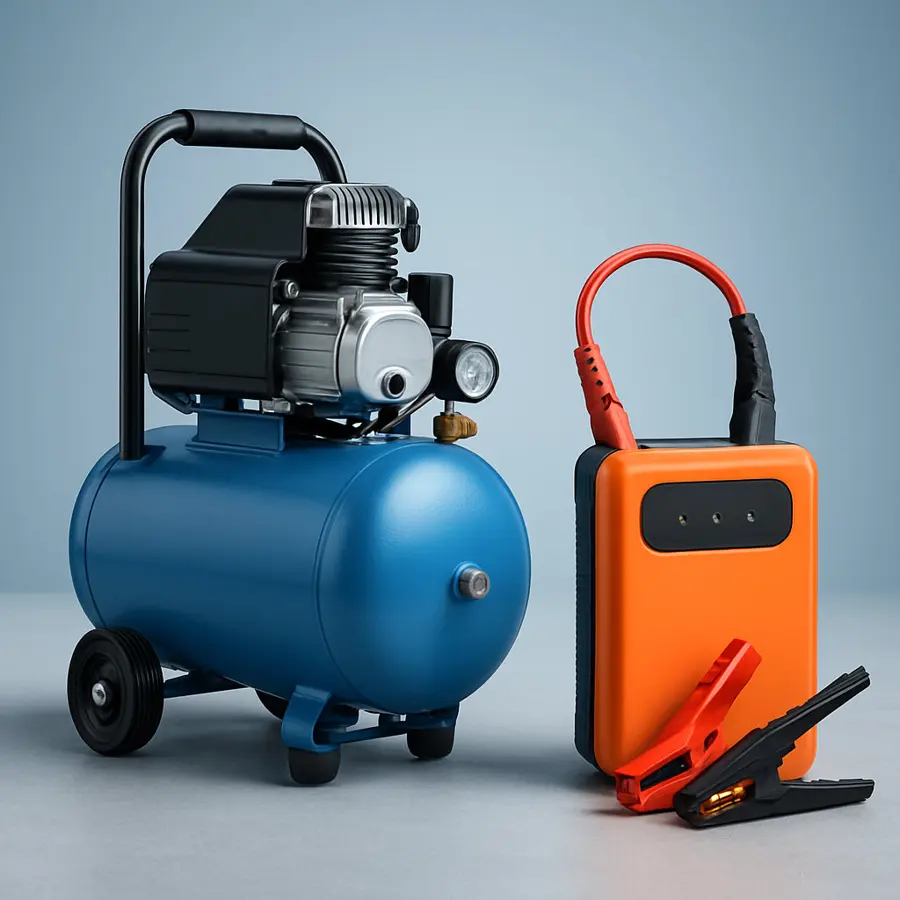
Air Compressors vs. Jump Starters: A Detailed Comparison Guide for Smart Automotive Buyers
In today’s fast-paced world, unexpected automotive challenges can put a damper on any journey. Whether you’re facing a flat tire on a deserted road or a dead battery on a chilly morning, preparation is key to keeping your adventures on track. Among the essential tools every driver should consider, Air Compressors and Jump Starters have emerged as must-have devices within any well-prepared vehicle toolkit. But which one is the right investment for you? Should you opt for an air compressor, a jump starter, or both? In this comprehensive post, we break down how each device works, examine the pros and cons, compare their practical uses, and guide you toward making the best purchasing decision for your specific automotive and lifestyle needs.
Table of Contents
- Introduction
- What Are Air Compressors?
- What Are Jump Starters?
- Air Compressors vs. Jump Starters: Key Differences
- Practical Use Cases
- Pros and Cons of Air Compressors
- Pros and Cons of Jump Starters
- Essential Features to Consider
- Choosing the Right Device: Which Is Best for You?
- The Rise of Combination Devices
- Maintenance and Safety Tips
- Conclusion
Understanding the Essentials: Why Every Driver Needs Reliable Tools
Imagine you’re on a road trip, miles away from the nearest gas station, when suddenly, your tire warning light appears or your car refuses to start. In moments like these, having the right tools at hand is more than a convenience—it’s a necessity. That’s where Air Compressors and Jump Starters come in, offering quick solutions for two of the most common vehicular dilemmas: under-inflated tires and dead batteries.
At first glance, both may seem like simple gadgets, but each device serves a unique and critical function. This guide will provide an in-depth look at each, offer practical insights, and help you identify the perfect tool (or combination) for your on-the-go lifestyle. Let’s unpack the features and advantages of both so you can upgrade your car toolkit with confidence.
What Are Air Compressors?
Air Compressors are mechanical devices that convert power into pressurized air, which is then used to inflate tires and operate a range of pneumatic tools. In the automotive world, portable air compressors are favored for their convenience and efficacy, especially for maintaining optimal tire pressure.
Types of Air Compressors for Automotive Use
- 12V Portable Compressors: These compact devices plug into your vehicle’s cigarette lighter or are powered by the car’s battery. Ideal for inflating car tires, motorcycle tires, and bicycle tires in emergencies.
- Battery-Operated Cordless Compressors: Offering greater flexibility, these units do not require a direct connection to your car, making them perfect for outdoor use or when your car’s battery is inaccessible.
- Heavy-Duty Compressors: Suited for trucks, SUVs, and RVs, these compressors can deliver higher air pressure and faster inflation times for larger wheels and off-road adventures.
Air compressors not only allow quick inflation in emergency situations but also enable you to regularly check and maintain tire pressure, contributing to safer driving and better fuel efficiency.
What Are Jump Starters?
Jump Starters are portable battery devices engineered to safely deliver the power needed to restart a vehicle with a depleted or dead battery. Replacing the traditional practice of jump-starting with another vehicle and heavy-duty cables, modern jump starters are compact, convenient, and powerful enough to bring cars, motorcycles, boats, or RVs back to life.
Types of Jump Starters
- Traditional Lead-Acid Jump Starters: Older models utilizing sealed lead-acid batteries. Heavier and bulkier but often provides more starting power for large engines.
- Lithium-Ion Jump Starters: Favored for their lightweight design and high efficiency. They provide enough power for most cars and feature safety enhancements, making them a popular choice for modern drivers.
Many jump starters also offer added functionalities such as USB charging, built-in LED flashlights, and even air compressor attachments, making them versatile additions to your car’s emergency equipment.
Air Compressors vs. Jump Starters: Key Differences
Though both devices enhance roadside readiness, their core functions, design, and usage scenarios differ significantly. Understanding these contrasts is crucial to making an informed choice.
Functionality Comparison
| Feature | Air Compressors | Jump Starters |
|---|---|---|
| Primary Purpose | Inflates tires and operates pneumatic tools | Starts vehicles with dead batteries |
| Power Source | Vehicle battery, wall outlet, or built-in rechargeable battery | Internal battery, charged via wall outlet or USB |
| Portability | Varies (from small portable to mid-size) | Typically compact and lightweight |
| Additional Features | Built-in pressure gauges, automatic shutoff | USB ports, LED lights, some include air compressors |
| Target Issues | Flat or under-inflated tires, inflatables | Dead car, boat, or motorcycle batteries |
Simply put, an air compressor will not help you start a car with a dead battery, and a jump starter cannot inflate your tires—unless you invest in a combination unit that features both capabilities.
Practical Use Cases: When to Use Each Device
When Air Compressors Shine
- Tire Maintenance and Repair: Under-inflated tires can reduce fuel efficiency, cause uneven tread wear, and increase the risk of blowouts. Air compressors are essential for regular tire checks and emergency re-inflation.
- Outdoor Activities: Inflating sports equipment, air mattresses, bike tires, or pool floats during outings or camping trips.
- Off-Road Adventures: For off-road enthusiasts, adjusting tire pressure based on terrain is crucial for grip and safety.
When Jump Starters Take the Spotlight
- Dead Batteries: Instantly jump-start a vehicle with a weak or dead battery, especially in cold weather or when lights are accidentally left on.
- Multi-Device Charging: Many modern jump starters can also recharge mobile phones, tablets, and cameras in emergencies.
- Helping Others: No need to rely on another vehicle; jump starters are perfect for assisting stranded drivers, boosting motorcycles, or even starting boats and RVs.
Whether you find yourself locked out due to low tire pressure or stranded because of a dead battery, both tools prove invaluable in their specific use cases.
Pros and Cons of Air Compressors
To make an educated purchase, weighing the strengths and limitations of Air Compressors is essential.
Advantages of Air Compressors
- Versatility: Inflate car, motorcycle, and bike tires, sports equipment, inflatable furniture, and more.
- Preventative Maintenance: Promotes tire longevity and better mileage by enabling routine pressure checks.
- Convenience: Avoid queues at gas stations and manage emergencies on your schedule.
- Compact Designs: Modern units are lightweight and easily stored in your trunk or glove compartment.
Drawbacks of Air Compressors
- Limited Use in Battery Emergencies: Cannot help start a dead vehicle battery.
- Power Source Dependency: If your car battery is entirely dead and your air compressor needs it for power, you’re out of luck—opt for battery-operated models if this is a concern.
- Inflation Speed Variables: Lower-end models may take longer to inflate larger tires or high-pressure equipment.
Pros and Cons of Jump Starters
Understanding the pros and cons of Jump Starters helps determine their value within your emergency kit.
Advantages of Jump Starters
- Immediate Power: Restart your vehicle in seconds, eliminating the need for another car and reducing downtime during emergencies.
- User-Friendly: Modern models include reverse polarity protection, spark-proof clamps, and intuitive instructions.
- Additional Features: USB ports for charging devices, built-in LED flashlights, and air compressor hybrids enhance versatility.
- Universal Compatibility: Suitable for cars, motorcycles, boats, snowmobiles, ATVs, and even some trucks.
Drawbacks of Jump Starters
- No Tire Inflation Capability: Jump starters cannot address under-inflated tires unless combined with an air compressor.
- Regular Charging Required: To ensure readiness, the internal battery must be charged periodically. Neglecting this step can leave the device unusable when needed most.
- Battery Capacity Variability: Some pocket-sized units may lack the powerful output needed for larger engines (e.g., trucks or V8s). Be sure to match the device’s rating with your vehicle requirements.
Essential Features to Consider Before You Buy
Before finalizing your purchase, keep these criteria in mind to select the most suitable and reliable device for your needs.
Features for Air Compressors
- Maximum PSI: Ensure the unit’s pressure capability meets or exceeds your vehicle’s tire requirements.
- Auto Shut-Off: Prevents over-inflation by stopping automatically at pre-set pressures.
- Power Supply Options: Consider whether the unit is powered via your car’s 12V outlet, wall plug, or internal battery.
- Size and Portability: Compact designs are ideal for routine use and emergency storage.
- Accessories: Nozzle adapters for sports balls, mattresses, and other inflatables extends utility beyond automotive needs.
Features for Jump Starters
- Cranking Amps and Peak Amps: Match the amperage rating to your engine size and type—larger vehicles need higher amps.
- Battery Capacity (mAh): Higher capacities offer more jump starts per charge and extra device-charging capability.
- Safety Protections: Look for features like short-circuit, over-voltage, and reverse polarity protection.
- Multi-Functionality: Bonus features like USB charging, floodlights, and integrated air compressors add even more value.
- Portability and Storage Case: Compactness with a rugged carrying case ensures ease of storage and on-road protection.
Choosing the Right Device: Which Is Best for You?
Select the device that aligns best with your driving habits, vehicle type, and climate:
- Frequent Long-Distance Drivers: Consider having both an air compressor and a jump starter for maximum preparedness.
- Urban Commuters: If you live in a city with reliable roadside assistance, a jump starter may be more crucial due to battery-draining stop-and-go traffic.
- Off-Road and Adventure Seekers: Air compressors are indispensable for regular tire adjustments, while jump starters offer peace of mind far from civilization.
- Multi-Vehicle Owners: For homes with varied automotive needs (cars, motorcycles, boats), investing in versatile, high-capacity jump starters and multi-adapter air compressors is prudent.
- For Limited Storage Space: Combination units may deliver the best of both worlds without overcrowding your trunk.
The Rise of Combination Devices: Two Solutions in One
Increasingly, manufacturers are offering hybrid units that combine Air Compressors and Jump Starters into a single device. These combination tools can be a game-changer for drivers who want a comprehensive emergency kit while maintaining minimal cargo space.
Key Benefits of Combination Devices
- Space-Saving: Store one compact device instead of two.
- Cost Efficiency: Buy one hybrid device instead of separate purchases.
- All-in-One Functionality: Simultaneously address two of the most common roadside emergencies without compromise.
When evaluating these hybrid models, ensure that both functionalities meet your specific requirements—for example, make sure the air compressor can deliver adequate PSI for your vehicle and the jump starter provides enough cranking amps to cover your engine specs.
Maintenance and Safety Tips for Optimal Performance
Best Practices for Air Compressors
- Always check the connections and hoses for leaks before use.
- Store the compressor in a cool, dry place when not in use.
- For internal battery models, recharge after each use and at least once every three months.
- Ensure the compressor is turned off before connecting or disconnecting from your vehicle.
Best Practices for Jump Starters
- Fully charge the device upon purchase and keep it charged according to manufacturer guidelines.
- Test the jump starter periodically to ensure battery health.
- Store the device in its protective case to minimize exposure to moisture or direct sunlight.
- Use only the provided clamps and cables, avoiding third-party accessories that may not support safety features.
Routine checks and careful storage will help extend the lifespan of both tools and ensure they’ll perform effectively when needed most.
Conclusion: Elevate Your Automotive Preparedness
In the evolving landscape of automotive care, few investments offer as much peace of mind as having reliable Air Compressors and Jump Starters in your vehicle. While each device excels at addressing specific emergencies—such as under-inflated tires or dead batteries—their combined presence in your trunk significantly minimizes the risks of being stranded or experiencing avoidable delays.
When choosing between air compressors and jump starters, or when selecting a combination unit, consider your driving habits, your local climate, and the types of vehicles in your household. Check for essential features and emphasize safety in your purchase decisions, so you’re always ready for life’s surprises on the road.
Ready to upgrade your roadside toolkit? Explore our curated selection of premium Air Compressors and Jump Starters in our online store, and embark on every journey with confidence. Don’t wait until the next emergency—empower yourself with the right tools today!
If you have questions or need personalized recommendations, our expert team is always here to help. Safe travels!