10 Best Air Compressors for Professionals
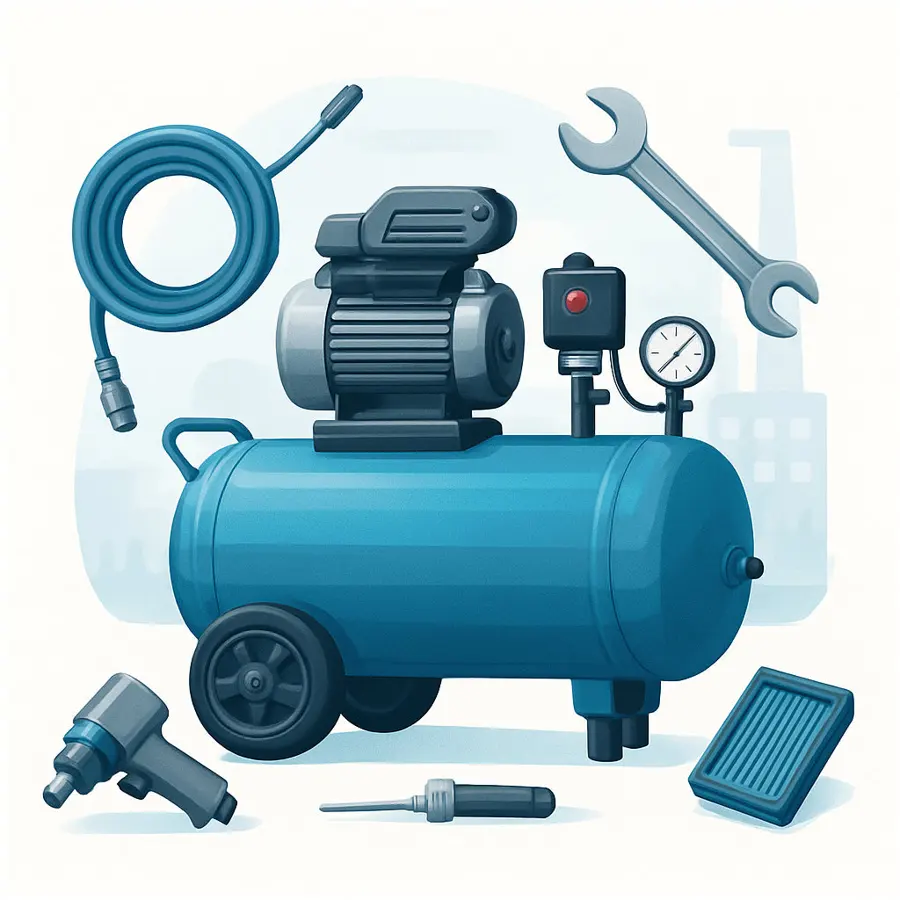
The Top 10 Essential Uses of Air Compressors Across Industries
Air Compressors have established themselves as indispensable tools across a multitude of industries, offering versatile solutions in manufacturing, construction, automotive, and even home applications. Whether you're a business owner seeking to improve workflow or a homeowner embarking on DIY projects, understanding the vast capabilities of air compressors is vital. In this comprehensive listicle, we break down the top ten essential uses of air compressors, showcasing their crucial role in modern applications and providing valuable insights for those looking to harness their full potential.
1. Powering Pneumatic Tools
Perhaps the most widespread and recognizable use of Air Compressors is providing power to pneumatic tools. These tools—ranging from nail guns and impact wrenches to sanders and drills—rely on a consistent air supply for efficient and reliable operation. Pneumatic tools are favored in industrial settings for their power-to-weight ratio and durability, which often surpasses that of electric tools. This makes them invaluable assets in sectors like automotive repair, woodworking, and heavy manufacturing.
2. Spray Painting and Coating Solutions
Consistency is key when it comes to spray painting, whether for automotive finishes, furniture, or industrial coatings. Air compressors create smooth, high-pressure airflow for paint sprayers, ensuring even application and professional-grade results. By using compressed air, painters can achieve faster coverage, finer details, and superior finishes. This application spans across automotive body shops, furniture manufacturers, and even artists working on large-scale projects.
3. Industrial Automation and Manufacturing
Modern manufacturing facilities utilize air compressors to automate essential processes on assembly lines. Compressed air powers cylinders, actuators, conveyors, and robotic arms, driving efficiency and repeatability in production. The reliability and speed of pneumatic systems enable manufacturers to maintain quality standards, reduce labor costs, and streamline workflows. Air compressors are often the backbone of lean manufacturing environments, contributing directly to consistent output and productivity.
4. Inflating Tires and Sports Equipment
One of the most familiar uses of air compressors is inflating vehicle tires, bicycle tubes, and a variety of sports equipment. From car repair shops and gas stations to school gyms and home garages, air compressors provide a straightforward way to maintain proper inflation, critical for safety, performance, and energy efficiency. Many portable air compressors are designed specifically for convenient on-the-go inflation, making them an essential tool for drivers and cyclists alike.
5. Cleaning and Maintenance Applications
Compressed air is highly effective for cleaning dust, debris, and particulates from machinery, electronic equipment, and workspaces. Blowing out clogged filters, computer keyboards, or fine machine parts ensures equipment operates smoothly and extends its lifespan. Industrial facilities routinely rely on air compressors for scheduled cleaning and preventative maintenance, helping to reduce downtime and maintenance costs while promoting safety and efficiency.
6. HVAC System Operations
Heating, Ventilation, and Air Conditioning (HVAC) systems depend on air compressors for both servicing and operational purposes. Technicians use air compressors when cleaning ductwork, pressure-testing refrigerant lines, and assisting in the installation or repair of critical HVAC components. In larger systems, such as those found in office buildings or industrial complexes, dedicated air compressors are integral to maintaining optimal airflow and system performance.
7. Agriculture and Farming Solutions
Air compressors play an important supporting role in agriculture, powering irrigation systems, crop sprayers, dairy machines, and pneumatic seeders. Farmers utilize these systems for efficient and cost-effective operations, from cleaning barn equipment to automating feeding and watering solutions. The adaptability and power of air compressors contribute to higher productivity and improved animal care on modern farms.
8. Construction and Building Projects
On construction sites, the versatility of air compressors is unmatched. Contractors use compressed air to operate jackhammers, compactors, and concrete vibrators which are essential for building strong foundations and structures. Time-critical tasks such as framing, finishing, and demolition all benefit from the reliability and mobility of portable air compressors, reducing manual labor and accelerating project timelines.
9. Energy Sector Applications
The oil, gas, and mining industries require rugged, high-performance air compressors for site operations. Tasks such as drilling, bolting, wellhead control, and tool cleaning are all powered by compressed air. In remote environments where electric power may be limited or unstable, air compressors provide a dependable source of energy, enabling critical processes and ensuring worker safety in demanding conditions.
10. Home Improvement and Hobbyist Projects
DIY enthusiasts and hobbyists have discovered the remarkable benefits of air compressors for a range of home improvement tasks. From powering airbrushes for model painting to stapling insulation and inflating mattresses, compressed air streamlines everyday chores and creative projects. The growing selection of compact, user-friendly air compressors on the market enables homeowners to elevate their craftsmanship and maintain household items with professional-grade tools.
What to Consider When Purchasing Air Compressors
Selecting the right air compressor hinges on several critical factors, including intended application, required pressure (psi), air flow rate (CFM), tank size, mobility, noise output, and energy source (electric vs. gas). Industrial users may prioritize high-capacity, stationary compressors, while home users may opt for lightweight, portable units. Always consider the specifications of the pneumatic tools or equipment you plan to operate, ensuring compatibility and optimal performance from your chosen model.
Tips for Safe and Efficient Usage
- Read the Manual: Familiarize yourself with the specific operating and maintenance guidelines provided by the air compressor manufacturer.
- Perform Regular Maintenance: Check for leaks, drain moisture from the tank, and keep filters clean to maximize efficiency and longevity.
- Monitor Pressure Settings: Adjust the regulator to match tool requirements and prevent over-pressurization.
- Match ventilation to the power source: Follow the compressor manual for motor cooling. Never operate an engine-driven compressor in a garage, carport, or enclosed or partly enclosed area—even with doors or windows open; keep the engine outdoors and away from openings and air intakes, per CDC/NIOSH guidance.
- Invest in Safety Accessories: Use protective eyewear and hearing protection during prolonged use, especially in industrial environments.
Conclusion: Harness the Power of Air Compressors
Air Compressors are foundational tools that drive innovation, productivity, and convenience across industries and in homes. Their adaptability empowers users to tackle complex projects with efficiency, whether it's maintaining safe tire pressure, optimizing industrial production lines, or enhancing creative pursuits. When selecting an air compressor for your needs, consider the unique requirements of your applications and invest in reliable equipment. Explore our comprehensive range of air compressors today to elevate your operations, projects, and everyday efficiency.
Ready to upgrade your toolkit? Browse our selection of premium air compressors and discover the right solution for your workshop, business, or home. For personalized recommendations, our expert team is here to help—contact us today and experience the difference that the right air compressor can make.